
Key Takeaways
- A specialized veteran recovery center integrates trauma-informed care with substance dependency treatment.
- Look for non-hospital medical detox environments that offer a home-like setting for better comfort and safety.
- Evidence-based treatments like Medication-Assisted Treatment (MAT), Partial Hospitalization Programs (PHP), and Intensive Outpatient Programs (IOP) are essential for long-term success.
- Assess your specific treatment needs, including co-occurring mental health conditions.
- Verify the credentials, accreditations, and quality of the facility.
- Evaluate the integrated care models provided by the treatment team.
- Review the program’s measured outcomes and long-term aftercare support.
By following these steps, you will successfully identify a comprehensive treatment program that honors your service and supports lasting, measurable recovery.
Step 1: Assess Your Treatment Needs at a Veteran Recovery Center
Identifying Co-Occurring Conditions
When you begin evaluating your needs at a veteran recovery center, one of the most important first steps is to identify any co-occurring conditions. These are situations where more than one issue—such as substance use and a mental health disorder—are happening at the same time. For veterans, this often means facing both addiction and challenges like depression, anxiety, or PTSD.
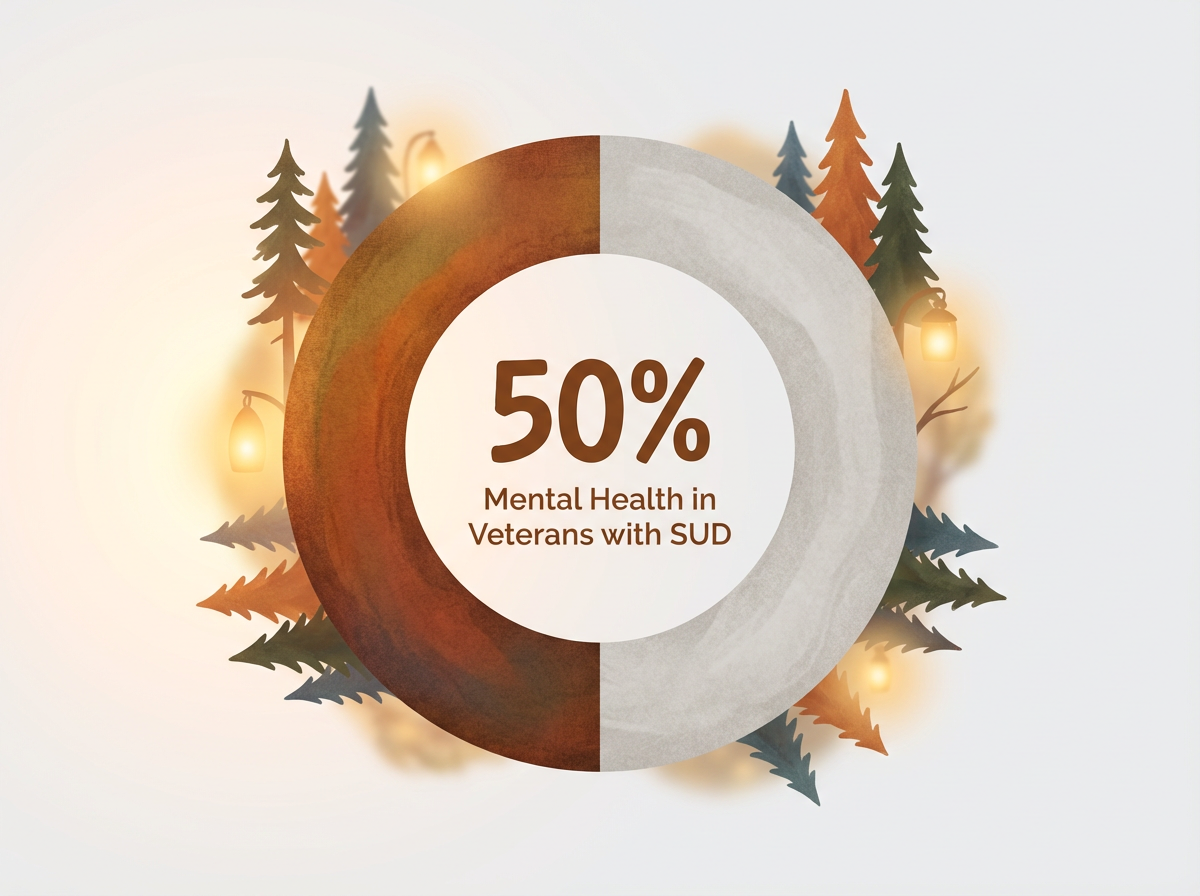
Recognizing co-occurring conditions isn’t just a box to check—it’s the key to making sure treatment is effective and addresses the whole person, not just the symptoms on the surface. Research shows that about half of veterans seeking substance use treatment also have a diagnosed mental health condition.4 This is a huge number, and it means that integrated care—where substance use and mental health are treated together—is no longer a luxury, but an absolute necessity.
If you’re unsure whether you or a colleague might have co-occurring conditions, common signs can include feeling persistently down, struggling with daily responsibilities, increased irritability, or using substances to cope with emotional pain. Honest self-assessment, or a professional screening, helps clarify what’s going on beneath the surface. At Pacific Crest Trail Detox (PCTD) in Milwaukie, Oregon, we provide a home-like residential environment rather than a clinical hospital setting. This makes assessing and treating co-occurring conditions feel safe, welcoming, and deeply supportive.
Here’s a quick reference to highlight key co-occurring conditions veterans often face:
| Condition Type | Common Examples |
|---|---|
| Mental Health Disorders | PTSD, depression, anxiety |
| Substance Use Disorders | Alcohol, opioids, stimulants |
| Physical Health Complications | Chronic pain, sleep problems |
Acknowledging these overlapping needs is a sign of immense strength, not weakness. Every step you take to understand your own experience brings you closer to lasting change. Next, we’ll dig deeper into how service-related trauma plays a role in shaping recovery journeys.
Understanding Service-Related Trauma
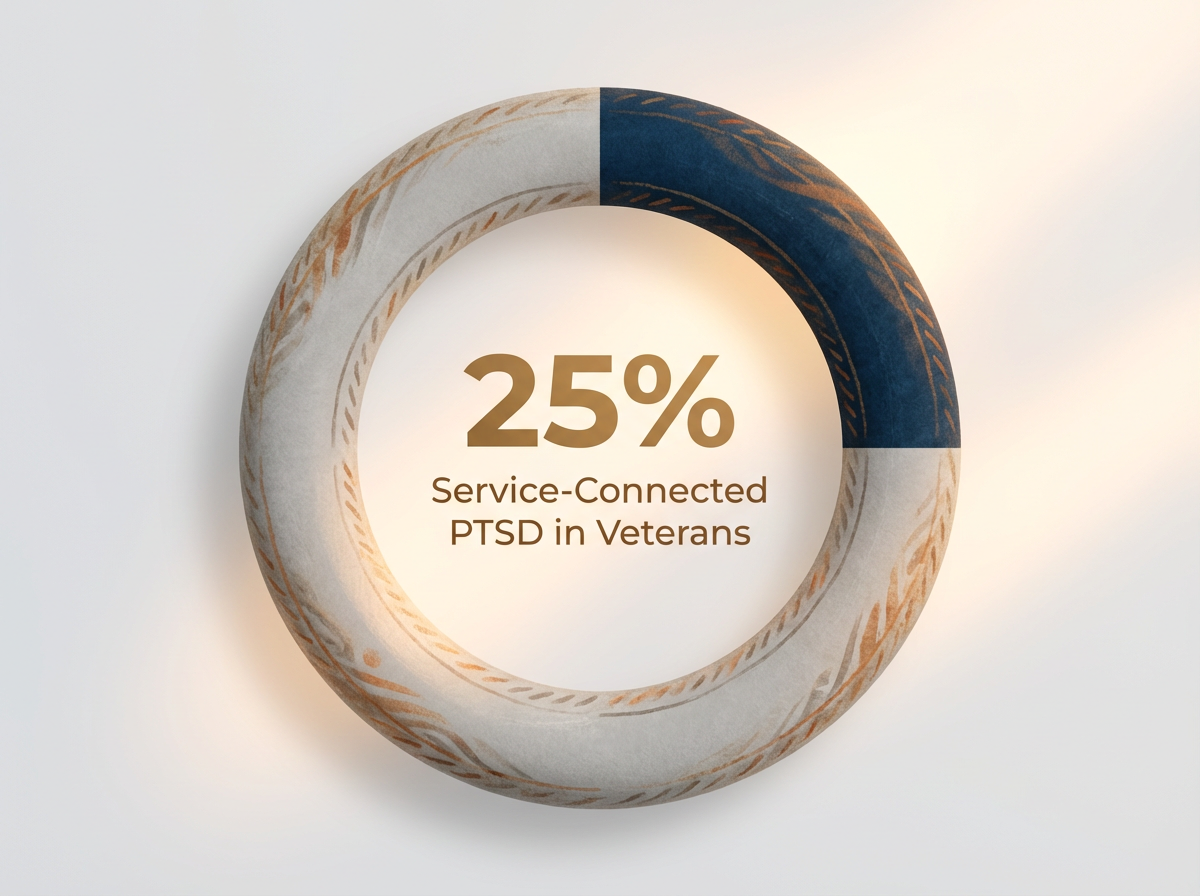
Understanding how service-related trauma shapes recovery is crucial when evaluating your needs. Trauma from military service doesn’t just fade with time—it can leave lasting emotional and physical imprints. You may see this in the form of nightmares, hypervigilance, or sudden mood shifts. About 1 in 4 veterans experience service-connected PTSD, making it one of the most common mental health challenges among those who have served.3
These symptoms can influence everything from sleep patterns to trust in others, and they often play a significant role in substance use as a way to cope. It’s important to remember that trauma responses are not signs of weakness. They are natural reactions to extraordinary stress. In fact, veterans face a suicide risk 1.5 times higher than non-veterans, highlighting how deeply trauma can impact overall well-being.2
“Addressing trauma alongside substance use is not just best practice—it’s lifesaving. Recovery centers that specialize in trauma-informed care recognize the need for safety, respect, and control in every step of the treatment journey.”
This means creating environments that feel home-like and employing staff who truly understand what military experiences can bring up. When you assess recovery options, look for programs that offer evidence-based trauma therapies like Cognitive Processing Therapy or Prolonged Exposure. These approaches have been shown to support both PTSD and substance recovery in veterans.3
Every step you take to acknowledge your service-related experiences is a massive win. You deserve care that honors your story and supports your long-term healing. Next, we’ll explore how to verify the credentials and quality standards of different recovery centers.
Step 2: Verify Credentials and Quality
Accreditation Standards That Matter
When verifying the quality of any veteran recovery center, start by checking for recognized accreditation. Accreditation signals that a facility meets strict standards for safety, care, and continuous improvement. For veteran-focused programs, two major accreditations stand out: CARF (Commission on Accreditation of Rehabilitation Facilities) and The Joint Commission. Facilities with these credentials show commitment to evidence-based practices, solid staff qualifications, and client rights protection.8, 9
Why does this matter? Accredited recovery centers are regularly reviewed and held to high standards. This means you, or those you support, are more likely to experience a safe environment, ethical care, and treatment that adapts to current research. Especially for veterans dealing with co-occurring PTSD or substance use, these standards help ensure trauma-informed and culturally-competent care is available—not just promised on paper. You can easily check a facility’s website for these credentials; simply press Ctrl + F (or Cmd + F on a Mac) and type “accreditation” to find this information quickly.
Here’s a quick comparison of the two main accreditation bodies:
| Accreditation Body | What It Ensures | Focus Areas |
|---|---|---|
| CARF | Evidence-based care, outcomes tracking, equity | Rehab, behavioral health, veterans |
| The Joint Commission | Medical safety, clinical excellence, emergency readiness | Medical detox, clinical programs |
Remember, seeking out accredited programs is a win for everyone involved—it’s a direct way to advocate for better outcomes and lasting recovery.8, 9 Next, let’s look at how to evaluate the treatment approaches used in these centers.
Evidence-Based Treatment Modalities
When evaluating a veteran recovery center, evidence-based treatment modalities should be at the heart of your quality assessment. These approaches are tested, data-driven, and proven effective for veterans facing both substance use and service-related trauma. Look for programs that combine medical detoxification, behavioral therapies, and ongoing support. Cognitive Behavioral Therapy (CBT), Cognitive Processing Therapy (CPT), and Prolonged Exposure are standout options, especially for those managing PTSD alongside addiction.3, 7
Medication-assisted treatment (MAT) is increasingly recognized as a gold-standard intervention when combined with therapy—not as a standalone solution but as a supportive tool for long-term stability.2 At PCTD, our non-hospital medical detox and MAT programs are specifically designed to safely manage withdrawal, particularly for high-risk cases involving alcohol, opioids, or benzodiazepines.
For many veterans, the inclusion of peer support groups and trauma-informed care makes a measurable difference in engagement and outcomes. Research shows that programs integrating medical supervision, mental health care, and peer support improve recovery rates by 40-60% compared to detox alone.4 This validates the importance of choosing centers that offer a full continuum of care—addressing not just substance use, but also the underlying trauma and mental health needs unique to veterans.
Here’s a quick comparison of key evidence-based modalities commonly offered at leading centers:
| Treatment Modality | Primary Focus | Best For |
|---|---|---|
| Cognitive Behavioral Therapy (CBT) | Changing unhelpful behaviors/thoughts | Anxiety, depression, substance use |
| Cognitive Processing Therapy (CPT) | Processing trauma memories | PTSD, trauma, substance use |
| Medication-Assisted Treatment (MAT) | Managing withdrawal/cravings | Opioid/alcohol use disorder |
Every step you take toward informed treatment choices builds momentum in your recovery journey. Next, we’ll dig into integrated care models that bring these modalities together for maximum impact.
Step 3: Evaluate Integrated Care Models at a Veteran Recovery Center
Building on your assessment of program credentials and treatment approaches, the next critical factor is how well different treatment components work together. You know from experience—whether your own or from fellow service members—that trauma and substance use don’t operate independently. Integrated care models reflect this reality by coordinating mental health and addiction treatment as a unified strategy rather than parallel tracks that never quite connect.
Effective integrated care means your trauma therapist and MAT provider are actively collaborating, not just coexisting under the same roof. For example, when you’re working through PTSD symptoms using Cognitive Processing Therapy or EMDR, your prescriber should be adjusting medication protocols based on what’s emerging in those sessions. Similarly, if you’re stabilizing on buprenorphine or naltrexone, your therapist needs real-time insight into how medication changes are affecting your ability to engage with trauma work.
What does a full continuum of care look like?
A full continuum of care means you are supported at every stage of recovery. It typically starts with sub-acute medical detox to safely manage withdrawal. From there, you transition into a Partial Hospitalization Program (PHP) for intensive daily support, followed by an Intensive Outpatient Program (IOP), and finally, standard outpatient care and alumni services. This seamless transition prevents gaps in treatment and drastically improves long-term success.
This coordination prevents the common scenario where gains in one area get undermined by blind spots in another. Research backs this approach: veterans receiving integrated treatment for co-occurring PTSD and substance use disorders show 60% better retention rates compared to sequential treatment models. That’s not surprising—addressing interconnected issues simultaneously simply makes clinical sense.
At Pacific Crest Trail Detox, this integration spans our full continuum from medical detox through outpatient services. Your treatment team communicates daily, working from a unified care plan that evolves as you move from medical stabilization through PHP and IOP to outpatient care. You’re not re-establishing rapport or re-explaining your service history at each transition. We even utilize ERPHealth software to track statistically-significant treatment results, ensuring your care is always moving in the right direction.
Quality integrated programs also leverage military culture as a recovery asset rather than treating it as background information. Our veteran-specific programming recognizes that values like mission focus, accountability, and unit cohesion—the same principles that sustained you in service—can anchor sustainable recovery when properly channeled. Group sessions with other veterans create that familiar sense of shared purpose and mutual support, while individual therapy addresses your unique experiences without constant translation of military context.
The practical test of integration is simple: does everyone on your treatment team know what everyone else is doing, and does that coordination tangibly improve your outcomes? When your medical team managing detox protocols, your therapist addressing trauma, and your case manager coordinating aftercare are genuinely aligned, you’ll feel the difference. That’s the foundation for addressing complex, intertwined challenges effectively.
Step 4: Review Outcomes and Aftercare
Measured Treatment Success Rates
When you’re reviewing a veteran recovery center, measured success rates matter—because outcomes are the real proof of impact. As a professional who understands the value of data-driven care, you know that recovery is not just about completing detox or therapy sessions. It’s about sustained progress, fewer relapses, and restored quality of life over time.
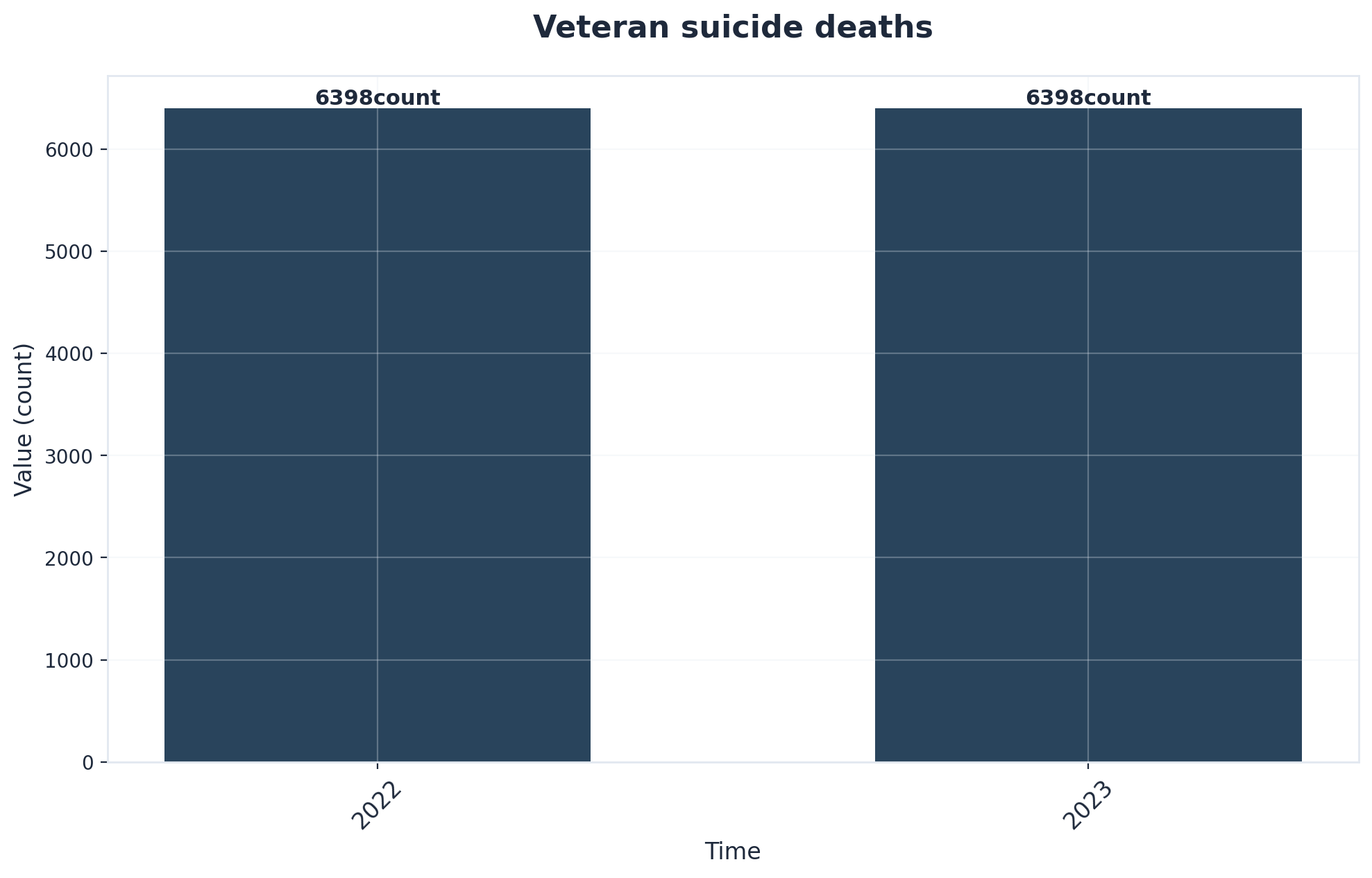
Research shows that when medical detox, behavioral therapies, and peer support are combined, recovery rates for veterans increase by 40-60% compared to detox alone—a powerful reminder that integrated, veteran-sensitive treatment works.4 A strong veteran recovery center will track and publish its outcomes using clear metrics. These may include rates of program completion, reductions in substance use, improvements in mental health symptoms, and follow-up recovery at 6 or 12 months.
Centers that use evidence-based tracking tools help ensure you’re not just hoping for results—you’re seeing them. At PCTD, we differentiate ourselves through measured outcomes using ERPHealth software to track your progress objectively. Here’s a brief comparison of outcome measures you might encounter:
| Outcome Measure | Why It Matters |
|---|---|
| Program Completion Rate | Gauges engagement and retention |
| 6/12-Month Sobriety | Shows long-term recovery |
| Symptom Reduction | Tracks mental health gains |
Every success—no matter how small—is a step forward. Focusing on measured outcomes helps you champion real, lasting change for those you serve. Next, let’s take a closer look at the systems in place for ongoing support after treatment ends.
Long-Term Recovery Support Systems
Long-term recovery isn’t just about making it through treatment—it’s about having the right supports in place for months and years after. At a veteran recovery center, aftercare is treated as a core part of the journey, not just an add-on. You know that for veterans, ongoing support must be tailored to address both substance use and the impact of military service.
This means regular check-ins, peer mentorship, access to support groups, and continued therapy options—each one helping to reinforce healthy habits and prevent setbacks. One of the most effective approaches is a structured aftercare program that includes both clinical oversight and peer-driven support. Research shows that veterans who engage in follow-up care maintain recovery rates of 60-70%, compared to only 8% for those without such support.5
The difference is significant: structured aftercare isn’t just a safety net—it’s a springboard for real, lasting change. Detox without follow-up care has only an 8% success rate, which is why our continuum of care at PCTD flows seamlessly into standard outpatient programs and robust alumni services. Veterans often benefit from programs that provide alumni connections, relapse prevention education, and flexible telehealth options, especially for those living far from specialized care.
| Aftercare Element | Why It Matters |
|---|---|
| Peer Support Groups | Reduces isolation, offers shared experience |
| Regular Check-Ins | Identifies issues early, maintains accountability |
| Alumni Programming | Builds connection, celebrates progress |
| Telehealth Access | Expands reach, supports rural veterans |
Every effort to create a supportive network pays off. Next, we’ll help you guide veterans in taking the next step toward a recovery plan that truly lasts.
Frequently Asked Questions
What if I’m struggling with both PTSD and substance use—should I address one before the other?
If you’re grappling with both PTSD and substance use, you don’t need to choose which to address first—treating them together is the gold standard. Research shows that about half of veterans in substance use treatment also have a mental health condition, so integrated care is not just helpful, it’s essential 4. At a veteran recovery center, trauma and addiction are treated as connected issues, not separate problems. This approach recognizes that PTSD symptoms often drive substance use, while substance use can worsen trauma symptoms. By working with a team that understands both, you’ll get support that honors your full experience and helps you heal on all fronts. Every bit of progress matters, and taking this step is a sign of strength—not failure.
How do I know if medication-assisted treatment is right for my situation?
Medication-assisted treatment (MAT) can be a powerful support in your recovery, especially when it’s paired with therapy and ongoing monitoring. It’s not a one-size-fits-all answer—MAT is most effective for opioid or alcohol use disorders and is often recommended when withdrawal symptoms or cravings pose a barrier to progress. If you’re considering MAT at a veteran recovery center, ask about how medications are integrated with counseling and peer support, since research shows this combined approach leads to better outcomes than medication or therapy alone 2. Your comfort level, health history, and recovery goals all matter, so open discussion with your care team is key. Remember, choosing MAT is about building a foundation for long-term stability—not giving up control over your recovery.
What happens if my insurance doesn’t cover veteran-specific treatment programs?
If your insurance doesn’t cover veteran-specific treatment programs, don’t lose hope. Many veteran recovery centers work with a range of funding options, including sliding scale fees, payment plans, and scholarships supported by charitable organizations. You can also turn to resources like the SAMHSA National Helpline, which connects veterans to local and national programs that may offer financial assistance or alternate funding pathways 1. While the process can feel frustrating, reaching out to multiple recovery centers often uncovers flexible solutions. Remember, you’re not alone—help is available, and every step you take to explore your options brings you closer to the support you deserve.
Can I access quality care if I live in a rural area far from specialized centers?
Yes, you can access quality care even if you live in a rural area far from a specialized veteran recovery center. Telehealth services have expanded in recent years, making it possible to connect with addiction and mental health professionals remotely. Many recovery centers now offer virtual therapy, medication management, and peer support groups designed specifically for veterans, so distance doesn’t have to be a barrier 3. Regular telehealth check-ins can help keep your care on track and provide support between in-person visits. Every effort you make to reach out—whether online or over the phone—counts as real progress in your recovery journey.
How long should I expect to stay in a recovery program to see real results?
The length of stay at a veteran recovery center depends on your unique needs, but most evidence-based programs recommend at least 90 days of structured treatment to see real, lasting results 7. Some veterans benefit from even longer support, especially when facing co-occurring PTSD or chronic substance use. Research consistently shows that outcomes improve with extended engagement—those who complete full programs and follow-up care are more likely to maintain sobriety and mental health gains 5. Shorter stays might offer a good start, but the real progress happens when you commit to ongoing therapy, peer support, and aftercare. Every week of active participation helps build the habits and connections that support lasting recovery. Your timeline is personal, and every step you take matters.
What if I’ve tried treatment before and it didn’t work—is it worth trying again?
If you’ve tried treatment before and it didn’t lead to lasting change, don’t count yourself out—many veterans succeed after multiple attempts. Recovery is rarely a straight line, especially when both trauma and substance use are in play. Research shows that recovery rates rise by 40-60% when veterans receive integrated care that addresses mental health, addiction, and peer support together 4. Every attempt is a step closer to finding the right fit. A veteran recovery center now might offer new therapies, trauma-informed approaches, or peer-driven support that weren’t available to you before. Your experience is valid, and every effort you make deserves recognition. Progress happens at your own pace, and trying again is a real sign of resilience.
Taking the Next Step in Your Recovery
The decision to seek specialized care for both substance dependency and service-related trauma is one of the most courageous steps you can take. You’ve carefully evaluated what comprehensive treatment should look like—now it’s about finding a program that delivers on those standards. Every step forward counts, and you are doing an incredible job by researching your options.
Pacific Crest Trail Detox was built specifically to provide the kind of integrated care veterans need. We start with medical detox that creates a safe foundation for recovery, then continue that support through our full continuum: partial hospitalization (PHP), intensive outpatient (IOP), and standard outpatient programs. This isn’t just about getting through withdrawal—it’s about building sustainable recovery with the ongoing structure and community connection that makes lasting change possible.
Our veteran-specialized programming recognizes that service-related trauma and substance dependency aren’t separate issues—they’re deeply connected and need to be treated together. We combine medical supervision with evidence-based therapy designed specifically for co-occurring disorders, because we know that addressing one without the other doesn’t lead to real healing. You’ll work with clinicians who understand military culture and the unique challenges you’re facing, whether you are a veteran, a professional, or part of the LGBTQ+ community.
If you’re ready to explore whether PCTD is the right fit, we offer free consultations where you can discuss your specific situation, ask detailed questions about our approach, and get a genuine sense of how we work. We accept most insurance and can help you understand your coverage options during that conversation.
Your service required extraordinary courage and commitment. Your recovery deserves that same dedication—and the specialized support that honors both your sacrifice and your path forward. You’ve already taken the hardest step by deciding to seek help. Let’s talk about what comes next, because you absolutely have what it takes to reclaim your life.
References
- SAMHSA National Helpline – Find Help. https://www.samhsa.gov/find-help/national-helpline
- VA Substance Use Disorder Treatment – Veterans Health Administration. https://www.va.gov/health/substance-use-disorders/
- VA PTSD & Trauma – Veterans Health Administration. https://www.va.gov/MENTAL_HEALTH/PTSD/
- NAMI: Veterans with Co-Occurring Disorders. https://www.nami.org/Blogs/NAMI-Blog/October-2023/Veterans-with-Co-Occurring-Disorders-What-You-Need
- SAMHSA National Survey on Drug Use and Health (NSDUH) 2022 Results. https://www.samhsa.gov/data/sites/default/files/reports/rpt35328/NSDUHresults2022.pdf
- National Institute of Mental Health – Substance Use and Mental Illness. https://www.nimh.nih.gov/health/topics/substance-use-and-mental-illness
- National Institute on Drug Abuse – Principles of Drug Addiction Treatment. https://www.nida.nih.gov/publications/principles-drug-addiction-treatment-research-based-guide
- Commission on Accreditation of Rehabilitation Facilities (CARF). https://www.carf.org/
- The Joint Commission – Quality and Safety in Healthcare. https://www.jointcommission.org/
- NCBI/PubMed Central – Veteran Substance Use Disorder Treatment Outcomes. https://www.ncbi.nlm.nih.gov/pmc/articles/PMC9332267/