

Key Takeaways
- Assessment Scoring Guide: Evaluate your withdrawal severity to determine if you need medical detox (score > 7 on standard clinical scales) or standard outpatient care.
- Top 3 Success Factors: 1) Medically supervised detox (reduces acute risks significantly), 2) Minimum 12-week program engagement (boosts success to 60%), 3) Integrated co-occurring mental health treatment.
- Immediate Next Action: Verify your insurance coverage and schedule a clinical assessment to establish your baseline dopamine depletion and personalized treatment needs.
Understanding Meth Withdrawal Treatment
When you begin meth withdrawal treatment, understanding the neurochemical baseline is your first operational priority. As a professional, you already know that addressing complex problems requires a clear view of the underlying mechanics. Methamphetamine fundamentally alters your brain’s reward pathways, and the withdrawal phase is simply your body’s rigorous process of recalibrating those systems.
How Your Brain Responds During Withdrawal
Checklist: Signs Your Brain Is Adjusting to Meth Withdrawal
- Sudden mood swings and irritability
- Intense cravings, even when you’re determined to quit
- Trouble feeling pleasure or motivation (anhedonia)
- Problems with sleep and energy
- Foggy thinking or trouble concentrating
When you stop using methamphetamine, your brain is thrown off balance. Meth causes the brain to release far more dopamine—the chemical linked to pleasure and reward—than you’d ever experience naturally. During withdrawal, your brain is left with very low dopamine levels, which is why you might feel hopeless, empty, or unable to enjoy things you used to love. This loss of pleasure is called anhedonia, and it’s one of the toughest symptoms to push through2, 7.
Alongside low mood, your brain struggles to regulate motivation, focus, and even sleep. Fatigue, depression, and anxiety are common, and these symptoms can last for weeks or even months as your brain slowly recalibrates2. Yes, this is challenging, and that’s okay—every step you take to get through these changes is a massive win for your long-term health.
Treatment works best when it includes both medical support and therapy, helping your brain heal while you learn new ways to cope4. Many professionals find that acknowledging these biological brain changes makes it easier to be patient with themselves during recovery. Next, you’ll get a clear picture of the timeline and symptoms you can expect as withdrawal unfolds.
Timeline and Symptoms You’ll Experience
Quick Assessment: Meth Withdrawal Timeline
| Phase | Timeframe | Clinical Presentation |
|---|---|---|
| Acute Crash | Day 1-3 | Fatigue, depression, and increased appetite begin. |
| Peak Withdrawal | Day 4-7 | Symptoms peak—strong cravings, sleep issues, anxiety. |
| Sub-Acute | Week 2+ | Mood swings, low motivation, and anhedonia can linger. |
| Protracted | Weeks 3-6 | Gradual improvement, but emotional ups and downs remain common. |
Understanding what’s ahead can help you keep perspective—and remind you that tough days are temporary. Symptoms usually start within 24 hours of last use. In the first week, you’ll likely face exhaustion, low mood, and intense cravings. Many people report sleeping much more than usual, sometimes 12 or more hours a night, as the body recovers2, 7.
By the end of week one, physical symptoms begin to fade, but emotional and cognitive challenges—like anxiety, depression, and brain fog—can persist for weeks or even months. This stage is called protracted withdrawal. It’s normal to feel frustrated by slow progress, but every day off meth is building new, healthier brain pathways2.
This approach is ideal for those who want structured support during this process, especially if you’ve struggled with relapse or have underlying mental health concerns4. Next, you’ll see why treating both the physical and psychological sides of withdrawal leads to much better success rates.
Why Comprehensive Meth Withdrawal Treatment Matters
Stimulant addiction operates on multiple levels simultaneously—the neurochemical disruption, the psychological dependencies, and the underlying conditions that often precipitated use in the first place. When you’re navigating your own recovery from methamphetamine, you already understand that surface-level interventions won’t address the full scope of what’s happening. The question isn’t whether comprehensive treatment is necessary, but rather what that actually looks like in practice and what outcomes you can expect.
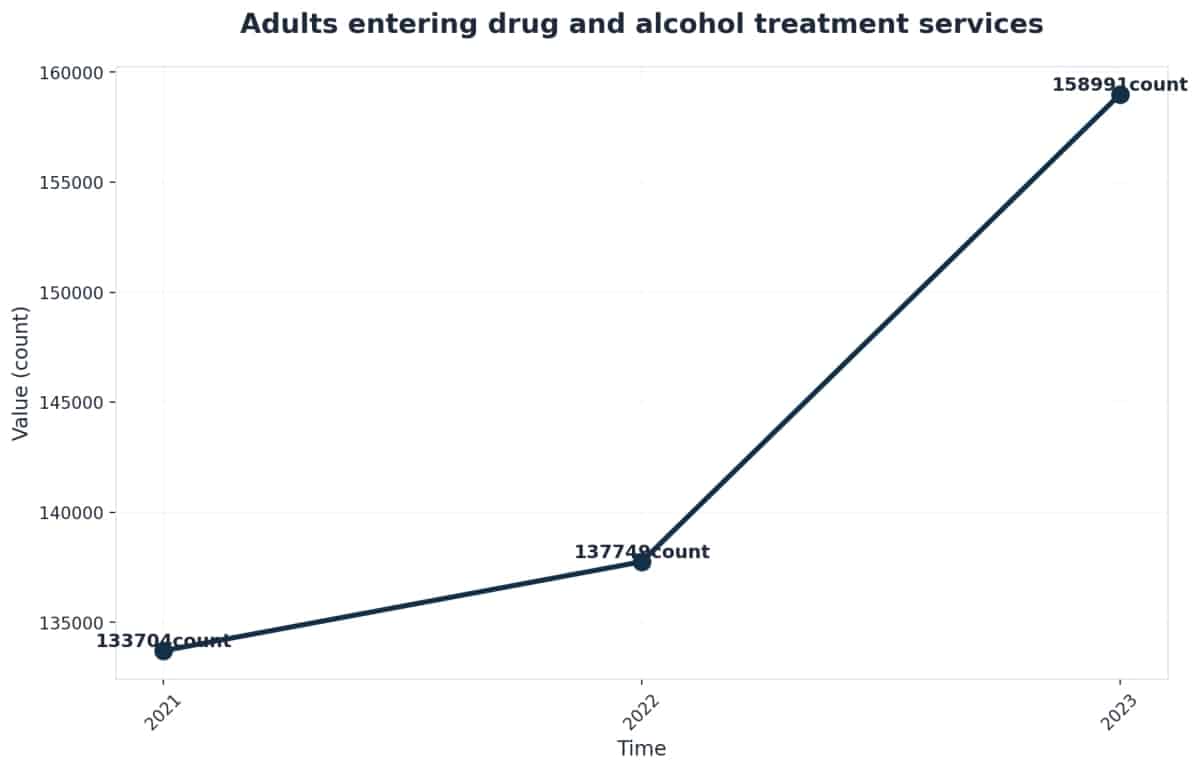
The neurological reality is straightforward: stimulants fundamentally alter dopamine regulation and reward pathway function. Cessation triggers a cascade of withdrawal effects—profound fatigue, anhedonia, cognitive impairment, and intense cravings that can persist for months. At Pacific Crest Trail Detox (PCTD), our medical detox protocols focus on managing these acute symptoms while establishing the physiological baseline necessary for effective behavioral intervention.
“The data on detox-only approaches remains consistent: an 8% success rate without structured follow-up care. That’s not a treatment failure—it’s a protocol failure.”
Our ERPHealth tracking software shows that medically supervised detox, when integrated with immediate clinical follow-up, creates measurably better conditions for sustained recovery compared to unsupported cessation attempts. Stimulant recovery requires behavioral restructuring that extends well beyond the acute withdrawal phase. PCTD’s continuum moves directly from medical detox into Partial Hospitalization Programs (PHP) or Intensive Outpatient Programs (IOP) specifically because stimulant addiction demands this intensity.
You’re not just managing cravings; you’re rebuilding decision-making patterns, addressing the trauma or mental health conditions that often co-exist with stimulant use, and developing the cognitive tools that make long-term abstinence sustainable. Co-occurring disorders represent the norm rather than the exception in stimulant addiction cases. When anxiety, depression, PTSD, or other mental health conditions are present, treating the addiction in isolation produces incomplete results.
Consider this method if you want a clinical team that addresses both conditions simultaneously within the same treatment plan. The therapy sessions, medication management, and recovery strategies all account for the full diagnostic picture. The treatment timeline for stimulant recovery typically requires longer engagement than many other substance classes. PCTD’s progression from medical detox through PHP (typically 5-6 hours daily, 5-7 days weekly) into IOP (9-15 hours weekly) provides the structured support that stimulant-specific recovery demands.
Evidence-Based Treatment Components
Medical Supervision and Support Care
Medical Supervision Checklist: What to Expect in Supportive Care
- 24/7 monitoring for mood swings, cravings, and sleep changes
- Medical assessment for overall health and medication needs
- Symptom management (hydration, nutrition, comfort measures)
- Crisis support for severe anxiety or depression
- Safe, stigma-free, home-like environment
When you enter treatment, having professional medical supervision can make an enormous difference. While meth withdrawal is rarely physically dangerous, the emotional symptoms—like intense depression, anxiety, and agitation—may put you at risk for relapse or self-harm if left unchecked2, 7. Medical teams keep a close eye on these symptoms, stepping in to provide comfort, reassurance, or medication if needed.
This path makes sense for professionals experiencing severe cravings, mental health symptoms, or those who have a history of using multiple substances. In these situations, support staff can quickly respond to mood crashes or medical complications, creating a steady environment while your brain and body adjust2. Medical detox typically requires an investment of $500 to $1,500 per day, though facilities like PCTD accept most major insurance (excluding OHP) to offset these costs.
Medical supervision also includes routine health checks. These can catch dehydration, nutrition gaps, or emerging medical issues before they spiral. For many, just knowing someone is there 24/7 makes the withdrawal journey less frightening. You deserve a space where you’re treated with dignity and understanding—yes, even on your hardest days. If you’re ready, the next section will show how behavioral therapy can help you build new skills and confidence for life after withdrawal.
Behavioral Therapy Approaches That Work
Therapy Decision Tool: Which Behavioral Approach Is Right for You?
Need practical coping skills?
Cognitive Behavioral Therapy (CBT) is your best operational framework for reshaping negative thinking patterns.
Motivated by positive reinforcement?
Contingency Management (CM) provides tangible rewards for meeting recovery milestones.
Struggling with motivation or ambivalence?
Motivational Interviewing (MI) helps you resolve mixed feelings and find your internal drive.
Facing trauma or complex emotions?
Trauma-Informed Therapy ensures your emotional safety while addressing root causes.
Want peer accountability?
Group Therapy or 12-Step Support connects you with others who truly understand the journey.
Behavioral therapy is the backbone of treatment. The most effective programs blend several methods, matching them to your unique needs so you’re not just managing symptoms, but building a new way forward. CBT teaches you to recognize triggers and reshape negative thinking patterns, making daily stressors less likely to lead to relapse. Contingency Management—where you earn rewards for drug-free urine tests—has shown 60-70% effectiveness when combined with CBT, especially over at least 12 weeks of engagement4, 9.
Motivational Interviewing helps if you’re feeling stuck or unsure about change, guiding you toward your own reasons for recovery. For those with trauma histories, trauma-informed care prioritizes emotional safety and empowerment, reducing shame and relapse risks. Logging your daily symptoms in a patient portal (e.g., pressing Submit on your daily mood check) provides actionable data for your clinical team to adjust these therapies in real-time.
Opt for this framework when you’ve tried quitting alone but found cravings or low mood overwhelming. Remember, sticking with therapy—even on tough days—boosts your odds of lasting change. Next, you’ll see how integrating mental health support can strengthen your recovery foundation.
Building Your Recovery Foundation
Addressing Co-Occurring Mental Health
Co-Occurring Mental Health Self-Check: Are You Getting Integrated Support?

- Do you have a history of depression, anxiety, PTSD, or bipolar disorder?
- Have you struggled to manage mood swings or trauma while using meth?
- Does your current plan address both substance use and mental health at the same time?
- Are you comfortable talking to your care team about mental health concerns?
Addressing co-occurring mental health is a vital part of successful treatment. Many people experience depression, anxiety, or trauma-related symptoms that don’t simply disappear after stopping meth. In fact, research shows that trying to treat addiction and mental health separately leads to poorer outcomes; integrated care—where both are treated together—results in much stronger long-term recovery8.
Prioritize this when you’ve noticed that mental health struggles and stimulant use feed into each other. When you receive support for both, you’re more likely to stay engaged in treatment, experience fewer relapses, and build real resilience. Integrated programs use a mix of therapy, medication (when appropriate), and peer support, adapting the approach to what you need most.
Yes, it can feel overwhelming to face multiple challenges at once. Remember that addressing your mental health is not a sign of weakness—it’s a key part of building a lasting recovery foundation. Every time you reach out or open up, you’re giving yourself a better chance at feeling whole again. Next, you’ll explore how aftercare planning helps keep your progress going strong after initial withdrawal.
Creating Your Aftercare Success Plan
Aftercare Planning Tool: Building Your Support Network
- Identify at least two people (peers, mentors, or counselors) you can reach out to weekly.
- Choose a regular group or meeting (in-person or online) to attend for support.
- Schedule follow-up appointments with a therapist or case manager.
- Set reminders for medication, if prescribed, and self-care check-ins.
- Plan healthy routines for sleep, nutrition, and stress management.
Phase 1: Acute Medical Detox (Days 1-7)
Phase 2: PHP / IOP Programming (Weeks 2-12)
Phase 3: Alumni Services & Aftercare (Months 3+)
Creating your aftercare success plan is the bridge between initial treatment and long-term stability. Research shows aftercare is not just a bonus—it’s a core component that raises sustained recovery rates from 8% (detox alone) to as high as 60% when paired with ongoing support services like counseling, peer groups, and check-ins10.
This solution fits you if you want to stay accountable and connected after formal treatment ends. A strong aftercare plan might include outpatient therapy, 12-step or peer groups, regular check-ins with a case manager, and digital supports like recovery apps. Many people in recovery find that consistent social support and structure help them stay on track, especially during high-risk times or stressful events.
It’s normal to feel uncertain about life after structured care. Every small commitment—like showing up for a group or texting a recovery buddy—adds up to real progress. Remember, aftercare is not about perfection; it’s about having a safety net when things get tough. Up next, you’ll get answers to common questions about treatment and navigating your recovery journey.
Frequently Asked Questions
How do I choose between residential and outpatient treatment programs?
Choosing between residential and outpatient programs for meth withdrawal treatment depends on your current needs and life circumstances. Residential treatment provides a structured, 24/7 environment, making it ideal if you need intensive support, have struggled with relapses, or lack a stable home setting. Outpatient care works well if you have strong social support, steady housing, and need to balance treatment with work or family commitments. Research shows both settings can be highly effective when paired with therapy and aftercare, but residential programs may offer extra safety during severe withdrawal or co-occurring mental health crises 24.
What does meth withdrawal treatment typically cost, and will my insurance cover it?
Costs for meth withdrawal treatment can vary widely depending on the level of care, location, and specific services offered. Residential programs are typically more expensive than outpatient care, but many insurance plans do cover both options if medically necessary. While exact pricing isn’t always public, research highlights that comprehensive programs—including therapy and aftercare—are more likely to be covered by insurance, especially since evidence shows these approaches lead to much better recovery rates compared to detox alone 110. If you’re unsure, it’s always okay to call your provider and ask what’s included. Remember, seeking clarity on coverage is a strong step toward recovery.
How long will I need to stay in treatment to see real progress?
You’re probably wondering how long meth withdrawal treatment will take before you start to see real progress. Most people experience the most intense withdrawal symptoms in the first 1-2 weeks, but it’s common for mood swings and cravings to last for several more weeks 27. Research shows that people who stay in structured therapy or support programs for at least 12 weeks have much higher recovery rates—up to 60%—compared to those who leave after detox alone 410. This timeline isn’t about perfection; it’s about giving your brain enough time to heal and for new habits to take root. Every week you stick with it is a win, and progress builds over time.
Can I continue working or going to school during withdrawal treatment?
Yes, you can often continue working or attending school during meth withdrawal treatment—especially if you choose an intensive outpatient program (IOP) or standard outpatient care. These options are designed to fit around your daily responsibilities, offering flexibility so you can keep up with important commitments while getting the support you need. That said, the first week or two of withdrawal can bring fatigue, mood swings, and trouble concentrating, which might make tasks feel harder than usual 27. This approach is ideal for people who have stable housing, a supportive environment, and are motivated to balance recovery with life’s demands. If you find symptoms overwhelming, temporary adjustments like reduced hours or academic accommodations may be helpful. Remember, reaching out for support—at work, school, or treatment—is a sign of strength.
What happens if I’ve been using meth with other substances like fentanyl?
If you’ve been using meth alongside other substances like fentanyl, your meth withdrawal treatment needs extra attention and care. Mixing stimulants and opioids increases the risk of severe withdrawal symptoms, overdose, and unexpected health complications. Recent CDC data shows that overdoses involving both meth and fentanyl have surged, highlighting the importance of choosing a treatment program that can address multiple substance dependencies at once 6. This approach works best when you have access to medical supervision and integrated care teams experienced in handling complex withdrawal scenarios. Remember, reaching out for specialized help is a sign of strength—you’re protecting your future by taking this step.
Are there medications that can help with meth withdrawal symptoms?
Currently, there isn’t a single FDA-approved medication specifically for meth withdrawal treatment, but several options can help manage symptoms and support your progress. Medications like bupropion, naltrexone, and modafinil have shown promise in clinical trials for reducing cravings and easing mood symptoms, though results are mixed and they’re most effective when combined with behavioral therapy 45. Some care teams may use antidepressants or sleep aids to target specific issues like depression or insomnia during withdrawal. This approach works best when medication is part of a broader plan—including therapy and supportive care—rather than used alone. Remember, you deserve solutions tailored to your needs, and it’s okay to ask your provider about what’s available.
What’s the difference between detox-only programs and comprehensive treatment?
Detox-only programs focus on helping you stop meth use and manage the first wave of withdrawal symptoms. These programs usually last a few days to a week and provide medical support for physical safety. However, on their own, detox-only approaches have an 8-10% long-term recovery rate, since they don’t address the powerful cravings or mental health challenges that come after the body clears meth 110.
Comprehensive meth withdrawal treatment adds therapy, aftercare, and mental health support. This fuller approach boosts recovery rates up to 60%, helping you build coping skills, peer support, and structure for lasting progress 110. Every extra layer of support you add truly makes a difference.
Your Path Forward Starts Today
The comprehensive treatment model we’ve discussed—medical detox, behavioral therapy, and structured aftercare—is exactly what Pacific Crest Trail Detox delivers in Milwaukie, just outside Portland. Since 2017, PCTD has specialized in stimulant addiction treatment within a home-like residential setting that removes the clinical hospital feel while maintaining full medical supervision. For professionals managing both substance use and co-occurring mental health challenges, this environment supports recovery without sacrificing the clinical rigor you’d expect.

What sets PCTD apart is the commitment to measured outcomes through ERPHealth tracking software, providing statistically-significant data on treatment effectiveness rather than anecdotal success stories. The facility offers specialized programming for professionals, LGBTQ+ individuals, and veterans who need treatment that respects their responsibilities and circumstances, along with a full continuum from medical detox through IOP and ongoing alumni services. PCTD accepts most major insurance plans (excluding OHP), making evidence-based care accessible when you need it.
Consider this route if you’re ready to address stimulant use and underlying mental health issues with a treatment approach backed by data and delivered with dignity. You understand the research: detox alone has an 8% success rate, while comprehensive treatment combining medical care with behavioral therapy creates sustainable recovery. PCTD’s team is available to discuss how their continuum of care aligns with your specific situation. Your professional insight tells you what effective treatment looks like—now it’s about taking that knowledge and applying it to your own recovery.
References
- Medication-Assisted Treatment | SAMHSA. https://www.samhsa.gov/medication-assisted-treatment
- Methamphetamine Research Report | National Institute on Drug Abuse. https://www.nida.nih.gov/publications/research-reports/methamphetamine
- SAMHSA National Helpline | Free, Confidential, 24/7 Support. https://www.samhsa.gov/find-help/national-helpline
- Methamphetamine Withdrawal Research Literature | PubMed. https://pubmed.ncbi.nlm.nih.gov/methamphetamine-withdrawal
- DrugFacts: Methamphetamine | National Institute on Drug Abuse. https://www.drugabuse.gov/publications/drugfacts/methamphetamine
- Drug Overdose Data & Research | CDC. https://www.cdc.gov/drugoverdose/data_research/index.html
- Stimulant Use Disorder and Withdrawal | StatPearls, National Center for Biotechnology Information. https://www.ncbi.nlm.nih.gov/books/NBK430671/
- Co-Occurring Mental and Substance Use Disorders | SAMHSA. https://www.samhsa.gov/treatment/co-occurring-disorders
- Contingency Management for Substance Use Disorders | Research Review. https://www.ncbi.nlm.nih.gov/pmc/articles/PMC8195633/
- Aftercare & Recovery Support Services | SAMHSA. https://www.samhsa.gov/aftercare-recovery-support-services