

Key Takeaways
- Assessment Scoring Guide: Evaluate your readiness on a scale of 1-10 for energy, workplace support, and boundary-setting. A combined score of 21+ indicates a strong foundation for integrating work and recovery.
- Top 3 Success Factors: 1) Utilizing flexible scheduling (increases job retention by up to 40%), 2) Engaging in integrated care models (yields a 52% higher placement rate), and 3) Maintaining regular, discreet check-ins with your care team.
- Immediate Next Action: Review your upcoming work calendar and identify two 60-minute windows where you can seamlessly schedule discreet outpatient appointments or therapy sessions.
Why Employment and Vocational Rehabilitation Anchor Long-Term Recovery
The Clinical Case for Working While Healing
Checklist: Signs That Returning to Work Supports Your Recovery
- You feel ready for daily structure and a renewed sense of professional purpose.
- Your treatment team supports the idea of maintaining or seeking employment.
- You can identify basic, discreet coping strategies for high-stress business situations.
- You are able to communicate your scheduling needs effectively to others.
Working while healing isn’t just about earning an income—it’s a proven way to strengthen recovery outcomes. As a professional seeking discretion, engaging in vocational rehabilitation can bring back a sense of identity and routine, both of which are often disrupted during substance use treatment. Yes, balancing career demands with recovery is challenging, and that’s completely okay. Every step forward counts!
Many professionals find that meaningful work helps rebuild confidence and gently restores social connections that may have slipped away. At Pacific Crest Trail Detox (PCTD), we believe in compassionate, personalized care that honors your professional life. We offer a comfortable, home-like environment rather than a sterile clinical hospital setting, ensuring you feel respected and at ease while you heal.
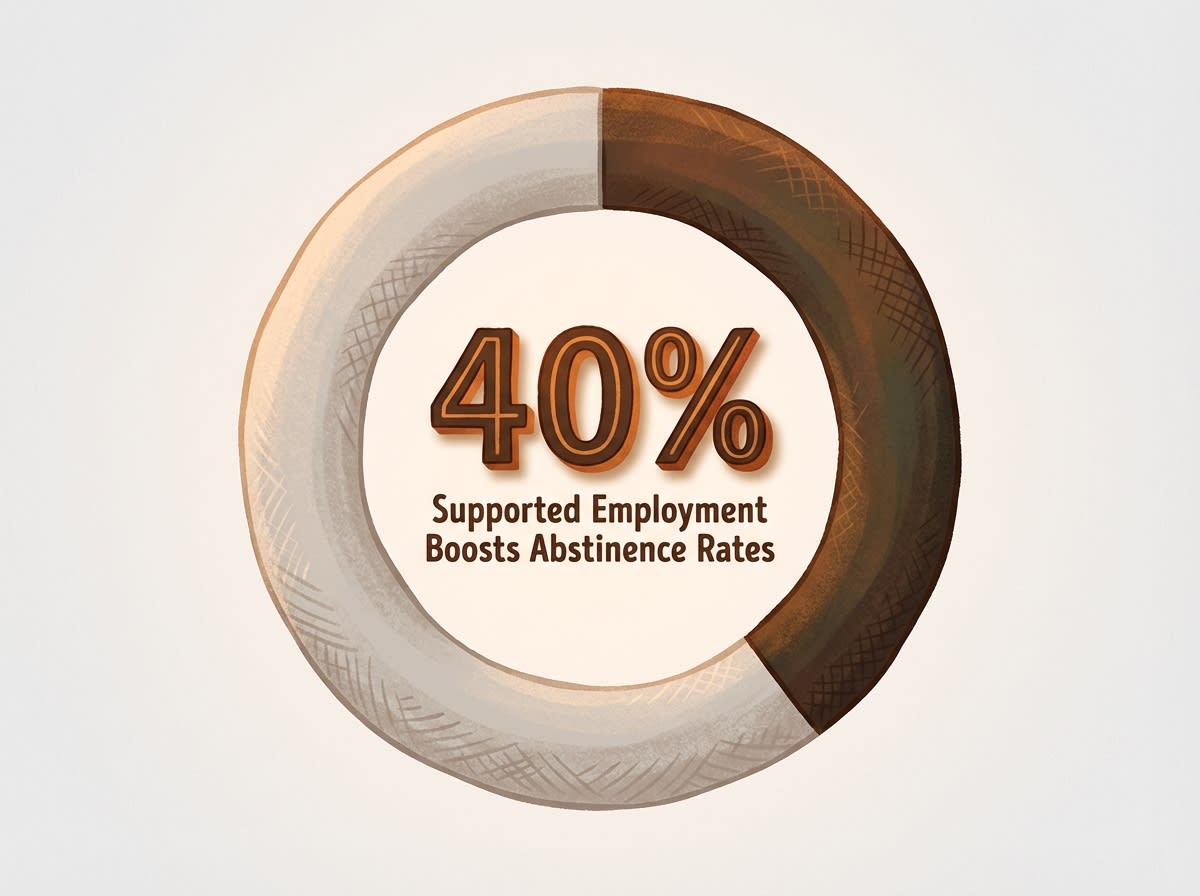
“Individuals who participate in supported employment programs as part of their treatment show a 40% higher abstinence rate at 12 months compared to those who only attend clinical sessions without work involvement.”2
Clinically, the evidence is clear: engaging in employment during treatment makes a real difference. Returning to work—when done thoughtfully and with the right supports—can actually lower your risk of relapse and help you stay engaged in your recovery plan. This approach works best when you have access to flexible schedules, understanding supervisors, and a workplace that values your progress.
If you are worried about balancing outpatient appointments or therapy, you are not alone. Most recovery-friendly job accommodations cost employers little to nothing (often $0 to $500) and are widely available.7 Understanding how employment actively aids your healing sets the stage for evaluating your own readiness to re-enter or remain in the workforce.
Assessing Your Professional Readiness
Self-Assessment Tool: Are You Professionally Ready?
- Do you have enough energy and focus to manage basic job tasks for at least 10-20 hours a week?
- Can you identify people or systems that will support you at work?
- Are you able to set boundaries if work stress becomes overwhelming?
- Have you discussed your employment plans with your treatment provider?
Early Recovery (Focus on Healing) → Transitional Phase (Part-time/Flexible) → Full Integration (Career Growth)
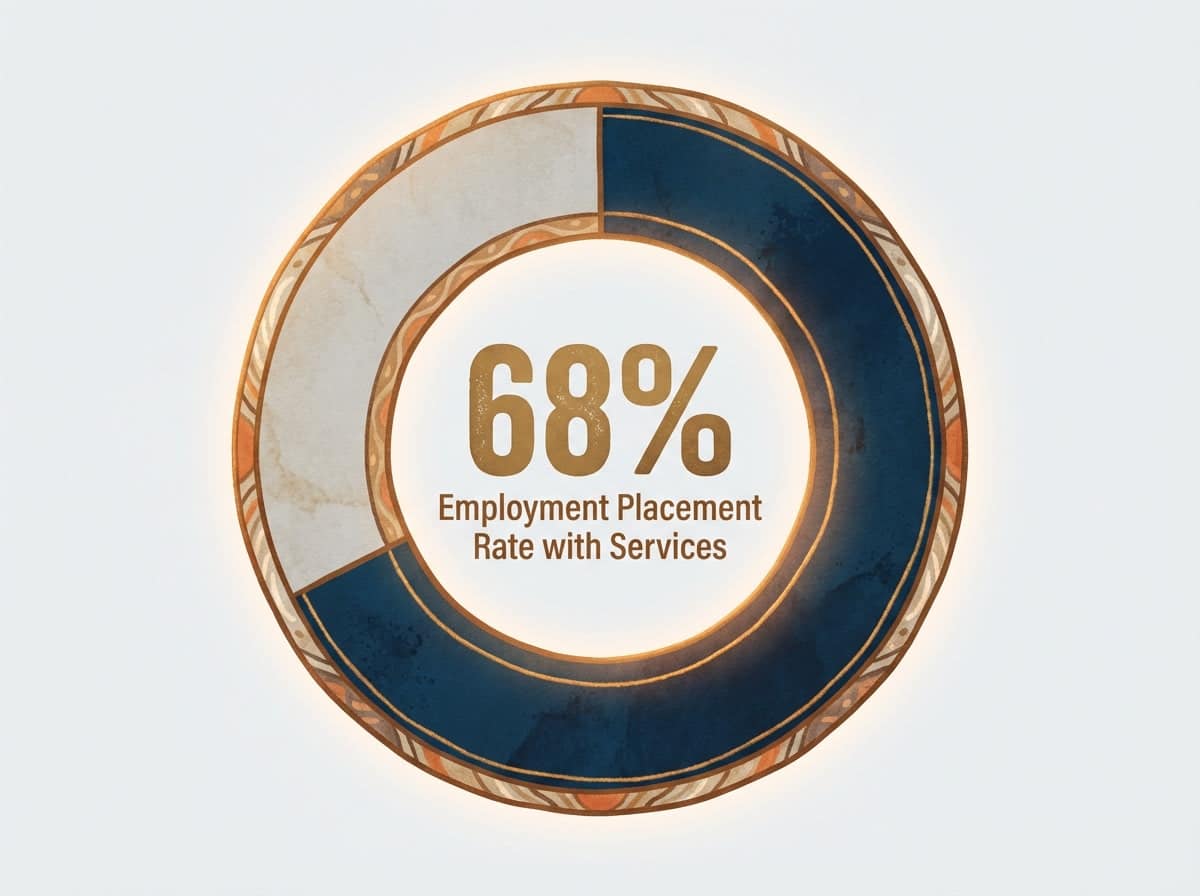
Recognizing your own professional readiness is a big step—and it’s completely normal to feel both excited and nervous about returning to your career while in recovery. Think about your current strengths, but also where you might need a little extra support. Research shows that individuals who actively use vocational rehabilitation services—like skills assessments and job coaching—achieve a 68% employment placement rate when these services are combined with mental health support.1
A good way to start is by honestly evaluating your ability to manage day-to-day challenges, like time management or asking for help when you need it. Consider this route if you find yourself craving a sense of purpose or financial stability, but aren’t sure how to balance it all just yet. Small wins matter: even dedicating 2-4 hours a week to part-time work or consulting roles can build confidence as you grow toward more responsibility.
Don’t be afraid to ask for feedback or adjust your goals along the way—progress isn’t always a straight line. Every thoughtful choice you make now lays the groundwork for integrating work and recovery in a way that truly works for you. Next, you will see how vocational services can become a seamless part of your treatment plan.
How Vocational Rehabilitation Integrates With Treatment
What Integrated Clinical-Vocational Models Deliver
Decision Tool: Is an Integrated Clinical-Vocational Model Right for You?
- Do you want work to be part of your recovery plan, not a separate, competing task?
- Are you seeking practical support that blends therapy with job coaching?
- Would you benefit from having your care team and employment specialists communicate regularly?
- Are you eager for a structure that respects your privacy and professional identity?
Integrated clinical-vocational models combine medical or therapeutic care with hands-on employment support, all within one coordinated plan. Instead of bouncing between providers, you get a team that aligns your treatment goals and your career ambitions side by side. You will find that your therapy sessions, job search support, and workplace accommodations are all coordinated to reduce stress, not add to it.
| Feature | Clinical Care Only | Integrated Clinical-Vocational Model |
|---|---|---|
| Focus | Symptom management and abstinence. | Holistic recovery including career stability. |
| Time Investment | Varies, often requires separate career planning. | Streamlined; therapy and career coaching overlap. |
| Success Rate | Standard baseline outcomes. | 52% more likely to secure competitive employment.4 |
Programs using this model deliver measurable results. Continuous engagement with both treatment providers and vocational rehabilitation specialists leads to higher job retention rates, with over 75% of participants staying employed at the 12-month mark.1 At PCTD, we offer flexible daytime support through our Partial Hospitalization Programs (PHP) and Intensive Outpatient Programs (IOP), allowing you to receive high-level care without sacrificing your career trajectory.
Opt for this framework when you need support that adapts if your needs shift—like help navigating disclosure issues or flexible scheduling for outpatient appointments. Every step in integrated care is designed to be discreet, supportive, and tailored to your unique circumstances. Up next: you will learn how to decide the best timing for launching your employment search during recovery.
Timing Your Employment Search Strategically
Planning when to begin your employment search during recovery isn’t about rushing or waiting for a perfect moment—it’s about aligning your next steps with where you are both emotionally and clinically. Use this quick self-check to guide your timing:
Timing Self-Check:
- Have you reached a stable phase in your outpatient or intensive outpatient program?
- Are you able to stick to a routine, even if it’s just for a week or two?
- Do you have a point person (therapist, recovery coach, or peer) you can check in with regularly?
- Can you identify your top one or two stress triggers, and do you have a basic plan for managing them?
Vocational rehabilitation specialists often recommend a gradual approach—starting small with volunteer work, freelance tasks, or informational interviews—especially if you are balancing treatment with professional responsibilities. For example, if you are a private practice lawyer versus a corporate executive, your ability to control your schedule will dictate how quickly you ramp up your hours.
This path makes sense for professionals who want to minimize employment gaps but still need flexibility for therapy sessions or medical appointments. Research supports this strategy: programs that integrate job search activities early in recovery see 71% of clients achieve competitive employment while remaining engaged in outpatient treatment.10
It’s normal to feel urgency to get back on your career track, but pacing yourself can actually help you avoid setbacks. If you are ever unsure, lean on your care team—they can help you adjust your timeline, so you don’t sacrifice your health for speed. Remember, every small action—updating your resume, reaching out to a contact, attending a job fair—counts as progress. Next, you will discover how workplace accommodations and legal protections can give you the confidence to return to work on your terms.
Navigating Workplace Accommodations and Rights
Legal Protections That Support Your Career
Checklist: Legal Rights Every Professional in Recovery Should Know
- Are you covered under the Americans with Disabilities Act (ADA) or similar state laws?
- Have you reviewed your right to reasonable accommodations with your HR or legal advisor?
- Do you know how to request time off for recovery support or therapy?
- Are you aware of anti-discrimination protections related to your treatment history?
Understanding your legal protections can empower you to move forward in your career with confidence. The ADA defines substance use disorder as a disability—meaning most professionals in recovery are legally entitled to reasonable job accommodations and protection from workplace discrimination, as long as they are not currently using illegal drugs. For example, you can request flexible scheduling for outpatient appointments or ask for privacy regarding your treatment needs, and your employer must consider these requests unless they cause undue hardship on the business.3
If you need to request an accommodation discreetly, you can use a simple, professional email structure:
Subject: Request for Schedule Adjustment - [Your Name]

Dear [Manager/HR Name],

I am writing to request a minor adjustment to my schedule to accommodate an ongoing medical treatment plan. I am requesting [specific adjustment, e.g., to shift my hours to 9 AM - 6 PM on Tuesdays and Thursdays] to attend recurring medical appointments.

I am committed to ensuring all my professional responsibilities are fully met and am happy to discuss how we can implement this seamlessly.

Best regards,
[Your Name]
If you experience stigma or feel penalized for using recovery time, you are not alone: about 34% of discrimination complaints from individuals in recovery cite employers failing to provide accommodations they are required to offer by law.3 This strategy suits organizations that have structured HR departments, but even in smaller firms, communicating proactively is key. Every step you take to know your rights is a step toward a safer, more secure return to work.
Practical Accommodations That Cost Almost Nothing
Checklist: Low-Cost Workplace Accommodations for Recovery
- Flexible scheduling to allow for outpatient appointments.
- Short breaks throughout the day for self-care or support calls.
- Temporary remote work or telecommuting options.
- Private space for virtual therapy or recovery check-ins.
- Written instructions or reminders to support memory and focus.
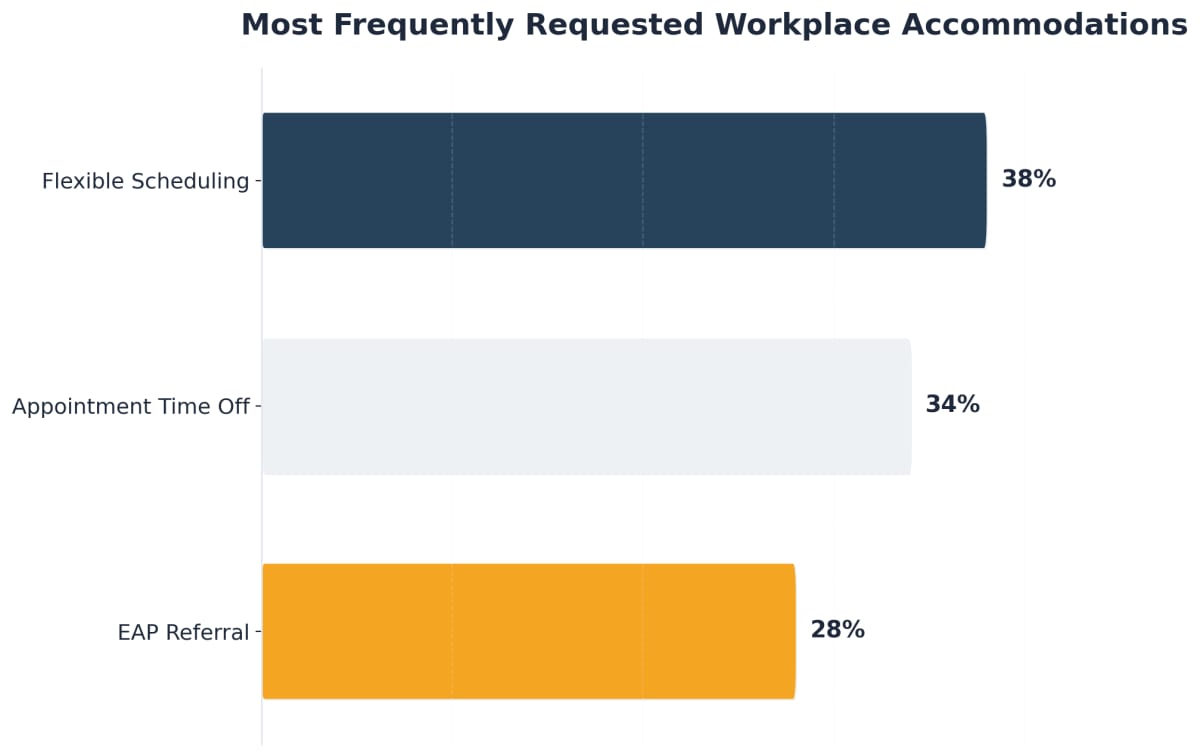
The truth is, most accommodations that help you balance career and recovery are simple, budget-friendly, and easy for employers to implement. According to the Job Accommodation Network, 80% of workplace accommodations for recovery support cost $500 or less to put in place, with flexible schedules and time off for appointments being the most common requests.7 For professionals juggling treatment and work, these changes can be the difference between just getting by and truly thriving.
Pro-Tip: Maintaining Digital Privacy at Work
If you are researching recovery resources or communicating with your care team during a break, use keyboard shortcuts to quickly hide sensitive tabs if a colleague approaches your desk. On Windows, press Windows + D to show the desktop. On Mac, use Command + H to hide the current window.
Consider this method if you want to keep your recovery journey private while still getting what you need to succeed at work. Simple shifts—like adjusting your start time, working from home during difficult days, or having a quiet place for a support call—require minimal resources and often cost nothing at all. Many organizations are now more open to creative solutions, especially as digital tools and remote work have become the norm.7
Every small adjustment you make in your workday is a win for your well-being and professional growth. Next, you will explore how to shape a career path that supports your recovery for the long run.
Building Your Recovery-Compatible Career Path
Your career doesn’t have to be a casualty of your recovery journey. In fact, building a sustainable professional path that supports your sobriety is one of the most empowering decisions you will make. The key is creating alignment between your work life and your recovery needs—and yes, both can thrive together without compromising your professional reputation.
Start by assessing your current work environment honestly. Does your job involve high-stress situations that trigger cravings? Are you surrounded by workplace drinking culture or colleagues who don’t understand your boundaries? These aren’t reasons to give up on your career, but they are important factors to address. Some professionals find that a lateral move within their industry—same skills, different environment—gives them the breathing room they need during early recovery.
Flexibility is your friend here, and modern treatment programs are specifically designed with your professional schedule in mind. Pacific Crest Trail Detox offers outpatient programs structured around working professionals like you. Whether you need standard outpatient therapy that fits into lunch breaks, or more intensive support, the goal is integration, not disruption, with complete discretion protecting your professional standing.
Consider what recovery-compatible really means for you. It’s about more than just avoiding triggers—it’s about building a career that energizes rather than depletes you. That means setting firmer boundaries around after-work socializing. It involves being selective about travel assignments or client meetings. And it includes having honest conversations with supervisors about your need for predictable schedules during treatment—or keeping things completely private if that’s what your situation requires.
Your professional identity and your recovery identity don’t have to be separate. The discipline, self-awareness, and emotional intelligence developed through recovery actually make you better at your job. You are learning to manage stress effectively, communicate your needs clearly, and prioritize what truly matters—skills that translate directly into professional success. At PCTD, we use ERPHealth software to track statistically-significant treatment results, so you can actually measure your progress and see how your emotional intelligence is improving over time.
Don’t underestimate the power of peer support in professional settings. Connecting with other professionals in recovery through Pacific Crest Trail Detox’s alumni services creates a network of people who understand both the career pressures you face and the recovery journey you are on. These structured alumni programs remind you that plenty of successful professionals have walked this path before you and come out stronger on the other side.
This solution fits professionals who refuse to choose between their health and their livelihood. Remember, building a recovery-compatible career isn’t about limiting your potential—it’s about maximizing it sustainably. When you create work conditions that support your sobriety, you are not just protecting your recovery; you are setting yourself up for long-term professional growth that doesn’t come at the cost of your wellbeing.
Frequently Asked Questions
How much do vocational rehabilitation services typically cost out-of-pocket?
The out-of-pocket cost for vocational rehabilitation can vary widely based on your location, eligibility, and the specific services you need. Many professionals may qualify for state or federally funded programs that cover most or all service costs—especially if you have a documented disability or co-occurring mental health condition. In these cases, job assessments, counseling, and placement support are often provided at little or no expense to you 5. If you pursue private vocational counseling or coaching, fees can differ, but state agencies remain a great first stop for discreet, affordable support. Always check your state’s vocational rehabilitation office for the latest details.
Should I disclose my recovery status to potential employers during job interviews?
Deciding whether to disclose your recovery status to potential employers during job interviews is deeply personal and depends on your comfort level and the demands of the position. Legally, you are not required to share your recovery history unless you need a specific accommodation to perform your job duties. Many professionals choose to keep this information private, focusing on their strengths and skills instead. If you do need an accommodation, you can wait until after receiving a job offer to discuss details with human resources—this protects your privacy and ensures you’re covered under the Americans with Disabilities Act (ADA) 3. When in doubt, consulting a vocational rehabilitation specialist can help you weigh your options and plan your approach.
How do I choose between starting work immediately versus waiting until I feel more stable?
Deciding when to return to work is a deeply personal choice—there’s no single right answer. For some, starting work right away helps restore routine and motivation, boosting confidence during early recovery. Others benefit from waiting until their mental and physical health feel more stable before jumping back in. Research supports both paths: programs that blend employment and recovery show strong outcomes, with 71% of clients gaining competitive jobs even while still in outpatient treatment 10. This approach works when you check in regularly with your treatment team and listen to your own needs. Every step, whether fast or slow, is valid in your vocational rehabilitation journey.
What if my state vocational rehabilitation agency denies my application?
If your state vocational rehabilitation agency denies your application, don’t lose hope—there are still options. First, request a written explanation of the decision and ask about the appeals process, as most agencies allow you to submit additional documentation or request a hearing. Many professionals find that involving their treatment provider or a legal advocate can help clarify eligibility or address misunderstandings. You can also explore federally funded alternatives or nonprofit organizations that offer similar employment support, which often remain available even when state programs are limited 5. Every step you take to advocate for yourself is progress in your vocational rehabilitation journey.
Can I request flexible scheduling for outpatient appointments without explaining why?
Yes, you can request flexible scheduling for outpatient appointments without disclosing the specific reason to your employer. Under the Americans with Disabilities Act (ADA), you’re entitled to reasonable accommodations for a qualifying health need, and you only need to share enough information for your employer to understand that a legitimate medical accommodation is required—not the details of your treatment or diagnosis. Many professionals find that simply stating you need flexibility for ongoing medical appointments is enough. This approach helps maintain your privacy while still giving you the support you need to balance work and recovery. If you ever feel uncertain, consulting a vocational rehabilitation specialist can help you navigate the process confidentially 3.
How long does it typically take to see employment results after enrolling in vocational services?
Most professionals start to see employment results within three to six months after enrolling in vocational rehabilitation services, though your timeline may vary based on your goals, industry, and level of participation. Research shows that 68% of individuals who combine vocational and mental health support secure competitive employment, with over 75% maintaining their jobs at the 12-month mark 1. Keep in mind, small milestones—like landing an interview or updating your resume—are important progress, too. If you’re balancing outpatient treatment or want a discreet, flexible process, let your support team know so they can help you set realistic expectations and celebrate every step forward.
What happens if I relapse while employed—will I lose my job and vocational support?
If you experience a relapse while employed, you still have important rights and options—losing your job or vocational rehabilitation support isn’t automatic. The Americans with Disabilities Act (ADA) protects professionals in recovery from discrimination, as long as you’re not currently using illegal drugs at work or violating company policies 3. Most vocational rehabilitation programs are designed to offer continued support during setbacks, not just when everything is going smoothly 1. If you do relapse, reach out to your vocational specialist or counselor right away—they can help you strategize next steps, communicate with your employer if needed, and adjust your work accommodations to keep you safe and supported. Remember, every return to care is valid and worthy of encouragement.
Your Next Steps Toward Sustainable Success
You have explored how recovery and professional growth can work together—now it’s time to see what that looks like in practice. The truth is, you don’t have to put your career on hold to address what’s been holding you back. With the right support designed for working professionals, you can move forward on both fronts.
Pacific Crest Trail Detox in the Portland metro area specializes in helping professionals like you maintain their careers while getting the care they need. Our continuum of care—from medical detox through intensive outpatient and standard outpatient programs—is built around your schedule and professional commitments. Whether you need medically supervised detox for alcohol or benzodiazepines, or structured support through our medication-assisted treatment (MAT) programs, each level of care is designed to fit your life, not disrupt it.
We understand that professionals face unique pressures, which is why our evidence-based treatment approach combines medical supervision with therapy that addresses the realities of high-stakes careers. We track measured outcomes using specialized software, so you can see the progress you are making. And because we know logistics matter, we accept most insurance plans (excluding OHP) and offer confidential consultations to discuss what support would work best for your situation.
Prioritize this when you are ready to reclaim your health without sacrificing your hard-earned reputation. Your next step is simple: schedule a confidential conversation with someone who understands professional pressures and recovery. You can explore your options without commitment, ask questions about how treatment fits with your work schedule, and get clear answers about what’s possible. You have already taken the hardest step by considering change—now let’s talk about what comes next. Your career success and your recovery aren’t competing priorities. With the right support, they strengthen each other.
References
- U.S. Department of Labor ODEP: Employment Support for Individuals in Recovery. https://www.dol.gov/odep/employment-support-individuals-recovery
- SAMHSA: Recovery Ready Workplaces Framework and Toolkit. https://www.samhsa.gov/sites/default/files/recovery-ready-workplaces.pdf
- EEOC: ADA Guidance on Substance Use Disorder and Employment. https://www.eeoc.gov/laws/guidance-ada-substance-use-disorder
- RRTC on Vocational Rehabilitation: Employment Outcomes for Individuals with Co-Occurring Mental Health and SUD. https://www.rrtcvr.org/publications/vocational-outcomes-co-occurring-disorders
- Social Security Administration: Vocational Rehabilitation Services Under Title I. https://www.ssa.gov/vr/employment-support-services
- American Psychiatric Association: Work and Recovery from Substance Use Disorders. https://www.psychiatry.org/patients-families/addiction-substance-use-disorders/work-and-recovery
- Job Accommodation Network: Accommodations for Recovery Support Needs. https://www.jac.org/resources-vocational-rehabilitation-employment
- National Association of Workforce Development Professionals: Career Pathways for Recovery. https://www.nawdp.org/career-pathways-recovery-toolkit
- CDC Workplace Health Promotion: Supporting Employees in Recovery. https://www.cdc.gov/workplacehealthpromotion/substance-use-recovery
- SAMHSA BEES Project: Blending Employment and Recovery Services. https://www.samhsa.gov/bees-project-research