


Key Takeaways
- Opioid withdrawal is a medical event, not a character flaw, and tolerance drops within days, making relapse during unmedicated detox potentially fatal 2.
- Safe detox means daily clinician monitoring, withdrawal-scale assessments, and FDA-approved medications like buprenorphine or methadone rather than supportive care alone 110.
- Anesthesia-assisted rapid detox carries roughly a 9% rate of serious harm, far higher than the under-1% risk of standard medically supervised detox 12.
- Day seven, not day two, is when relapse risk spikes, so confirm the program’s plan for continued medication and counseling after discharge 16.
What Opioid Withdrawal Feels Like
The clock says 4:17. The sheets are soaked. Your legs will not stop moving, and your stomach is folding in on itself. You are cold, then hot, then cold again. Somewhere under all of it is the thought you have been pushing away for months: I cannot keep doing this.
If you are experiencing this, you are not weak. You are in opioid withdrawal, which is a medical event, not a character flaw. Your body adapted to the presence of an opioid. Now that it’s gone, every system that relied on it is sounding an alarm — watery eyes, goosebumps, cramps, and a restlessness that makes sitting still feel impossible.
The most challenging aspect is often not just the physical discomfort, but the mental calculations that begin at 4 a.m.: “One more pill, just to sleep. Just to get to work. Just to stop feeling like this for an hour.”
The good news is that you do not have to endure this alone. Medications exist to alleviate these severe symptoms. Many individuals enter detox programs feeling exactly as you do and emerge on the other side. The fact that you are seeking information is already a crucial first step.
Defining “Safe” in a Detox Program
“Safe” is a term frequently used by treatment centers, but its practical meaning is often unclear. Here’s what “safe” truly means in a medical detox setting:
Safety means a nurse or medical provider conducts an initial assessment, taking your vital signs and inquiring about your last opioid use and the substances involved. It means you are checked on three to four times a day, not just at the beginning and end of your stay. The World Health Organization’s protocol for supervised settings recommends this frequency, using tools like the Short Opioid Withdrawal Scale to assess symptoms such as sweating, body aches, restlessness, and gastrointestinal issues, allowing medication doses to be adjusted precisely to your needs 1.
Safe also implies the use of medication, rather than just supportive care. The WHO guidance identifies buprenorphine as the most effective opioid medication for managing moderate to severe withdrawal, with methadone as another strong option 1. These medications do not induce a high; instead, they steadily occupy the same receptors as the opioid, quieting the nervous system’s alarm bells. In 2024, the federal government replaced the term “detoxification” with withdrawal management combined with medication for opioid use disorder, reflecting the understanding that unmedicated withdrawal is no longer the standard of care 7.
A safe environment includes a facility designed for this purpose: a comfortable bed, an accessible bathroom, and nourishing food when you can eat. It also means having staff awake and available throughout the night.
Importantly, “safe” does not mean comfortable. Any program promising a painless detox is misleading. A legitimate program offers supervision and medication potent enough to make the most difficult hours bearable. It ensures that during the critical period when your tolerance drops—making subsequent use potentially deadly—you are in a protected environment, not alone and at risk.
Therefore, any program claiming to offer detox that does not provide daily monitoring, FDA-approved medication, a secure physical space, and access to a clinician is not providing the level of care you need.
Why Medical Guidance Recommends Medicated Detox
The Centers for Disease Control and Prevention (CDC) explicitly states that detoxification alone, without medications for opioid use disorder (MOUD), is not recommended. This is because it increases the risk of relapse, overdose, and death 2.
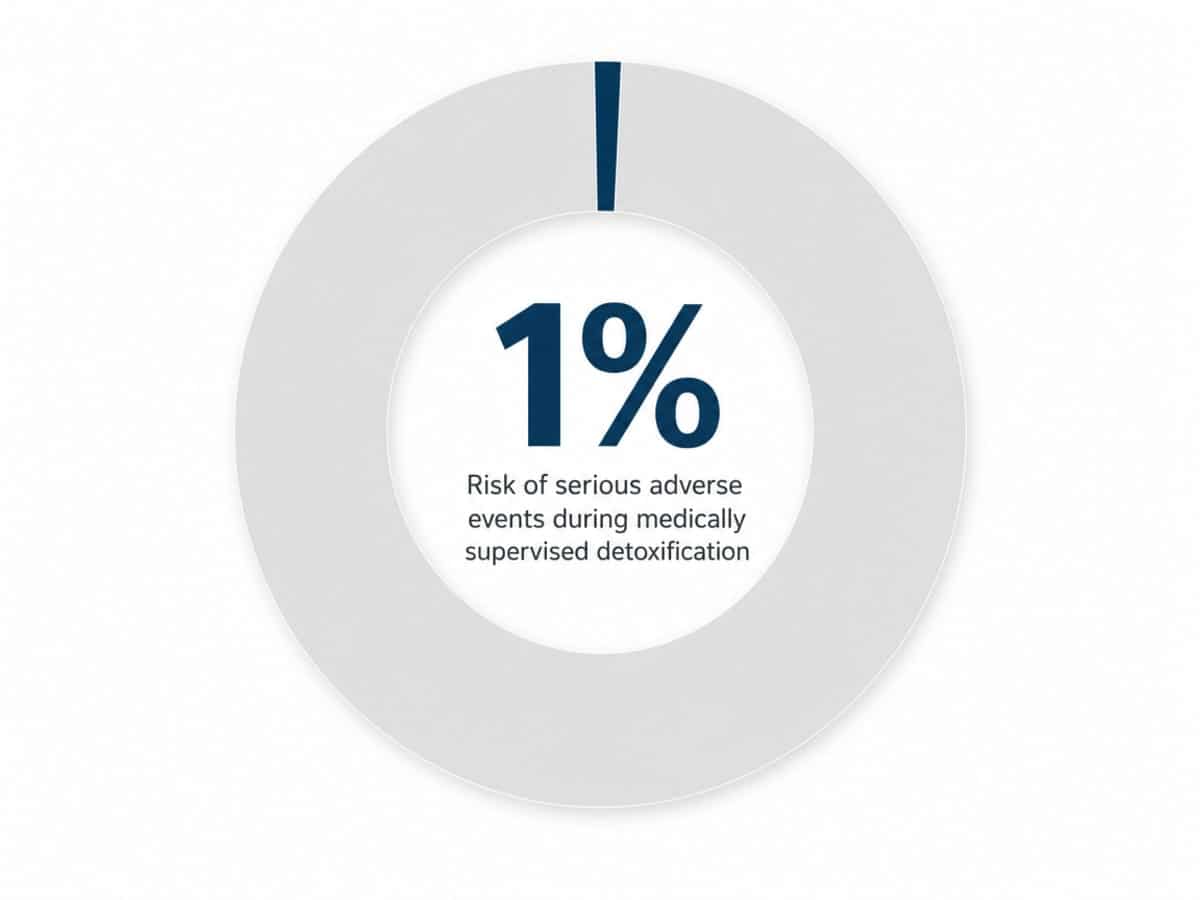
This guidance highlights that an unmedicated detox can be more dangerous than not detoxing at all. The underlying reason is biological: when you stop using opioids, your tolerance diminishes within days. The amount of opioid that previously felt normal can now overwhelm your body. If a relapse occurs—which is common for those who attempt unmedicated detox—the same dose can cause respiratory arrest. This is a matter of pharmacology, not a moral failing.
MOUD addresses this critical issue in two ways: it eases withdrawal symptoms, making the difficult early hours manageable, and it helps stabilize your tolerance, significantly reducing the likelihood of a fatal overdose if a slip occurs. The American Society of Addiction Medicine (ASAM), which sets clinical standards, unequivocally recommends managing opioid withdrawal with methadone or buprenorphine over abrupt cessation 10.
The federal government’s decision in 2024 to replace “detoxification” with “withdrawal management” combined with medication in its guidelines for opioid treatment programs underscores this shift 7. This change was a recognition that unmedicated detox had been contributing to preventable deaths.
When contacting a program, a primary screening question should be: “Do you offer buprenorphine or methadone from day one?” If the answer is no, it is advisable to continue your search.
Buprenorphine or Methadone: Understanding Your Options
When you contact a program, you will be asked about your opioid use history and quantity. This information, along with a brief medical history, helps the clinician determine the most appropriate medication for you. The choice is not about moral judgment or perceived “strength” of the drug. Both buprenorphine and methadone are FDA-approved and recommended by the American Society of Addiction Medicine over attempting cold-turkey withdrawal. A significant review found them to be roughly equivalent in easing withdrawal, with buprenorphine sometimes resolving symptoms slightly faster 1017.
Here’s a practical overview of the differences:
Buprenorphine (often known by the brand name Suboxone) is a partial opioid agonist. It binds to opioid receptors, calming them without fully activating them. This mechanism provides a built-in ceiling effect on respiratory depression, a crucial safety feature. It is typically initiated in a residential detox setting once you are in mild withdrawal, usually at least 12 hours after your last use of a short-acting opioid like heroin or oxycodone 9. A common starting dose is around 6 mg on the first day, adjusted on day two based on your response 4. It is usually administered as a film or tablet that dissolves under the tongue.
Methadone is a full opioid agonist, taken as a daily liquid dose. It is often the preferred choice for individuals with a history of heavy, prolonged opioid use, especially involving fentanyl. Methadone effectively and steadily suppresses withdrawal symptoms. The primary difference in logistics is that methadone is dispensed through federally regulated opioid treatment programs, requiring daily visits to a clinic.
You do not need to decide which medication you prefer before entering a program. The clinician will assess your history and match the medication to your specific needs. If a program offers only one option and is unwilling to discuss the other, it’s a point worth noting. Quality care involves tailoring treatment to your individual circumstances.
Your First 72 Hours in Medically Supervised Detox
The period leading up to admission is often the most anxiety-provoking. Thoughts of judgment, increased pain, or changing your mind can be overwhelming.
Here’s a realistic outline of what happens once you arrive:
Hours 0 to 6: Intake and Assessment. A nurse or clinician will sit with you to gather information about your opioid use (substance, quantity, last use), and any other health concerns. This includes vital signs, a blood pressure check, pulse, and a urine sample. This process is not to judge you, but to create a personalized medication plan. You will also complete the Clinical Opiate Withdrawal Scale (COWS), which scores symptoms like sweating, restlessness, runny nose, and goosebumps. This score helps determine when buprenorphine can be safely started.
The Waiting Window. If buprenorphine is part of your plan, you must be in mild withdrawal before the first dose is administered. For short-acting opioids like heroin, oxycodone, or hydrocodone, this typically means waiting approximately 12 hours after your last use 9. For methadone or long-acting prescription painkillers, the waiting period is longer. Administering buprenorphine too early can precipitate sudden, severe withdrawal, as the medication can displace other opioids from the receptors before your body is ready. During this waiting period, you will be in a bed, with staff regularly checking on you, until your COWS score indicates it’s safe to proceed.
Hours 6 to 24: Induction. Once you reach mild-to-moderate withdrawal, the first dose of buprenorphine is given sublingually. A common starting point on day one is around 6 mg, with adjustments made on day two based on your response 4. Within an hour, most individuals experience a noticeable reduction in the intensity of withdrawal symptoms. The cramps ease, and you may even be able to sleep.
Day 2 and Day 3: Stabilization. Staff will continue to check on you three to four times daily, re-evaluating your withdrawal scale score and adjusting your medication dose as needed 1. You will eat when you can, shower, and begin meeting with a counselor to discuss post-detox plans. By the end of day three, most people are stable enough to participate in group sessions and short walks.
This process is not a dramatic, week-long ordeal, but a structured medical intervention involving dedicated staff, careful monitoring, and effective medication to help you through the most challenging hours.
Anesthesia-Assisted Rapid Detox: A Dangerous Shortcut
During your search, you may encounter advertisements for “detox while you sleep” or “wake up clean in 24 hours,” promising a withdrawal-free experience. This is known clinically as anesthesia-assisted rapid opioid detoxification (AAROD). The premise is that general anesthesia is used while medications rapidly clear opioids from your receptors, supposedly bypassing the difficult withdrawal phase.
This significant disparity highlights the danger: the “shortcut” is approximately nine times more likely to cause serious harm than a supervised detox with a nurse and buprenorphine.
The marketing for AAROD preys on the fear of unbearable withdrawal. However, effective medications used in legitimate programs already mitigate the most severe symptoms. You do not need to be unconscious to get through withdrawal; you need medical supervision and appropriate medication tailored to your body.
If a program emphasizes speed, heavy sedation, or guarantees a completely pain-free experience, it is a red flag. Programs that prioritize patient safety and long-term recovery focus on providing a supervised environment, medical care, and a clear path forward, rather than promoting quick fixes.
Identifying a Reputable Program: Four Key Questions
When making that crucial call to a detox program, ensure you get clear, specific answers. Most intake lines are staffed by individuals accustomed to assisting people in distress. Ask these four questions:
- “Will I be given buprenorphine or methadone on day one if I qualify?” This is a critical screening question. The CDC explicitly states that detox without medication for opioid use disorder is not recommended due to increased risks of relapse and overdose death 2. A reputable program will confirm they offer these medications, explain which one is suitable for your history, and detail the induction timeline. Be wary of programs that evade this question, advocate for a “natural” approach, or only offer symptomatic relief like clonidine and ibuprofen.
- “How often will a nurse or clinician check on me in the first 48 hours?” The ideal answer is three to four times daily, with staff using a withdrawal scale to assess your symptoms and adjust medication doses 1. If they cannot provide a specific number, or respond with “as needed,” it indicates insufficient supervision.
- “What happens after detox? Do you have a program I can transition into on day eight?” Federal guidelines now view detox as the initial phase of treatment, not the entire solution. It should be followed by ongoing medication and counseling 16. A good program will outline the next steps, such as a partial hospitalization program, intensive outpatient track, continued buprenorphine, or group therapy. If the answer is merely “we discharge you and wish you well,” you are facing a high-risk situation without a safety net.
- “Do you accept my insurance, and what should I bring?” A program experienced in admissions can typically verify your benefits quickly over the phone. They should also clearly inform you what to bring (ID, insurance card, a few days’ clothing) and if assistance with transportation is available.
These four questions, taking perhaps ten minutes, can guide you to a safe and effective program. If the answers are unclear, the SAMHSA National Helpline at 1-800-662-HELP is a free, confidential, and 24/7 resource that can direct you to appropriate programs 13.
The Critical Handoff: What Happens After Day Seven
Day seven is a common point for relapse, not day two when physical symptoms are most intense. This often occurs when the structured environment of detox ends, and the thought arises, “I made it through, one won’t hurt.”
Therefore, the question “which program is closest to me?” is less important than “what happens on day eight?”
Federal guidance is explicit: treatment for opioid use disorder begins with stabilization and withdrawal management, followed by ongoing medication combined with counseling or behavioral therapy 16. Detox is merely the first phase. Leaving a detox program without a subsequent appointment means facing a significantly reduced tolerance, persistent cravings, and no medication to manage receptor activity.
A robust transition plan involves a clear progression:
- From detox, you might move to a partial hospitalization program (PHP), offering five days a week of group therapy and clinical support while you reside at home or in a sober living facility.
- This could be followed by an intensive outpatient program (IOP), with fewer hours, allowing for more integration into daily life.
- Then, standard outpatient care, and eventually, alumni groups—a community of individuals who have navigated similar paths and offer ongoing support.
Medication continues throughout this journey. Buprenorphine or methadone is not discontinued upon discharge. The American Society of Addiction Medicine considers ongoing medication a standard of care, not a temporary crutch to be abandoned on an arbitrary timeline 14.
When you call a program, inquire about their plan for day eight. If they can articulate the next steps, introduce you to a counselor you will already know, and confirm that medication will be seamlessly continued, that indicates a safe and supportive transition. If they cannot, you risk a week of supervision followed by an abrupt and dangerous cliff.
Special Considerations: Long-Term Painkillers, Polysubstance Use, and Pregnancy
Not all opioid use histories are the same, and a good program will acknowledge these differences.
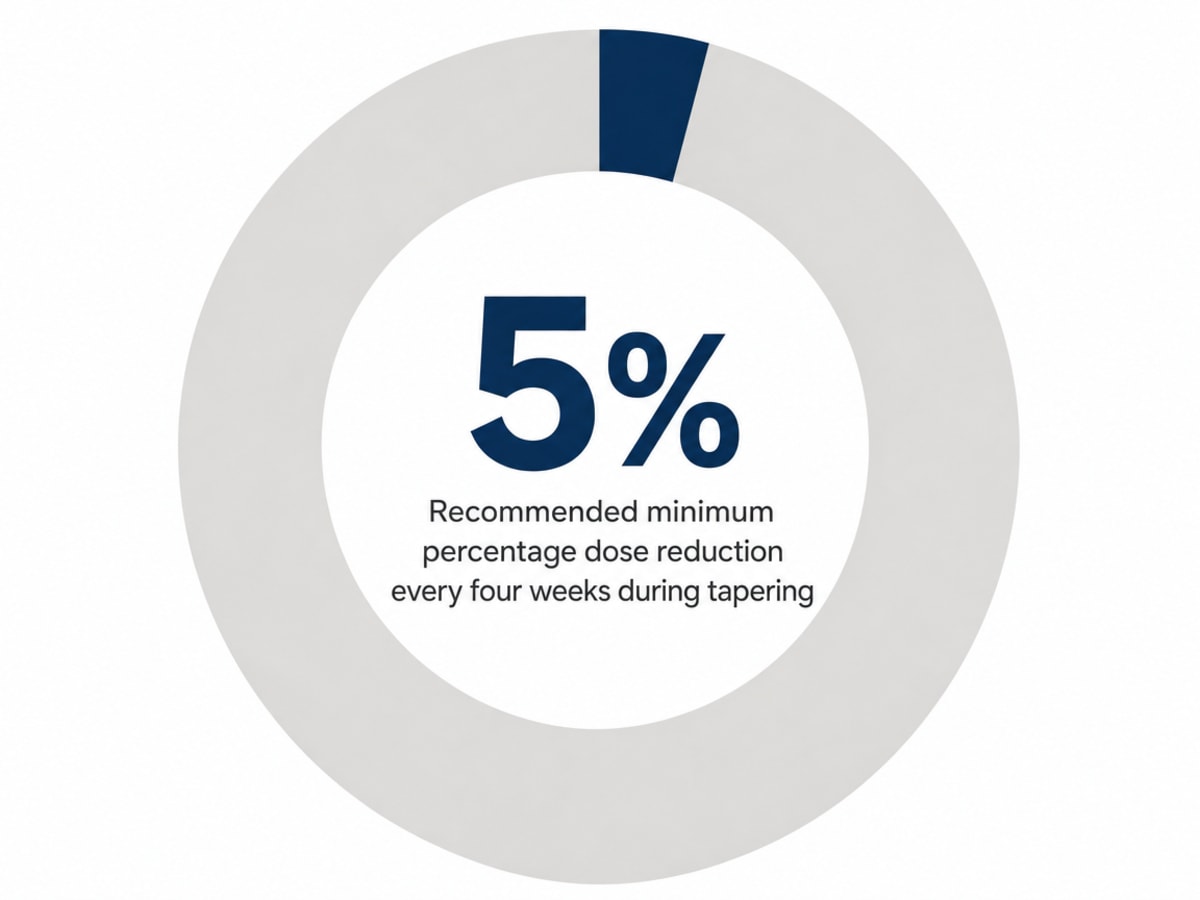
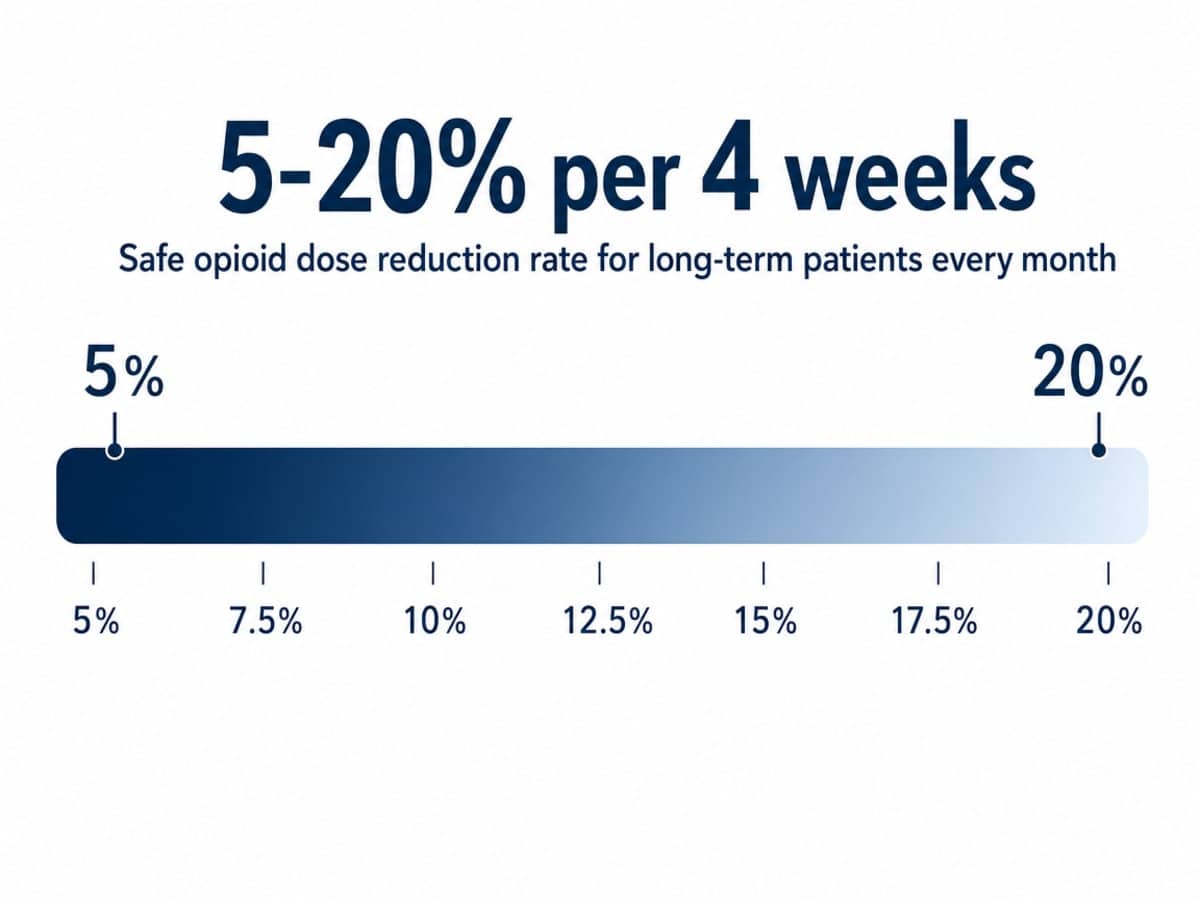
If you’ve been on prescribed painkillers for years: Your situation differs from someone using street fentanyl. If your opioid use originated from a prescription for chronic pain, surgery, or injury, a gradual taper is generally safer than abrupt cessation. HHS guidance suggests tapers that reduce the dose by 5% to 20% every four weeks, with withdrawal symptoms managed throughout 8. This process typically involves a prescribing clinician, sometimes alongside a short medical detox if the dose is high or symptoms become severe. Ask if the program coordinates with your pain doctor or has staff clinicians who can manage a taper.
If you’ve been drinking alcohol in addition to opioids: This is a critical factor that influences where you should detox. Alcohol withdrawal can cause seizures, whereas opioid withdrawal typically does not. Stopping both substances simultaneously without medical supervision is genuinely dangerous. The good news is there’s a clear inpatient protocol: benzodiazepines for alcohol withdrawal and an opioid agonist like buprenorphine or methadone for opioid withdrawal, used concurrently with close monitoring 15. Be upfront with the intake nurse about your alcohol consumption. A program equipped to handle concurrent withdrawal will not hesitate; one that tells you to “sober up first and call back” is not the right choice.
If you are pregnant: Do not attempt to stop opioid use on your own. Sudden opioid withdrawal can pose risks to the pregnancy. Methadone or buprenorphine, initiated under medical supervision, is the standard of care. Most programs specializing in opioid use disorder either provide this directly or can refer you to an obstetrician who does. Mention your pregnancy during the initial call; you will likely be prioritized for care.
Cost, Insurance, and Accessing Care
Concerns about cost often prevent people from seeking help. The good news is that most commercial insurance plans cover medically supervised opioid detox, including the medication and the bed. The intake team can typically verify your benefits within ten minutes if you provide your insurance card details. Before committing, ask plainly about your out-of-pocket expenses, including deductibles, copays, and the duration of stay covered.
If you are uninsured, do not assume treatment is inaccessible. Call anyway. Many programs offer sliding-scale fees, payment plans, or referrals to publicly funded beds. The SAMHSA National Helpline at 1-800-662-HELP is a free, confidential resource, available 24/7 in English and Spanish, and can connect you with programs that align with your financial situation 13.
Securing a bed this week is often possible. Openings occur, and insurance verifications are typically processed quickly. The longest delay is almost always the call that has not yet been made.
If you are in the Portland or Milwaukie area, Pacific Crest Trail Detox is one of the doors that opens this week.
Check Your Coverage for Local Opioid Detox
See if your insurance supports your safe opioid detox and treatment journey.
References
- Clinical Guidelines for Withdrawal Management and Treatment of Drug Dependence in Closed Settings. https://www.ncbi.nlm.nih.gov/books/NBK310652/
- Opioid Use Disorder: Treating | Overdose Prevention – CDC. https://www.cdc.gov/overdose-prevention/hcp/clinical-care/opioid-use-disorder-treating.html
- Opiate and opioid withdrawal: MedlinePlus Medical Encyclopedia. https://medlineplus.gov/ency/article/000949.htm
- Prescribing guidelines – NCBI – NIH. https://www.ncbi.nlm.nih.gov/books/NBK143167/
- Management of opioid use disorder: 2024 update to the national guidelines. https://pmc.ncbi.nlm.nih.gov/articles/PMC11573384/
- Medications for the Treatment of Opioid Use Disorder. https://www.federalregister.gov/documents/2024/02/02/2024-01693/medications-for-the-treatment-of-opioid-use-disorder
- Federal Guidelines for Opioid Treatment Programs. https://med.unc.edu/fammed/nctac/wp-content/uploads/sites/1256/2025/01/federal-guidelines-opioid-treatment-pep24-02-011-1.pdf
- Patient-Centered Reduction or Discontinuation of Long-term Opioid Analgesics. https://pmc.ncbi.nlm.nih.gov/articles/PMC7145754/
- Buprenorphine – StatPearls – NCBI Bookshelf. https://www.ncbi.nlm.nih.gov/books/NBK459126/
- The ASAM National Practice Guideline for the Treatment of Opioid Use Disorder. https://www.dhcs.ca.gov/services/MH/EQRO/data/DMC/EQRO%20Resources/Opioid%20Use%20DIsorder/ASAM+2020+OUD.pdf
- Residential treatment and medication treatment for opioid use disorder. https://pmc.ncbi.nlm.nih.gov/articles/PMC9495301/
- Deaths and Severe Adverse Events Associated with Anesthesia-Assisted Rapid Opioid Detoxification. https://www.cdc.gov/mmwr/preview/mmwrhtml/mm6238a1.htm
- SAMHSA’s National Helpline for Mental Health, Drug, Alcohol Issues. https://www.samhsa.gov/find-help/national-helpline
- ASAM National Practice Guideline for the Treatment of Opioid Use Disorder – 2020 Focused Update. https://www.samhsa.gov/resource/ebp/asam-national-practice-guideline-treatment-opioid-use-disorder
- Concurrent opioid and alcohol withdrawal management – PMC – NIH. https://pmc.ncbi.nlm.nih.gov/articles/PMC10696169/
- Medication-Assisted Treatment for Opioid Use Disorder | ORE – CDC. https://www.cdc.gov/overdose-resources/search/pages/2019-133.html
- Buprenorphine vs methadone treatment: A review of evidence in both developed and developing world settings. https://pmc.ncbi.nlm.nih.gov/articles/PMC3271614/
- Newer approaches to opioid detoxification – PMC – NIH. https://pmc.ncbi.nlm.nih.gov/articles/PMC3830170/