


SUD challenges have become a public health issue. Last 2022, around 29.5 million people ages 12 and above struggled with alcohol use disorder in the United States alone. This brings up to about 10.5 percent of America. Not only is this figure worrisome, but the consequences of alcohol addiction are also equally concerning.
However, you may not be entirely familiar with its effects on your gut and how these SUD challenges can turn into a cycle. If you’re ready to learn more about the connection between alcohol and your stomach, let’s dive in.
Understanding the Gut-Brain Connection
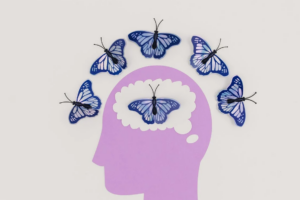
You may have heard your stomach grumble a few times when you were particularly stressed or angry in the military. Or perhaps you’ve felt butterflies in your stomach when you were pleased with what you saw. This connection between your stomach and your brain is called the gut-brain axis.
The Gut-Brain Axis
Your gut-brain axis is made of three major parts:
- Enteric nervous system (ENS). Your ENS is a second brain composed of neurons lining your digestive tract. It controls your digestion, diet responses, and nutrient absorption.
- Vagus nerve. The vagus nerve is the main communication channel between your ENS and the brain.
- Gut microbiome. There are trillions of bacteria that live in your gut. They assist in your digestion and can influence your mood, sleep, and overall health.
How Your Gut Communicates With The Brain
With the help of the vagus nerve and the more complex networks of your body, your gut and brain can easily communicate. Here are some illustrative examples of how that works:
- Gut to brain. Your ENS sends signals about your gut health to the brain. This may affect your brain function, such as how quickly your brain can process new information.
- Brain to gut. Certain emotions, such as stress, can trigger your brain to send signals to your gut. This is why you may feel some digestive discomfort when you’re anxious.
The Gut Microbiome And Alcohol Addiction
Excessive alcohol use can disrupt the balance of your gut microbiome. More precisely, it can risk the death of healthy bacteria or promote the growth of harmful ones. In the worst cases, alcohol addiction can do both. This causes a gut imbalance called dysbiosis.
Research regarding the connection between your gut and your brain is still developing. However, there are a lot of theories that dysbiosis can disrupt the communication between your gut and your brain.
- Neurotransmitter alteration. Dysbiosis can alter your neurotransmitter (such as dopamine) levels, potentially making you more prone to alcohol cravings.
- Stress. Chronic alcohol use leads to anxiety. In turn, this affects your gut health. However, poor gut health could also cause more stress, perpetuating alcohol use.
Gut Health and Recovery from Alcohol Addiction
While an imbalanced gut microbiome harms your health, the opposite is true for a healthy one.. Here’s how a healthy gut can ensure a smooth sailing recovery:
- Improved nutrient absorption. A balanced gut microbiome allows your body to absorb essential nutrients and maintain overall well-being during recovery.
- Reduced cravings. A healthy gut microbiome regulates your neurotransmitter levels, potentially easing alcohol cravings and making them more tolerable.
- Enhanced mood. Good gut health contributes to better emotional management, making you less prone to drinking alcohol during stressful situations.
How to Treat Alcohol Addiction
While traditional techniques such as therapy and medication are proven helpful for SUD challenges, research suggests that a healthy gut microbiome can support your recovery efforts and reduce your risks of relapse.
Here are a number of ways your gut health can be integrated to your treatment:
- Nutritional counseling. You could get a personalized plan from a nutritionist to ensure you’re taking the essential nutrients.
- Probiotic supplementation. Probiotic supplements could help restore balance in your gut microbiome.
- Fecal microbiota transplant (FET). FET involves transplanting healthy gut bacteria from a donor to restore your healthy gut bacteria.
Benefits Of Integrating Gut Health To Addiction Treatment
Addressing both the physical and psychological aspects of addiction by incorporating gut health can yield the following benefits:
- Boost overall health. A healthy gut microbiome supports nutrient absorption, the immune system, and mental health.
- Reduced relapse risks. Addressing the potential link between gut health and addiction cravings could reduce your risk of relapse.
- Enhanced treatment outcomes. Incorporating gut health maintenance could improve the efficiency of your treatments and support long-term recovery.
Practical Tips for Improving Gut Health
Having a professional guide you in improving your gut health is great, but you could support yourself, too. Here are some practical tips you could start today:
Dietary Changes
- Increase your fiber intake. Aim for 25-35 grams of fiber every day by adding fruits, vegetables, whole grains, and legumes to your diet.
- Probiotics and prebiotics. Replenish your gut bacteria by eating yogurt and kimchi, and support your current ones by eating more onions, garlic, and bananas.
- Limit processed food. When and if you’re able, focus on eating unprocessed food. It would also be a good idea to limit your added sugars.
Lifestyle Changes
There is more to a healthy gut than the food you’re eating. Here are some activities to work on for a healthier one:
- Manage stress. Participate in relaxation techniques such as yoga, meditation, or a creative hobby.
- Stay hydrated. Drink the recommended eight glasses of water a day if you’re able.
- Get enough sleep. Adequate and good quality sleep is crucial for your overall health. Aim for 7-8 hours of sleep each night.

In Conclusion
There is no doubt that your gut and brain are intricately connected. However, what’s clear is that your gut health has a huge impact on your overall well-being. Therefore, it is also crucial for treating substance use.
The good thing is that maintaining and supporting your gut health doesn’t have to be complicated. Simple dietary changes, eating probiotics and prebiotics, and engaging in stress-relieving activities can do wonders for managing SUD challenges. If you want to know more about how you can specifically integrate gut health care into your alcohol and drug use treatment plans, contact us at Pacific Crest Trail Recovery today!