
Key Takeaways
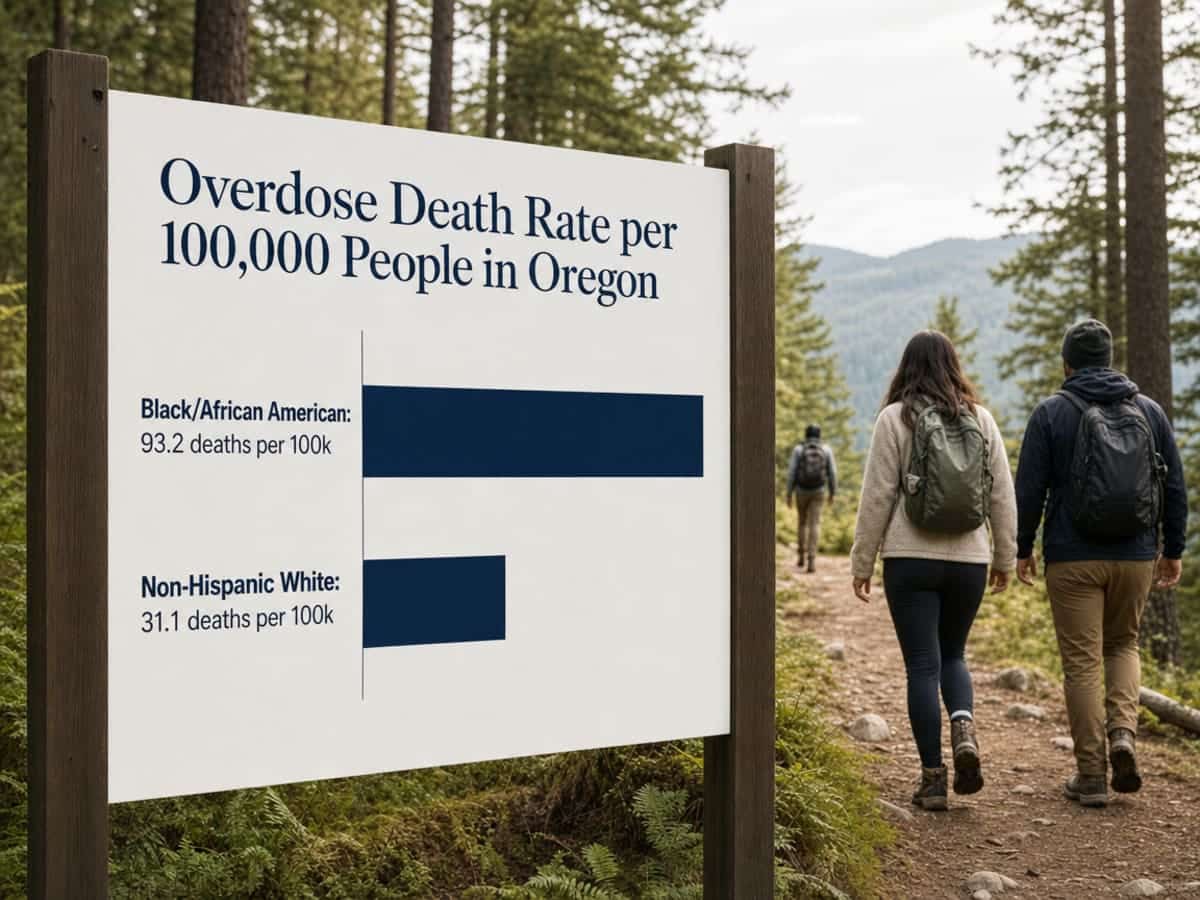
- Oregon’s overdose crisis falls unevenly, with Black Oregonians dying at roughly three times the rate of white Oregonians and Indigenous communities also disproportionately affected 7.
- Culturally and Linguistically Specific Services is a defined state standard, not a marketing phrase, and providers can be formally designated and paid enhanced Medicaid rates to deliver it 10.
- How a program handles your name, language, family, food, and faith on the first call reveals whether cultural respect is built into the care or just decoration.
- OHP members should ask their Coordinated Care Organization for a state-designated CLSS provider, while privately insured people in the Portland metro can call Pacific Crest Trail Detox directly.
What You’re Really Asking When You Search for Culturally Respectful Detox
When you typed “minority addiction treatment Oregon” into a search bar, you probably weren’t looking for a policy briefing. You were looking for a place that won’t make you feel small. A place where nobody assumes what you need before they ask. A place where your accent, your family, your faith, or your history with the medical system doesn’t become the reason you get worse care.
That fear is not in your head. If a nurse ever rushed you, a doctor talked past you, or an intake worker acted like your pain was exaggerated, you learned something about safety that’s hard to unlearn. Bringing that memory into a detox conversation is not weakness. It’s information. And you deserve a program that treats it as such.
Here’s what this guide will actually do for you. It will translate Oregon’s rules and programs into plain language, so you know what to ask for and what to expect. It will show you what a respectful detox looks like from the inside, not from a brochure. It will be honest about who Pacific Crest Trail Detox can and can’t serve, and it will point you toward other options when we’re not the right fit.
You don’t have to have the words yet. Reading this counts as a step. The next section starts with what Oregon’s data says about who is being hurt the most right now, because your fear has a context, and that context matters.
Who Oregon’s Overdose Crisis Is Hitting Hardest
You may already sense this in your community, even if no one has put a number to it. The overdose crisis in Oregon is not spread evenly. Some communities are burying people at rates that would trigger a state of emergency if they happened anywhere else.
If you are reading this for yourself or someone you love, that gap is not just a statistic. It is the reason a family member didn’t call for help until it was too late. It is the reason a friend left detox early because no one there spoke to them like a person. It is the weight you carry into every waiting room.
The causes behind that gap are not a mystery to the people living it. Fewer providers who share your background. Language barriers at intake. A long memory of being dismissed, over-policed, or under-medicated in medical settings. Oregon’s own gap analysis names these directly, pointing to insufficient culturally relevant services and a workforce that does not match the state’s demographics 4. When you couldn’t find care that felt safe, that was the system failing, not you.
What this means for you tonight is simple. If the fear of being misunderstood has kept you from picking up the phone, that fear is grounded in real patterns, and it deserves to be answered with real change, not reassurance. The next section explains what Oregon means when it talks about “culturally and linguistically specific” care, in words you can actually use when you call a program.
What ‘Culturally and Linguistically Specific’ Actually Means in Plain Language
“Culturally and linguistically specific.” It sounds like something out of a grant application. And honestly, it kind of is. But underneath the paperwork, the idea is simple, and it matters for what you can expect when you walk through a door.
Oregon’s own rule defines this kind of care as services“designed specifically for a distinct minoritized cultural community” and built “to enhance emotional safety, belonging, and a shared collective cultural experience for healing and recovery”5. Strip the formal language away and it means this: a program shaped from the inside by the people it serves, not decorated from the outside to look welcoming.
In practice, that shows up in small, specific ways:
- Staff who speak your first language without you having to ask twice, or a trained interpreter who stays through the whole intake, not just the first ten minutes.
- Food that doesn’t feel like a punishment.
- A schedule that leaves room for prayer, for smudging, for a family member to sit with you.
- Group sessions where you’re not the only person in the room carrying your history.
- Intake questions that ask how you want to be seen, instead of guessing.
The Oregon Health Authority puts it plainly: these services are grounded in a community’s languages, values, and lived experiences 2. They aren’t add-ons. They’re the design.
Here’s what that means for you as a person choosing a program. “Culturally specific” is not the same as “we have a diversity page on our website.” It’s a specific standard the state has written down, and you can ask any provider whether they meet it. Some programs are formally certified under this framework. Others, like Pacific Crest Trail Detox, aren’t state-designated CLSS providers but still practice cultural respect as part of how they run medical detox in a house-like setting, so you’re treated as a whole person from the first phone call.
Both paths can be right, depending on your coverage and what you need. The next section explains why finding either one is harder than it should be, so you know the search isn’t a personal failure.
Why Finding This Care Is Harder Than It Should Be
If you have already made a few calls and hit dead ends, please hear this: the problem is not that you didn’t try hard enough. The math is against you, and the math is not your fault.
Oregon’s own gap analysis names the shortage bluntly. There are not enough culturally relevant services, there is limited language support, and the workforce that treats addiction does not match the racial and ethnic makeup of the state. The report specifically flags prescriber gaps for Black/African American, American Indian/Alaska Native, Native Hawaiian/Pacific Islander, and multiracial Oregonians 4. When you searched for a provider who looked like you, spoke your language, or understood your family, and came up empty, you were looking through a door the state has already documented as too narrow.
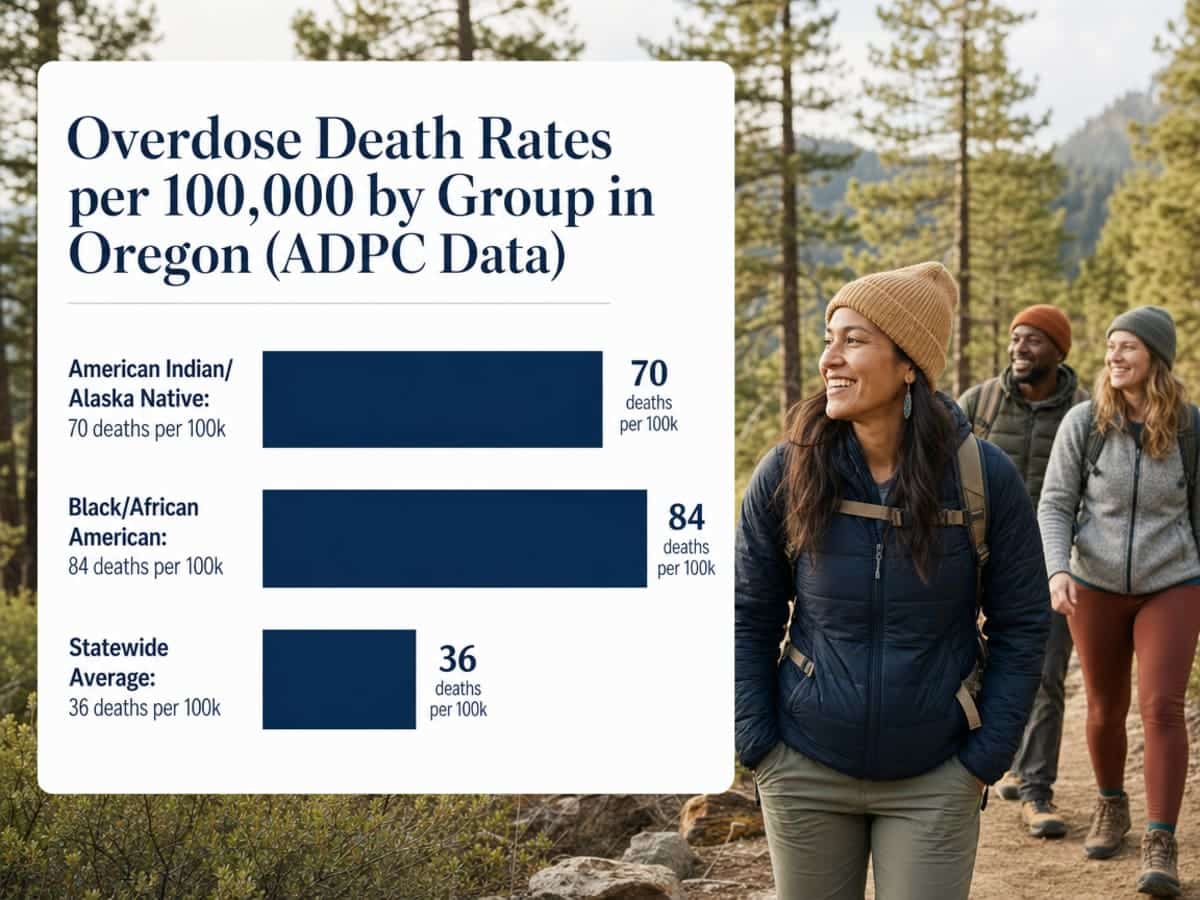
Meanwhile, the need keeps growing. The Alcohol and Drug Policy Commission’s 2026 report puts the overdose death rate for American Indian and Alaska Native Oregonians at 70 per 100,000 and for Black or African American Oregonians at 84 per 100,000, compared with a statewide rate of 36 per 100,000 6. Two of the communities with the fewest matched providers are the same two communities losing the most people. That is the gap in one sentence.
None of this means good care doesn’t exist. It means the search takes more energy than it should, and you may have to ask harder questions of every program you call. It also means that when a program answers those questions with real specifics instead of a brochure line, that answer is worth trusting. The next section shows you how Oregon is trying to close this gap on the provider side, so you know what to expect when you push for better.
How Oregon Is Paying Providers to Do This Work
Here’s something that helps to know when you’re evaluating any Oregon program: the state has put real money behind culturally specific care, not just policy language. That matters because it tells you this work isn’t a favor a program does on the side. It’s something Oregon is actively funding as core clinical service.
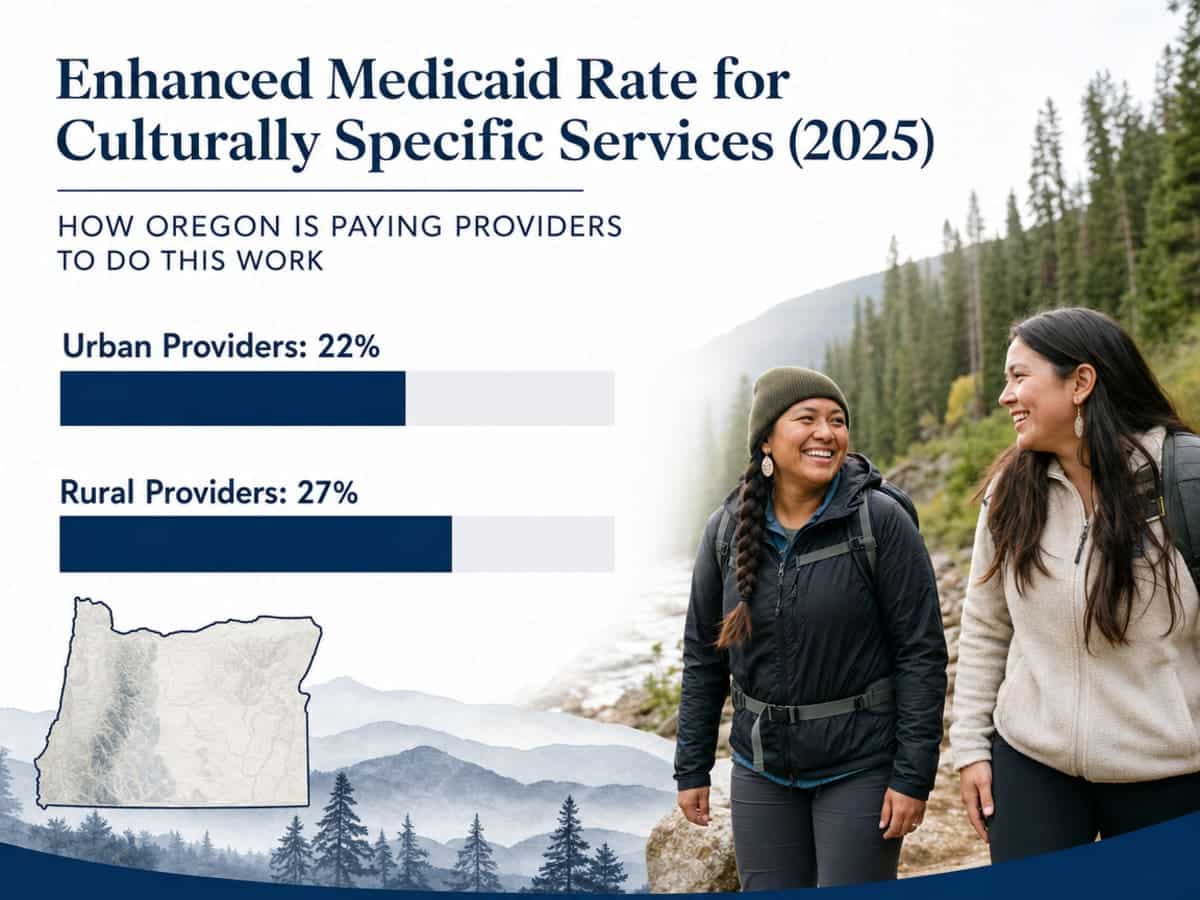
As of 2025, the Oregon Health Authority pays qualifying providers of Culturally and Linguistically Specific Services an enhanced Medicaid rate on top of standard reimbursement: 22% more for urban providers and 27% more for rural providers 10. Those percentages exist because delivering care in someone’s first language, hiring staff from the communities being served, and building programming around specific cultural practices costs more to do well. The rate acknowledges that cost instead of pretending it isn’t there.
In July 2025, OHA expanded these enhanced directed payments to include residential substance use disorder services and Traditional Health Workers providing CLS services to Oregon Health Plan members 3. That expansion is the reason more OHP-covered residential detox and recovery programs are now able to build out culturally specific offerings without going broke doing it.
What this means for you as a person looking for care: when a program tells you they offer culturally specific services under Oregon’s CLSS framework, there’s a paper trail behind that claim. They’ve had to meet a state definition, document their community focus, and qualify for the enhanced rate. You can ask a program directly whether they’re a state-designated CLSS provider, and the answer should be a straight yes or no, not a soft pivot to their diversity statement.
If you don’t have OHP, the enhanced rate doesn’t apply to your care, and CLSS designation isn’t the same signal. In that case, the question shifts to how a program actually treats you, which the next two sections walk through in specifics you can use on the phone tonight.
Signs a Detox or Treatment Program Actually Respects Who You Are
You can usually tell within the first phone call. Not from what a program says about itself, but from what it does with the small stuff. The details are where respect lives or doesn’t.
Watch how the intake worker handles your name. If they stumble, do they ask how to say it correctly, or do they push through with something close enough? Someone who cares about the first thing will probably care about the rest. If you mention that English isn’t your first language, does the conversation slow down, or does the person start talking faster and louder? A program that has real language access will offer an interpreter before you have to ask, and that interpreter will stay for medical conversations, not just the paperwork.
Ask what a normal day looks like. Listen for whether family is treated as part of your recovery or as an interruption. Ask about food, honestly. If the answer is a shrug or a generic “we accommodate dietary needs,” that tells you something. If the answer includes specific examples, meals that don’t feel foreign to your body after a week of withdrawal, that tells you something else.
Ask about faith and spiritual practice without softening the question. Prayer times, a quiet space, room for a smudge, a chaplain who won’t try to convert you, an elder or family member allowed to visit. Oregon’s own rule frames culturally respectful care as service that builds“emotional safety, belonging, and a shared collective cultural experience for healing and recovery”5. That’s not decoration. That’s the standard you’re allowed to hold any program to, whether they carry the state’s CLSS designation or not.
Pay attention to what staff do when you name a hard experience. If you say a past provider dismissed your pain and the person on the phone gets defensive, that’s your answer. If they slow down, thank you for telling them, and ask what would make this time feel different, keep talking. At Pacific Crest Trail Detox, that kind of listening is part of how medical detox happens in a house-like setting, not a hospital ward, so you’re met as a whole person from intake forward.
Questions to Ask Any Oregon Detox Before You Say Yes
You don’t need a script. You need a short list of questions that push past the friendly voice on the other end of the line and get to how a program actually operates. Write these down before you call, because withdrawal fog is real and you deserve to remember what they said.
Are you a state-designated CLSS provider under Oregon’s Culturally and Linguistically Specific Services framework? This should get a clean yes or no. If yes, ask which specific community they were designed to serve, because the Oregon rule defines this care as “designed specifically for a distinct minoritized cultural community” 5. If no, ask how they practice cultural respect anyway. A thoughtful program will have a real answer, not a pivot.
What happens at intake if I don’t speak English as my first language? Listen for whether a live interpreter joins the call, whether that interpreter stays for medical assessments, and whether written materials come in your language. Oregon’s own gap analysis flags language access as a documented shortage 4, so a program that has solved this has done real work.
Who is on your clinical and support staff, and how are they trained on cultural humility? You’re not asking for demographics. You’re asking whether training is ongoing or a one-time slide deck.
How do you involve family, elders, or a chosen support person during detox? Ask about visiting hours, phone access, and whether a family member can sit in on a treatment planning conversation.
What does a normal meal look like, and can you accommodate specific cultural, religious, or dietary practices? If the answer is specific, that’s a good sign.
How do you handle spiritual practice? Prayer times, a quiet room, smudging, a chaplain who won’t proselytize.
What insurance do you accept, and what will I actually owe? Get numbers, not ranges. If they can’t tell you, ask when they can.
If any answer makes you feel smaller, that’s your cue to try the next number. You are hiring them, not the other way around.
If You Have Oregon Health Plan Coverage
If OHP is your coverage, this part matters, because it changes where you should be looking first. Pacific Crest Trail Detox does not accept Oregon Health Plan, and we want you to know that up front so you don’t spend energy on a door that isn’t open to you tonight.
The good news is that OHP is exactly the coverage the state’s Culturally and Linguistically Specific Services framework was built around. Since July 2025, OHA has expanded enhanced directed payments to residential substance use disorder services and Traditional Health Workers delivering CLS services to OHP members 3. That means more OHP-covered detox and recovery programs can now afford to staff up in your language, hire from your community, and build care around your cultural practices instead of layering them on top.
When you call an OHP-covered program, ask directly whether they are a state-designated CLSS provider and which community they were designed to serve. Ask what happens if their current CLSS slots are full. Ask about wait times, because wait times are where good intentions fall apart. You can also ask your Coordinated Care Organization case manager to help you find CLSS-designated options in your area. That call is one you’re entitled to make.
Where Pacific Crest Trail Detox Fits for Insured Clients in the Portland Metro
If you carry private insurance and you’re somewhere in the Portland metro or the broader Pacific Northwest, this is where we can be direct about what we offer and how we work. Pacific Crest Trail Detox is a medical detox program in Milwaukie that runs out of a house-like setting, not a hospital ward. We’re not a state-designated CLSS provider under Oregon’s Culturally and Linguistically Specific Services rule, and we want you to hear that clearly so you can weigh it against what you need.
What we do offer is medical detox for alcohol, opioids, and benzodiazepines with a doctor and nursing team who take withdrawal seriously, especially the kinds that can turn dangerous fast. From there, you can step into a partial hospitalization program, intensive outpatient, or standard outpatient care, so the person who meets you at your worst is connected to the people who walk with you after. Aftercare and alumni support are built in, because detox on its own doesn’t hold.
The cultural respect piece is not a marketing line for us. It’s the way intake asks about your family, your faith, and what has gone wrong for you in medical settings before. It’s a small residential feel where you’re not one of forty patients on a ward. It’s staff who slow down when you name something hard. Oregon’s own framework describes culturally respectful care as building“emotional safety, belonging, and a shared collective cultural experience for healing and recovery”5, and while we don’t carry the state’s CLSS designation, that standard is one you’re allowed to hold us to on the phone.
Call us, ask your questions, and see how it feels. Recovery that respects who you are — that’s the bar.
A Small Next Step Tonight
You don’t have to decide everything right now. You only have to decide the next one thing.
If you have private insurance and you’re in the Portland metro or nearby, that next thing can be a phone call to Pacific Crest Trail Detox. Ask us the questions from earlier in this guide. Notice how it feels to be on the other end of the line. Recovery that respects who you are — that’s what we’re here for.
If you have OHP, your next call is to your Coordinated Care Organization case manager to ask for a state-designated CLSS provider near you. Write down the name of the community that program was built to serve, and ask about wait times.
Either way, you moved tonight. You read this. You know what to ask. That is not a small thing. That is how it starts.
Check Your Coverage for Inclusive Detox Support
Find out if your insurance covers culturally respectful addiction treatment in Oregon.
Frequently Asked Questions
What does ‘culturally specific’ addiction treatment actually mean in Oregon?
In Oregon, it’s a specific standard the state has written into rule. Culturally and Linguistically Specific Services (CLSS) are programs designed from the inside by and for a distinct minoritized community, built around that community’s language, values, and lived experience 2. It’s not a diversity page or a training slide. It’s the design of the care itself, and providers can be formally state-designated to deliver it.
How do I know if a detox program will respect my language, faith, or family?
Listen for specifics on the first call. Do they offer an interpreter before you ask, and does that person stay for medical conversations? Do they describe meals, prayer space, and family visits in real detail, or wave you off with a generic answer? A program that respects who you are will slow down when you name something hard, not get defensive. If a call leaves you feeling smaller, try the next number.
Does Pacific Crest Trail Detox accept Oregon Health Plan (OHP)?
No, we don’t accept OHP, and we want you to hear that up front so you don’t lose a night on a door that isn’t open. If OHP is your coverage, call your Coordinated Care Organization case manager and ask for a state-designated CLSS provider near you. If you carry private insurance and you’re in the Portland metro or Pacific Northwest, medical detox with us is on the table.
What should I ask an Oregon detox before I agree to go?
Ask if they’re a state-designated CLSS provider and, if so, which community they were built to serve. Ask what happens at intake if English isn’t your first language and whether an interpreter stays for medical assessments. Ask how family or an elder can be involved. Ask about meals, prayer time, and spiritual practice. Ask what insurance they take and what you’ll actually owe in dollars, not ranges. Straight answers matter.
Why is it so hard to find a provider who shares my background?
Because the shortage is documented, not imagined. Oregon’s own gap analysis names insufficient culturally relevant services, limited language support, and a workforce that does not match the state’s demographics, with prescriber gaps flagged for Black/African American, American Indian/Alaska Native, Native Hawaiian/Pacific Islander, and multiracial Oregonians 4. When your search kept turning up dead ends, the door was too narrow. That’s a system problem, not yours to solve alone.
I’ve had bad experiences in medical settings before. How do I protect myself this time?
Bring someone you trust to the first phone call if you can, even just on speaker. Say out loud what went wrong before and listen for how the person responds. Ask for the intake worker’s name and write down what they promise about language, family, and pain management. You can leave a program if it stops feeling safe. That’s not failure, it’s information. The right program will meet you as a whole person from the first hello.
References
- Substance Use Disorder Integration Report. https://www.oregon.gov/oha/HSD/AMH/DataReports/SUD-Integration-Report.pdf
- Culturally and Linguistically Specific Services : Oregon Health Plan. https://www.oregon.gov/oha/hsd/ohp/pages/clss.aspx
- Culturally and Linguistically Specific Services (CLSS) Billing Guide. https://www.oregon.gov/oha/HSD/OHP/Tools/CLSS-Billing-Guide.pdf
- Oregon Substance Use Disorder Services Inventory and Gap Analysis Report. https://www.oregon.gov/oha/HSD/AMH/DataReports/SUD-Gap-Analysis-Inventory-Report.pdf
- Adopt: 309-065-0000 – Culturally and Linguistically Specific Behavioral Health Services. https://www.oregon.gov/oha/HSD/HSDRules/Perm309.065.5252023.pdf
- Alcohol and Drug Policy Commission ORS 430.223 Biannual Legislative Report 2026. https://www.oregon.gov/adpc/SiteAssets/Pages/reports/ADPC%202026%20Biannual%20Legislative%20Report%207.1.2026.pdf
- Black/African American Overdose Trends in Oregon. https://www.oregon.gov/oha/PH/PREVENTIONWELLNESS/SUBSTANCEUSE/OPIOIDS/Documents/Black-African%20American%20Overdose%20Trends%20in%20Oregon.pdf
- State of Equity Report – Phase II. https://www.oregon.gov/oha/EI/Reports/State%20of%20Equity%20Report%20-%20Phase%20II%20-%20September%202013.pdf
- Oregon SUD System Assessments and Analyses 2020–25 (Foundational Materials). https://www.oregon.gov/adpc/MeetingDocuments/Foundational%20Materials.pdf
- Culturally and Linguistically Specific Behavioral Health Services – OHA Webinar Slides. https://www.oregon.gov/oha/HSD/OHP/Tools/CLSS-Webinar-Slides.pdf