

Key Takeaways
- In Portland, PCP use rarely stands alone. Oregon’s 2024 overdose data shows fentanyl, meth, and polysubstance exposure drive most deaths, which changes how any detox call should be handled 7.
- The clinical research does not describe a predictable physical PCP withdrawal, but intoxication itself can bring agitation, overheating, psychosis, and muscle breakdown that need emergency care, not a phone screen 1, 2.
- Oregon licenses withdrawal management programs separately from treatment, so ask any Portland-area provider about state licensing, on-site medical oversight, and how they handle alcohol or opioid co-use before committing 9.
- Detox alone is not the finish line. Tolerance drops quickly, overdose risk climbs after discharge without continuing care, and counseling plus co-occurring support is where lasting change actually happens 4, 6.
If You’re Reading This at 2 a.m., Start Here
You’re not overreacting. If you’ve opened a search tab in the middle of the night because something feels wrong, that instinct is worth trusting. Breathe for a second. You’re already doing the hard part by looking.
Here’s the short version, in case you can’t read any further right now:
- If someone has collapsed, stopped breathing, is having a seizure that won’t stop, or is dangerously overheated, call 911.
- For a suspected poisoning, unknown pill, or mixed-drug exposure, call the Oregon Poison Center at 1-800-222-1222, 24 hours a day 11.
- For crisis support or help finding treatment, call or text 988, or Oregon’s Alcohol and Drug Helpline at 800-923-4357 10.
Now the part most PCP articles get wrong. The clinical research does not describe a clean, predictable physical withdrawal timeline for PCP the way it does for alcohol or opioids 1, 2. The real danger usually sits in two places: the acute intoxication itself, and the other substances that are often in the mix in Portland right now, especially fentanyl, meth, or alcohol.
This guide walks you through what’s actually risky, what safe stabilization looks like in Oregon, and how to make a first call without needing to have everything figured out. You don’t. That’s okay. Keep reading when you’re ready.
When PCP Becomes a Medical Emergency
Red-Flag Symptoms That Need 911, Not a Phone Tree
Before anything else, trust what you’re seeing. If the person in front of you looks wrong, really wrong, you don’t owe anyone a diagnosis before you call for help. Here are the signs that mean the moment is medical, not conversational.
Call 911 right now if you see:
- Unconsciousness, or someone you can’t fully wake up
- Breathing that has stopped, slowed, or sounds like gurgling or snoring
- A seizure, especially one that lasts more than a few minutes or repeats
- Skin that feels dangerously hot to the touch, soaked in sweat, or a body temperature that keeps climbing
- Severe agitation combined with crushing muscle rigidity, dark urine, or chest pain
- Any injury from a fall, a fight, or a car crash during intoxication
These symptoms line up with the acute medical picture clinicians look for in PCP intoxication, where airway, breathing, circulation, temperature, and neurologic status all need to be stabilized fast 1.
Call the Oregon Poison Center at 1-800-222-1222 if you suspect a PCP exposure, don’t know what someone took, or are watching a mixed-drug reaction unfold and the person is still breathing and responsive. The line is staffed 24 hours a day, every day, and the people on it talk to both families and clinicians 11.
Call or text 988, or Oregon’s Alcohol and Drug Helpline at 800-923-4357, when the person is medically stable but in crisis emotionally, or when you’re trying to figure out where to go next for detox or treatment 10. Making a call doesn’t commit you to anything. It just gets another human on the line with you.
Why Acute Intoxication Is the Real Danger, Not ‘Withdrawal’
A lot of what you’ll read online frames PCP detox as a dangerous physical process, like coming off alcohol or opioids. The clinical picture is actually different, and understanding that difference can take some weight off your chest tonight.
With PCP, the medically dangerous window is usually while the drug is active in the body, not after it leaves. Intoxication can bring on severe agitation, confusion, psychosis, high blood pressure, dangerously elevated body temperature, and rhabdomyolysis, which is muscle breakdown that can injure the kidneys 1. Those are the complications that put people in emergency departments. They need monitoring, cooling, fluids, sometimes sedation, and careful attention to vital signs.
Once the drug clears, most people don’t go through a textbook physical withdrawal syndrome the way they would from alcohol or heroin. Older clinical research following people stopping PCP found strong psychological dependence but did not document a predictable physiological withdrawal 2. That doesn’t mean coming off PCP is easy, as the next section explains. It means the acute risk is highest during the high, not after it.
If you’ve been scared you might die from stopping, that fear is understandable. The more honest worry is the intoxication itself, and anything else you may be using alongside it.
The Honest Truth About PCP Withdrawal
What the Research Actually Says (and Doesn’t)
If you’ve been Googling “PCP withdrawal symptoms day by day,” you’ve probably found a lot of confident-looking timelines. Here’s the thing those pages tend to skip: the clinical evidence for a predictable PCP physical withdrawal syndrome is thin.
One of the most-cited studies on this question followed 37 men going through outpatient treatment for PCP use. Every single participant described psychological dependence, the pull to go back. None reported a physiological withdrawal syndrome of the kind we see with alcohol or opioids 2. That’s a small, older, male-only sample, so it isn’t the final word. But it does push back hard against the idea that your body is about to go through something like an alcohol withdrawal when PCP leaves your system.
The broader clinical review of PCP’s effects reaches a similar place. It describes symptoms that can appear after someone stops using chronically, including low mood, anxiety, irritability, low energy, and disturbed sleep or thinking, sometimes as early as the first day of abstinence 1. What it does not describe is a universally accepted, hour-by-hour physical withdrawal protocol like the ones used for benzodiazepines or alcohol.
So why does this matter at 2 a.m.? Because fear of “the shakes” or “a seizure from quitting PCP” keeps people from reaching out. The real risks are different, and knowing that can make calling feel less impossible.
The Psychological Pull: Cravings, Low Mood, Sleep Trouble
Just because PCP doesn’t produce a classic physical withdrawal doesn’t mean stopping is easy. The pull is real, and it tends to live in your head and your mood, not your bloodstream.
In the days after you stop, you may notice depression that settles in like heavy weather. Anxiety that won’t quiet down. Irritability toward people you love. A kind of flat, low-energy fog where nothing feels worth doing. Sleep can get strange, with vivid dreams, insomnia, or stretches where your thinking feels slowed or off 1. Cravings can show up suddenly, often triggered by a place, a person, or a feeling you didn’t see coming.
None of that means you’re broken. It means your brain is recalibrating after a drug that hits it hard. And those symptoms are exactly the ones that make a lot of people use again, not because they want to, but because the discomfort feels unbearable alone in a quiet apartment.
This is where supervised stabilization and real human support start to matter more than any medication protocol. You don’t need to white-knuckle your way through the fog. Being somewhere warm, with people who’ve seen this before and won’t be surprised by any of it, changes how survivable those first days feel.
Why a ‘PCP Call’ in Portland Is Rarely Just About PCP
The Polysubstance Picture Across Oregon
Here’s something worth knowing before you make a call: in Portland in 2025, when someone says “PCP,” they almost never mean just PCP. The street supply is mixed. The way people use is mixed. And the medical risk reflects that.
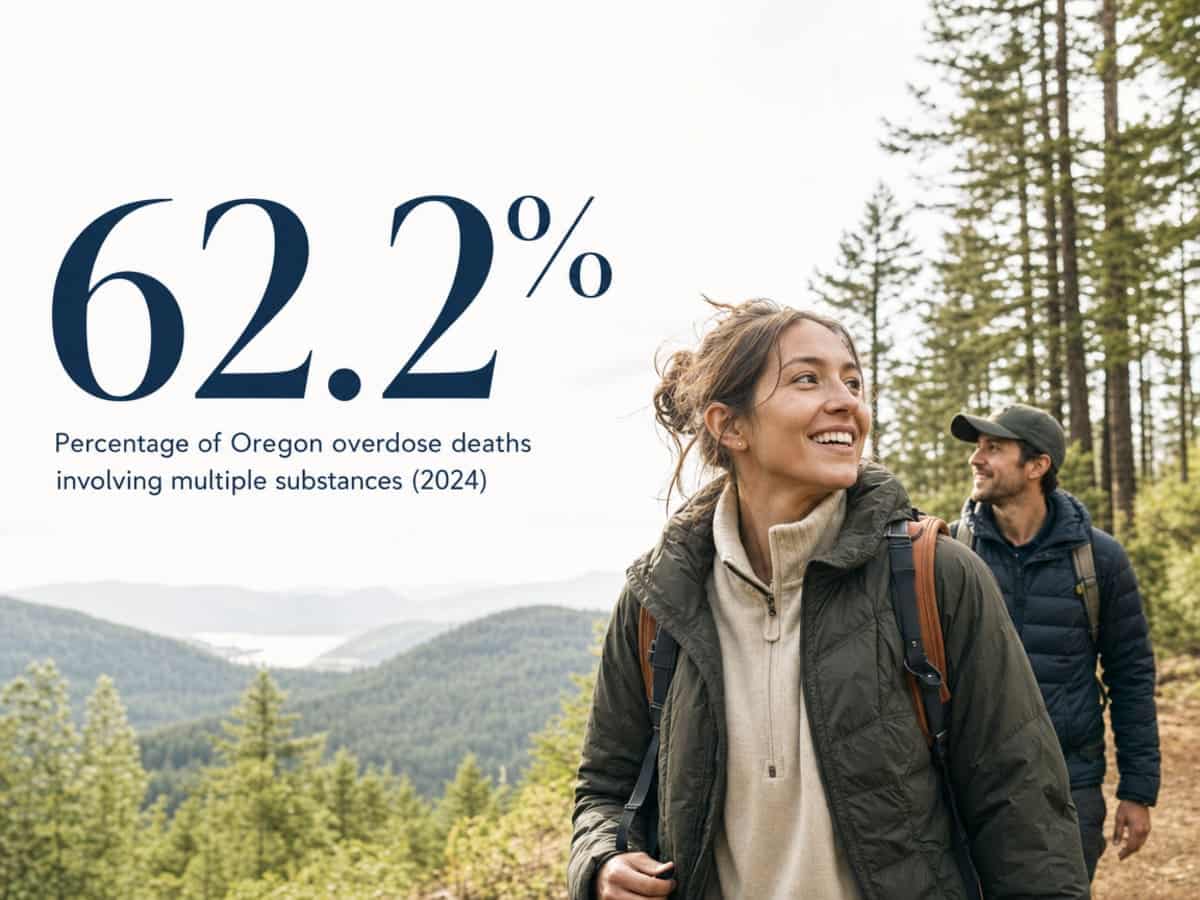
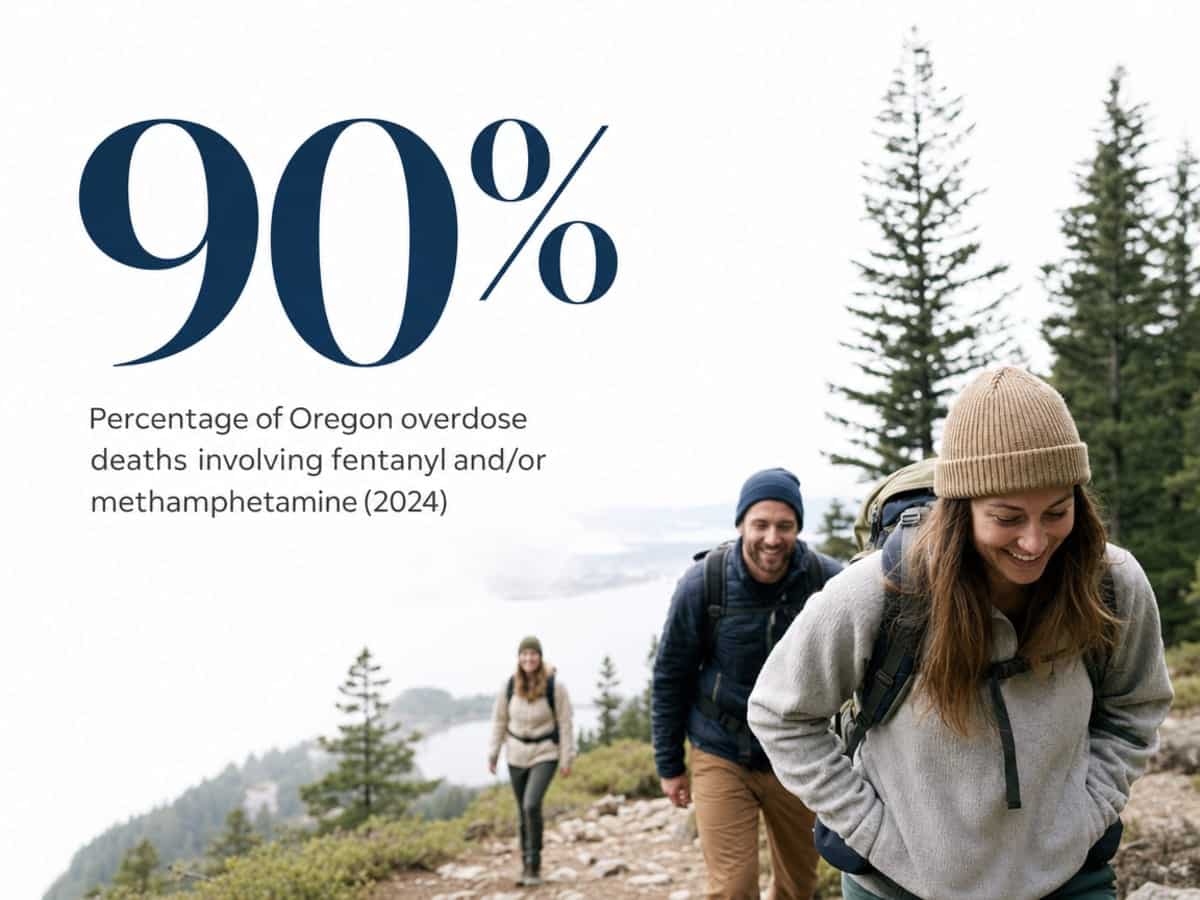
Oregon recorded 1,544 drug-overdose deaths in 2024, down from 1,833 in 2023, the first statewide annual decline since 2016 7. That’s genuinely good news. But the composition of those deaths is what matters for anyone searching for PCP help tonight. More than 90% of those overdose deaths involved fentanyl, methamphetamine, or both. And 62.2% involved multiple substances 7. The deaths are also deeply urban. In 2024, 88% of Oregon’s overdose deaths happened in urban locations, which means the Portland metro is where the risk concentrates 8.
So when an admissions nurse or a 988 counselor asks what else you’ve been using, they’re not judging you. They’re trying to figure out which risks actually need watching. The more honest you can be, the safer the next twelve hours get.
When Alcohol or Opioids Change the Medical Risk
This is the part worth slowing down for. PCP by itself, as the earlier sections explained, isn’t typically what sends people to a withdrawal bed with life-threatening symptoms. Alcohol and opioids are a different story, and they often ride along with PCP use without anyone naming them first.
Alcohol withdrawal can be medically dangerous on its own. Up to half of people with alcohol use disorder have withdrawal symptoms when they stop drinking, and some of those symptoms, including seizures and a condition called delirium tremens, can be fatal without monitoring 3. If you’ve been drinking daily, drinking to steady your hands in the morning, or drinking heavily on PCP nights, that detail changes everything about how the first 72 hours should be managed. Please say it out loud when you call. It isn’t a confession. It’s a safety fact.
Opioids, including fentanyl, bring a different kind of risk. The withdrawal itself is miserable but usually not deadly for an otherwise healthy adult. The deadly part comes later, after your tolerance drops. Returning to the same amount you used before a stretch of abstinence is exactly how fatal overdoses happen 4. This is why detox from any opioid needs to be paired with a real plan for what comes next, including naloxone in your pocket.
None of this is meant to scare you further. It’s meant to explain why the people answering those phone lines ask so many questions. They’re mapping which substance is likely to hurt you first, so the plan actually matches your body, not a template.

What Supervised Stabilization Looks Like in Oregon
Oregon-Licensed Withdrawal Management, in Plain Terms
When people say “detox,” they usually picture something between a hospital room and a scene from a movie. The reality in Oregon is more boring than that, and that’s a good thing.
Oregon regulates substance-use care under two separate rule sets: one for treatment programs and another specifically for withdrawal management programs. Both include service-delivery standards, staffing requirements, and licensing oversight through the Oregon Health Authority 9. In plain terms, a licensed withdrawal management program is a place where the state has already checked that there are trained people on-site around the clock, medical protocols for the substances you’re coming off of, and a chain of accountability if something goes wrong.
You don’t need to memorize the rule chapters. You just need to know that “licensed” means someone with authority has looked under the hood. When you call a Portland-area program, it’s fair to ask whether they’re state-licensed for withdrawal management, who provides medical oversight, and what happens if your situation turns out to be more complicated than a phone screen can catch. Good programs answer those questions without defensiveness.
A House, Not a Hospital Hallway: The Residential Model
Non-hospital residential detox is exactly what it sounds like. Instead of a fluorescent-lit ward with a shared bathroom down the hall, you’re in a house. There’s a kitchen. There are couches. Someone is usually making coffee. Nurses and clinicians work on-site, but the setting looks and feels more like a home than a medical building.
That difference matters more than it sounds. If you’re frightened of hospitals, if you’ve had bad experiences in emergency departments, if the idea of a gown and a clipboard is enough to keep you from calling, a residential model removes a real barrier. You can still get medical attention, medications when they’re clinically appropriate, and 24-hour support. You just get them in a room that doesn’t echo.
The residential model is designed for people whose situation is serious enough to need supervision but not unstable enough to need a hospital ICU. If your symptoms during intake suggest the hospital is safer, a good program will tell you that directly and help you get there.
What the First 24 to 72 Hours Can Feel Like
Nobody can promise you exactly how your first few days will go, because so much depends on what you’ve been using, how long, how much, and what else is in your body. But here’s a general picture that might take some of the mystery out of it.
In the first several hours, you’re likely to meet a nurse and a clinician who ask a lot of questions. Not to judge you. To figure out whether alcohol, opioids, benzodiazepines, or stimulants are also in the picture, because those answers change the plan 3. Your vitals get checked. You might get fluids. If you’ve been using alcohol or opioids too, you may be offered medications that take the edge off those specific withdrawals.
Then comes the quieter part. The first 72 hours can feel like heavy weather in your chest, trouble sleeping, cravings that come in waves, and a mood that drops without warning 1. You eat when you can. You sleep when your body lets you. You talk to people who’ve seen all of this before and don’t flinch. That’s the whole job of those first days. You don’t have to perform recovery. You just have to be there.
Why Detox Alone Isn’t the Finish Line
The Overdose Risk After Lost Tolerance
Here’s the quiet truth most detox brochures skip: the days right after you leave a stabilization bed can be more dangerous than the days before you walked in. Not because detox did something wrong. Because your body did something right.
When you stop using, your tolerance drops fast. The amount that used to feel manageable can become the amount that stops your breathing. This is especially true for opioids, including fentanyl, which may already be in the Portland supply you were exposed to. One state-wide cohort study tracked people after inpatient detoxification and counted 7,624 opioid overdoses following 81,519 discharges, roughly a 9.35% rate. The overdose risk was highest among people who left detox without moving on to further care 6. That number is specific to opioid-involved cases, not PCP alone, but if your use has included any opioid at all, it belongs on the table when you’re planning the next step.
Counseling, Co-Occurring Care, and Continuing Support
So what actually bridges those first clean days into something that lasts? Not willpower. Not a pep talk. A plan, built with people who know you now, that keeps showing up after the suitcase comes home.
For PCP use specifically, that plan leans heavily on counseling, because the pull you’ll feel in week two and week six lives in your head, your mood, and your relationships, not your bloodstream 1, 2. Individual therapy helps you make sense of what pulled you toward the drug in the first place. Group therapy puts you in a room with people who won’t be shocked by anything you say. Family or couples work, when it’s safe, can start repairing the people most tangled up in your use.
Co-occurring care matters just as much. Depression, anxiety, trauma, bipolar disorder, ADHD, chronic pain, all of these ride alongside substance use for a lot of people. Treating one without the other is like bailing a boat without patching the hole.
Continuing support can look like a partial hospitalization program, an intensive outpatient schedule a few evenings a week, standard outpatient check-ins, or alumni gatherings months later. Oregon-licensed programs are set up to move you along that continuum rather than hand you a goodbye packet 9. If an opioid is part of your picture, medications for opioid use disorder paired with residential or structured outpatient care have been linked to substantially lower mortality after withdrawal 5. You don’t have to piece this together alone. A program like Pacific Crest Trail Detox is built to walk you from the first scared phone call through the quieter months that come after. One step at a time counts. You’re already on it.
How to Make the First Call Without Making a Perfect Decision
You don’t have to know what to say. You don’t have to have your insurance card out, a bag packed, or a clean story about how you got here. You just have to dial.
Here’s what actually happens when you call an Oregon detox admissions line. Someone picks up. They ask what’s going on, in regular words. They ask what you’ve been using, how often, and whether anything else is in the mix, including alcohol, fentanyl, meth, benzos, or pills you can’t name. That last question is the important one. Being honest about everything, not just the PCP, is what lets them figure out whether a residential bed is safe for you or whether you should be seen in a hospital first 3.
If you can’t make the call yourself yet, these numbers can hold the space until you can:
- 988 for crisis support and help finding the right level of care, by call or text 10
- Oregon’s Alcohol and Drug Helpline, 800-923-4357, for treatment navigation 10
- Oregon Poison Center, 1-800-222-1222, if you’re not sure what someone took 11
A few things worth knowing before you dial. You don’t need to be sober to call. You don’t need to have decided anything. You can ask what a day there looks like, whether you can bring your phone, how pets or kids or your job will be handled. If one program isn’t the right fit, ask them who is. Good Oregon-licensed programs are used to warm handoffs and won’t leave you stranded on hold 9.
Picking up the phone is not a commitment to the rest of your life. It’s a commitment to the next hour. That’s enough tonight.
Check Your PCP Detox Coverage in Portland Now
Find out if your insurance supports safe, professional PCP detox in the Portland area today.
Frequently Asked Questions
Is PCP withdrawal physically dangerous on its own?
The clinical research doesn’t describe a predictable physical withdrawal syndrome from PCP the way it does for alcohol or opioids 2. What people do experience after stopping is often psychological: low mood, anxiety, irritability, trouble sleeping, cravings 1. Those are hard, but they aren’t typically the kind of thing that stops your heart. Danger usually sits in the intoxication itself or in other substances you’re using.
When should I call 911 instead of a detox admissions line?
Call 911 if someone is unconscious, not breathing right, having a seizure, dangerously overheated, severely agitated with muscle rigidity, or hurt from a fall or crash 1. Those are medical emergencies, not phone-screen situations. A detox admissions line is the right call once the person is awake, breathing, and medically stable but needs help getting off substances safely. When in doubt, 911 first.
What if the person using PCP has also been drinking or using fentanyl?
Say so when you call. Alcohol withdrawal can be life-threatening on its own, with up to half of people with alcohol use disorder experiencing symptoms when they stop 3. Fentanyl changes the overdose picture after any stretch of abstinence, because tolerance drops fast 4. Both details change where someone should go and how the first days get managed. Honesty here isn’t a confession. It’s safety information.
Can someone detox from PCP at home?
Many people stop PCP without a predictable physical withdrawal 2, so a quiet home can work for some. The real risks are different. If severe agitation, psychosis, dangerous overheating, or muscle breakdown show up during intoxication, that’s a hospital moment 1. If alcohol, opioids, or benzodiazepines are also in the picture, home isn’t safe. When unsure, call the Oregon Poison Center at 1-800-222-1222 11.
What happens after the drug clears the system?
You may feel depressed, anxious, irritable, foggy, or exhausted, sometimes within the first day 1. Cravings come in waves. That’s where counseling, co-occurring mental health care, and continuing support do the real work, because the pull with PCP lives in your head and mood 2. Detox by itself isn’t treatment, and stopping there usually leads back to use 4. The next step is what matters most.
How do I help a loved one who isn’t ready to call for help yet?
Stay close without issuing ultimatums. Keep naloxone nearby if any opioid use is possible, since the Portland supply is heavy with fentanyl 7. Save 988 and Oregon’s Alcohol and Drug Helpline, 800-923-4357, in your phone so you’re ready when they shift 10. You can also call those numbers yourself for guidance on what to say 10. Readiness often arrives in small moments, not big announcements.
References
- Phencyclidine Intoxication and Adverse Effects: A Clinical and Pharmacological Review of an Illicit Drug. https://pmc.ncbi.nlm.nih.gov/articles/PMC2859735/
- Outpatient treatment of PCP abusers. https://pubmed.ncbi.nlm.nih.gov/2596441/
- Alcohol Use Disorder: From Risk to Diagnosis to Recovery. https://www.niaaa.nih.gov/health-professionals-communities/core-resource-on-alcohol/alcohol-use-disorder-risk-diagnosis-recovery
- Treatment and Recovery. https://nida.nih.gov/publications/drugs-brains-behavior-science-addiction/treatment-recovery
- Association between mortality rates and medication and residential treatment after inpatient medically managed opioid withdrawal. https://pmc.ncbi.nlm.nih.gov/articles/PMC7854020/
- Opioid overdose and inpatient care for substance use disorder: Findings from a state-wide population study. https://pmc.ncbi.nlm.nih.gov/articles/PMC7928069/
- Oregon overdose deaths declined in 2024, 2025. https://www.oregon.gov/oha/erd/pages/oregon-overdose-deaths-declined-in-2024-2025-05.13.2026.aspx
- 2025 – Opioids and the Ongoing Drug Overdose Crisis in Oregon. https://www.oregon.gov/oha/PH/PREVENTIONWELLNESS/SUBSTANCEUSE/OPIOIDS/SiteAssets/Lists/feature/EditForm/2025%20Oregon%20Opioid%20Overdose%20Report.pdf
- Residential Treatment Facilities: Licensing and Certification. https://www.oregon.gov/oha/hsd/amh-lc/pages/rt.aspx
- Get Help Now: Behavioral Health. https://www.oregon.gov/oha/BH/Lifespan/Pages/Get-Help.aspx
- Contact us | Oregon Poison Center | OHSU. https://www.ohsu.edu/oregon-poison-center/contact-us