


Key Takeaways
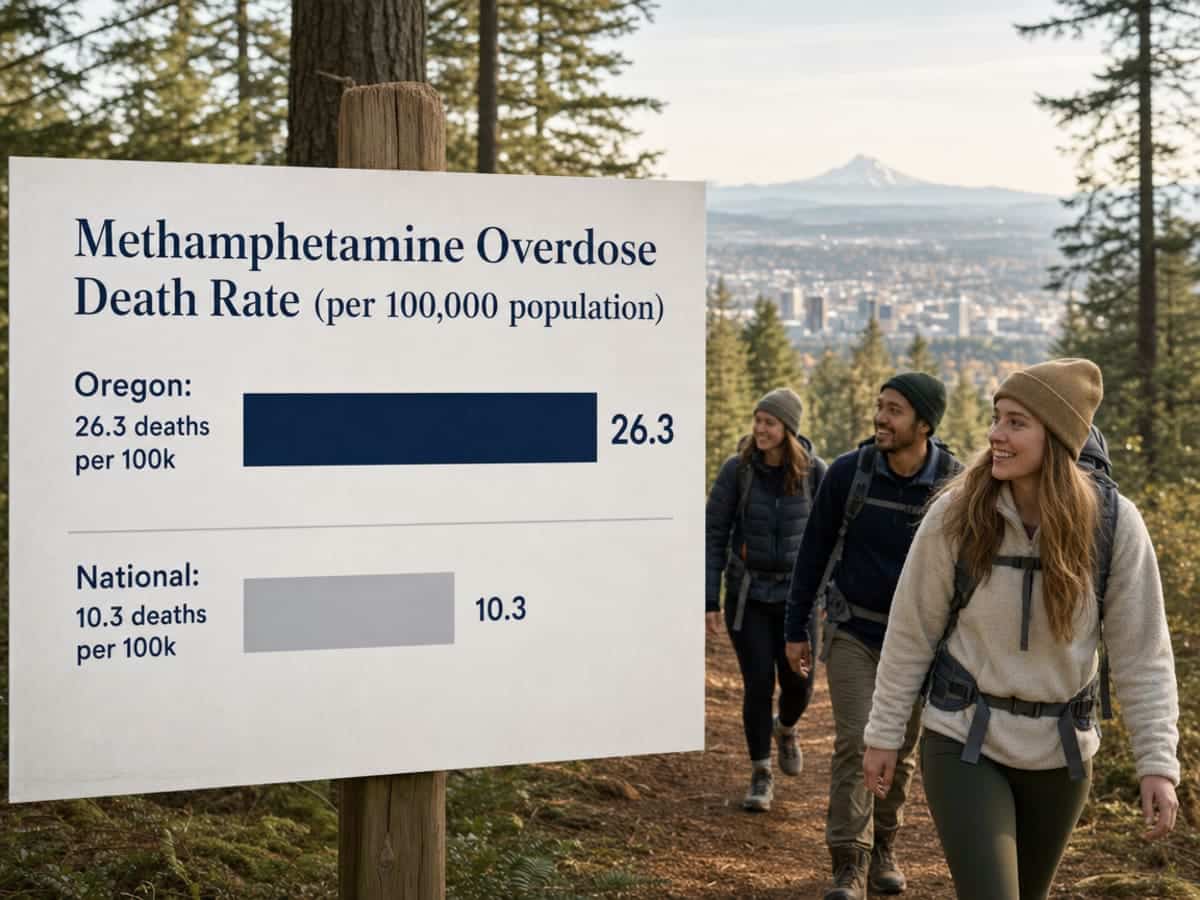
- Portland faces a methamphetamine crisis with an overdose death rate of 26.3 per 100,000 versus the national 10.3, shaping how local detox is delivered 1.
- No medication stops amphetamine withdrawal, so quality Portland programs rely on a calm environment, experienced staff, and support through the day-three crash 5.
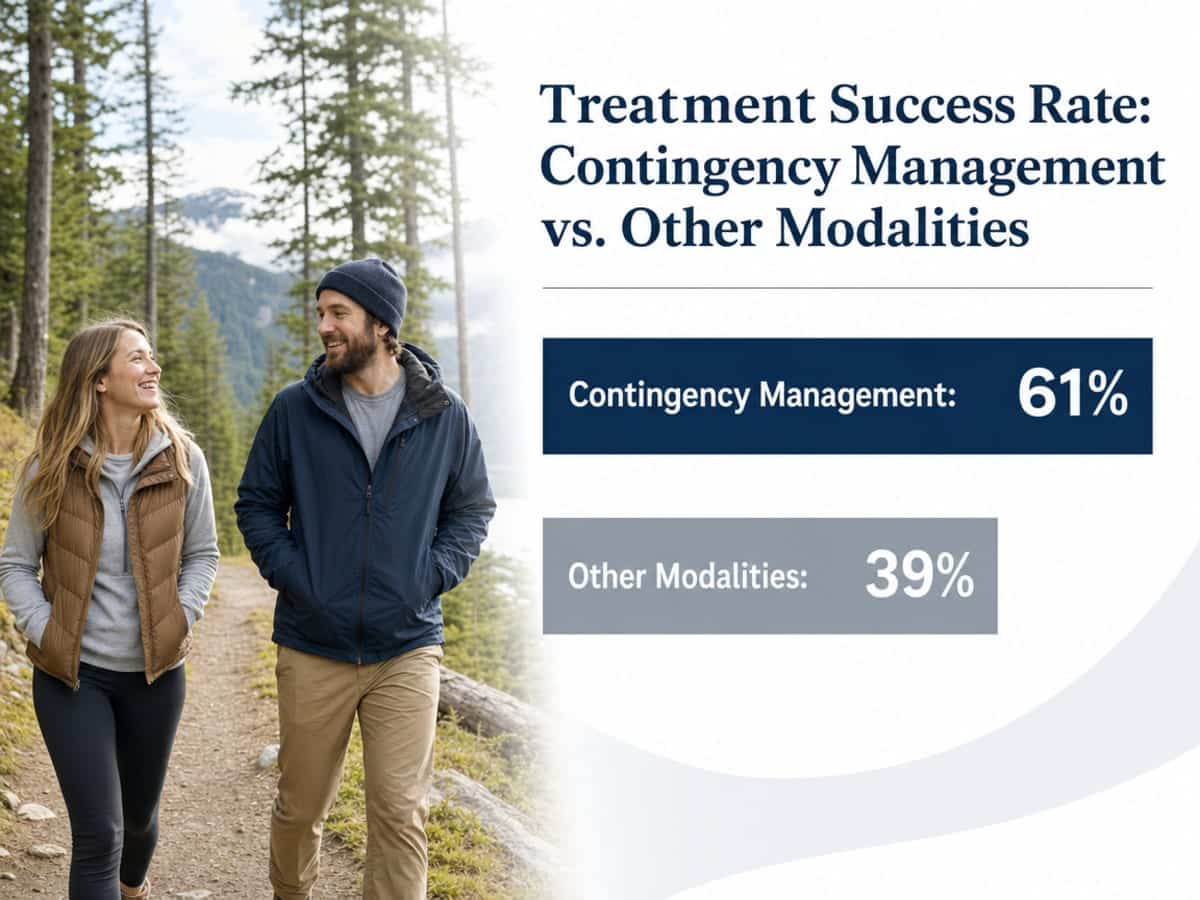
- Contingency management is the ASAM/AAAP standard of care for stimulant use disorder and is linked to 40% lower one-year mortality, making it worth asking about 6, 9.
- Before choosing a program, compare transit access from your neighborhood, OHP or insurance acceptance, contingency management availability, and whether a psychiatric provider can address co-occurring ADHD 10, 11.
The hardest part is deciding, and you’re already doing it
You opened this page, and that’s a significant step. Whether you’re personally struggling with substance use or supporting a loved one, the decision to explore detox options is often the most challenging. Everything that follows is about practical steps.
It’s important to understand that amphetamine and methamphetamine detox differs from opioid or alcohol detox. There isn’t a single medication to instantly alleviate withdrawal symptoms. Instead, effective detox involves a safe, supportive environment, understanding staff who can manage the emotional and physical challenges, and evidence-based behavioral treatments.
This guide is specifically for Portland residents. It addresses the unique local context where methamphetamine has been a dominant street stimulant for years. We’ll cover what withdrawal truly feels like, what a quality local program should offer, and immediate steps you can take, even if you’re not fully ready for detox.
Why amphetamine detox looks different in Portland
Portland has a long history with methamphetamine. Federal drug market analyses have consistently identified ice methamphetamine as the primary drug concern in the region. A significant change is the increasing presence of fentanyl in the drug supply, making polysubstance use more common in emergency rooms and on the streets.
This context is crucial because Oregon’s methamphetamine overdose death rate is significantly higher than the national average, at 26.3 per 100,000 people compared to the national rate of 10.3 per 100,000 1. This indicates a widespread issue that has been developing for a decade.
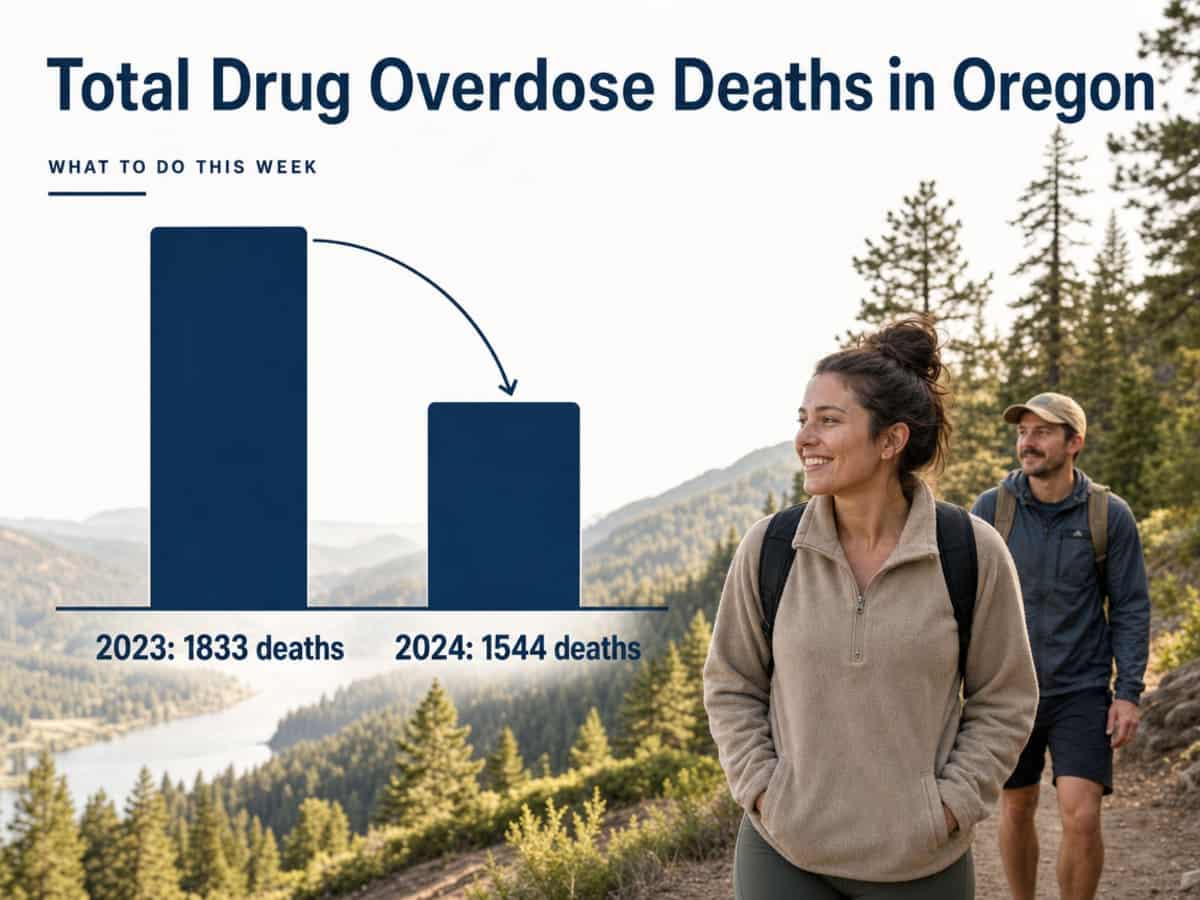
However, there’s positive news: total drug overdose deaths in Oregon decreased from 1,833 in 2023 to 1,544 in 2024 3. This reduction is partly due to increased access to treatment, naloxone, and individuals making the decision to seek help. Your consideration of detox contributes to this positive trend.
The absence of medication to directly treat stimulant withdrawal means that Portland programs must rely on other factors. Unlike opioid programs that can utilize medications, amphetamine detox focuses on the environment, the expertise of the staff, and post-detox support 5. A hospital setting, with its bright lights and clinical atmosphere, is often not ideal for someone needing rest and emotional support. A home-like environment, staffed by experienced professionals, is better suited to address the physical and psychological effects of methamphetamine withdrawal.
What withdrawal actually feels like when the crash hits
The initial phase of withdrawal often involves profound sleep, a deep exhaustion that feels overwhelming. After prolonged stimulant use, your body demands rest, leading to sleep cycles of twelve, sixteen, or even twenty hours. Waking up disoriented and unusually hungry is common, followed by more sleep. This is a normal physiological response as your nervous system attempts to recover.
The emotional impact is typically more challenging. Between day two and day five, a profound sense of apathy or depression can set in. Activities that once brought joy may seem unappealing, and food might lack flavor. The dopamine system, previously overstimulated by methamphetamine, is depleted and needs time to rebalance. This period can bring intense sadness and dark thoughts. Clinical guidelines emphasize that while stimulant withdrawal is generally not life-threatening like alcohol or benzodiazepine withdrawal, monitoring for mood, sleep, and safety is essential 5.
Cravings can also emerge, sometimes as a subtle, rational-sounding urge to use again. This voice is often strongest when you are isolated, tired, or in familiar environments associated with past use. This highlights why attempting detox in the same environment where you used can be particularly difficult; the surroundings themselves can trigger cravings.
What a real detox week looks like when no pill turns it off
Given the lack of specific medication for amphetamine withdrawal, effective local programs are designed around supportive care: a safe space, nutritious food, and staff experienced in managing the “day-three crash” 5. The detox process for stimulants emphasizes protecting you while your body naturally recovers, rather than a medication-tapering schedule.
The first 48 hours are typically dominated by deep sleep. Staff will regularly check on you, monitor your vital signs, and allow ample rest. You won’t be expected to participate in early morning activities. If you haven’t eaten properly, a nurse will gradually introduce simple foods and fluids. Background monitoring includes blood pressure, heart rate, hydration, and any co-occurring health conditions like high blood pressure or untreated diabetes.
Days three through five often mark the peak of mood disturbances. During this time, supportive staff are crucial. A psychiatric provider may assess whether the depression is solely withdrawal-related or if it indicates an underlying condition requiring separate treatment. Sleep patterns can be severely disrupted, and appetite may return erratically. Emotional expressions vary, from crying to quiet introspection, both of which are considered normal responses.
By the end of the first week, most individuals begin to establish more regular sleep patterns, eat consistent meals, and can engage in short group sessions or one-on-one conversations without significant discomfort. This timeline is not absolute; some crashes are shorter, while others, especially after prolonged heavy use, can extend beyond ten days. A quality Portland program provides a comfortable, non-clinical environment, staff who are unfazed by the challenges of withdrawal, and a clear plan for continued care once you are stable enough to leave.
What actually works after the crash
Once the initial detox phase passes and physical recovery begins, the focus shifts from managing withdrawal to preventing relapse. Detox alone is rarely sufficient for long-term recovery. The most effective strategies for stimulant recovery are behavioral, not pharmaceutical.
Contingency management: small rewards, serious evidence
Contingency management (CM) is a treatment approach where individuals receive small incentives, such as vouchers or gift cards, for submitting drug-negative urine samples on a scheduled basis. This intervention, though often unfamiliar, is recognized as the standard of care for stimulant use disorder in the 2024 ASAM/AAAP clinical practice guideline 6. If a Portland program treating amphetamine use doesn’t mention CM, it’s a point worth noting.
CM’s effectiveness is supported by strong evidence. A meta-analysis indicated that CM led to successful treatment outcomes in 61% of cases, compared to 39% with other modalities 8. This significant difference is notable, especially since most medications tested for stimulant use disorder (e.g., antidepressants, disulfiram) have not demonstrated sufficient evidence for recommendation 7.
While some may question the idea of “paying people to stay off drugs,” research shows that small, consistent rewards for verified clean tests engage the same dopamine pathways that stimulants once hijacked. This provides the brain with a tangible goal during recovery. Rewards are typically modest, like gas cards or grocery vouchers, and increase slightly with continued negative tests. This approach offers a practical alternative when old habits might otherwise prevail.
A program committed to stimulant recovery in Portland should be able to explain if they offer CM, how the reward system operates, and how it integrates with counseling and aftercare plans.
Why this matters beyond staying abstinent
While abstinence is a primary goal, a deeper, often unspoken objective is survival. This perspective should influence your choice of program.
For someone considering CM at a Portland facility, this mortality reduction is a compelling reason. You’re not just aiming for abstinence; you’re significantly improving your chances of a longer, healthier life. The behavioral interventions offer more than what appears on paper; they provide crucial time for other aspects of your life to stabilize and improve.
Counseling, sleep, and the long tail of recovery
Contingency management is a powerful tool but not a complete solution. It is most effective when integrated with broader support systems. Cognitive behavioral therapy, motivational interviewing, and group work are all recommended pairings in the ASAM/AAAP guidance, and most Portland programs will offer a combination of these 6. The key is whether the counseling addresses your real-life circumstances—your employment, housing, and relationships—or feels generic.
Sleep is another critical, often overlooked, factor. The brain’s dopamine system can take weeks or months to fully reset, leading to persistent sleep disturbances, low mood, and reduced motivation long after stimulant use has ceased. An effective aftercare plan will address these symptoms proactively to prevent them from becoming triggers for relapse.
While detox typically lasts about a week, sustained recovery requires months of effort. When evaluating programs, inquire about their strategies for bridging the gap between the initial detox period and long-term recovery.
When ADHD and stimulant use disorder show up together
Many individuals who use methamphetamine or non-prescribed amphetamines initially find that the drug helps them focus and reduces mental clutter, especially if they have undiagnosed or undertreated ADHD. This initial experience can feel like relief rather than simply getting high. Acknowledging this is not an excuse but valuable information for a comprehensive treatment program.
In Oregon, prescribing guidelines state that stimulants should not be prescribed for stimulant use disorder without an ADHD diagnosis, unless by an addiction medicine specialist or psychiatrist 11. This doesn’t preclude ADHD treatment if both conditions are present, but the assessment must be thorough. It’s usually conducted after the acute detox phase, once the brain has had sufficient time off stimulants for an accurate evaluation. A rushed Adderall prescription early in recovery is generally not appropriate; a thoughtful evaluation several weeks later, combined with contingency management and counseling, may be beneficial.
When contacting programs, ask if they have a psychiatric provider on staff and if they have experience treating co-occurring ADHD and stimulant use disorder. Their response will indicate their level of expertise in this area.
Getting there: neighborhoods, transit, and who a Portland program should serve
Your location in Portland significantly impacts the logistics of accessing detox. For residents in East Portland or near Gresham, reaching a reputable detox facility might involve multiple public transit transfers and walking, which can be challenging during withdrawal. While areas like the Pearl and inner Southeast are more transit-accessible, they are not where most individuals needing detox reside.
Access to treatment is not uniform. Portland State University research indicates a citywide poverty rate of 14.9%, with significantly higher rates in parts of East and outer North Portland 12. These are also the areas with the longest and deepest history of methamphetamine use 4. A program claiming to “serve the Portland area” but requiring a car, a driver, and flexible time off work may not effectively reach those most in need.
Look for facilities that assist with transportation on intake day, are accessible via TriMet for family visits, and consider areas like Milwaukie or Gresham within their service range. Inquire about their intake process for someone arriving by bus with minimal belongings and no phone charger; their answer will reveal much about their commitment to serving diverse populations.
Paying for it without derailing the decision
Concerns about cost often deter individuals from seeking help. Here’s an overview of payment options in Portland to help you navigate this aspect.
If you have commercial insurance through your employer or the marketplace, most Oregon plans include substance use treatment benefits, and medically necessary detox is typically covered. Contact your insurance provider’s member services to confirm coverage for stimulant use disorder detox and to identify in-network facilities in the Portland area. You don’t need to share your full story; simply stating you’re inquiring about detox coverage is sufficient.
For those on the Oregon Health Plan (OHP), behavioral health services, including substance use treatment, are covered, though specific rules and authorizations may vary 10. It’s important to note that not all private detox facilities in the Portland metro area accept OHP. Directly ask programs about their OHP acceptance. If a program doesn’t accept your plan, ask for recommendations of facilities that do; a caring program will assist you.
If you lack insurance, do not hesitate to call. Inquire about sliding-scale fees, county-funded beds, or assistance with enrolling in coverage during intake. The potential long-term costs of not seeking help are almost always greater than the cost of making that initial call.
What to do this week
You don’t need to be ready to check into a facility tomorrow. The goal for this week is to make one small, tangible move that connects you with support. This could be a call, a text, or a conversation with someone you trust.
Consider these steps:
- Document your substance use patterns—what you use, how much, and how often. This information will be helpful for intake conversations.
- Locate your insurance card or, if you’re on the Oregon Health Plan, your member ID; OHP covers behavioral health benefits, including substance use treatment, though facility acceptance varies 10.
- Select two Portland-area detox programs and call both. Ask if they treat stimulant use disorder, if they offer contingency management, and what the initial 24 hours look like for someone in acute withdrawal.
If making a call feels overwhelming today, simply confide in one person about what you’re considering. That alone is progress. The improvement in Oregon’s overdose numbers last year is a testament to thousands of individuals making difficult calls 3. You have the right to be one of them.
Check Your Coverage for Portland Amphetamine Detox
Find out if your insurance covers local detox and support for amphetamine recovery.
Frequently Asked Questions
Is there a medication that stops amphetamine withdrawal?
No. Current clinical guidelines state that no medication has been developed to treat stimulant withdrawal. The recommended approach involves supportive care and monitoring for mood, sleep, and safety 5. While some medications may be used off-label in specialized settings, none are approved to halt withdrawal in the way buprenorphine works for opioids. The most effective support comes from a safe environment and staff who understand the withdrawal process.
How long does meth or amphetamine detox usually take?
Most individuals experience the acute crash phase within five to seven days. The first 48 hours are typically characterized by intense sleep. Days three through five often bring low mood and cravings. By the end of the first week, sleep and appetite usually begin to normalize. For longer or heavier use, this period can extend to ten days or more. The underlying dopamine system recovery continues for weeks afterward.
Does the Oregon Health Plan cover amphetamine detox in Portland?
Substance use treatment, including detox, is a covered behavioral health benefit under the Oregon Health Plan, though specific rules and authorization procedures are determined at the state level 10. However, not all private detox facilities in the Portland metro area accept OHP. It’s advisable to call a few programs directly and ask about their OHP acceptance. If a program doesn’t accept your plan, they should be able to refer you to one that does.
What is contingency management and why does it matter for stimulant use?
Contingency management (CM) is a treatment that provides small incentives, such as gift cards or vouchers, for submitting drug-negative urine tests on a regular schedule. It is recognized as the current standard of care for stimulant use disorder in the 2024 ASAM/AAAP clinical practice guideline 6. CM is significant because behavioral incentives have stronger evidence of effectiveness than any medication currently tested for methamphetamine or amphetamine use. When contacting programs in Portland, ask if they offer CM.
Can I still get treated for ADHD if I have a stimulant use disorder?
Yes, but the assessment requires careful consideration. Oregon Health Authority guidance specifies that stimulants should not be prescribed to treat stimulant use disorder without an ADHD diagnosis, unless by a clinician specializing in addiction medicine or psychiatry 11. If both conditions are present, evaluation for ADHD typically occurs after the acute detox phase, allowing for an accurate assessment once the brain is free from stimulant influence. Look for programs with a psychiatric provider on staff who can manage co-occurring disorders.
What should I do this week if I’m not ready to commit to detox yet?
Take one small, actionable step. Write down your substance use details (what, how much, how often) to prepare for future intake conversations. Locate your insurance card or OHP member ID. Share your thoughts with one trusted person in your life. If possible, call one Portland program to inquire about their initial 24-hour process. Asking questions does not obligate you to commit. Making a single call this week is a meaningful step toward recovery.
References
- 2025 – Opioids and the Ongoing Drug Overdose Crisis in Oregon. https://www.oregon.gov/oha/PH/PREVENTIONWELLNESS/SUBSTANCEUSE/OPIOIDS/SiteAssets/Lists/feature/EditForm/2025%20Oregon%20Opioid%20Overdose%20Report.pdf
- Prescribing and Overdose Data for Oregon. https://www.oregon.gov/oha/ph/preventionwellness/substanceuse/opioids/pages/data.aspx
- Oregon overdose deaths declined in 2024, 2025. https://www.oregon.gov/oha/erd/pages/oregon-overdose-deaths-declined-in-2024-2025-05.13.2026.aspx
- Oregon High Intensity Drug Trafficking Area drug market analysis. https://www.justice.gov/archive/ndic/pubs27/27508/27508p.pdf
- KAP Keys for Clinicians Based on TIP 45—Detoxification and Substance Abuse Treatment. https://www.govinfo.gov/content/pkg/GOVPUB-HE20_400-PURL-gpo30189/pdf/GOVPUB-HE20_400-PURL-gpo30189.pdf
- The ASAM/AAAP Clinical Practice Guideline on the Management of Stimulant Use Disorder. https://stacks.cdc.gov/view/cdc/156927
- Treatment of stimulant use disorder: A systematic review of reviews. https://pubmed.ncbi.nlm.nih.gov/32555667/
- A review of contingency management for the treatment of substance use disorders. https://pmc.ncbi.nlm.nih.gov/articles/PMC6095117/
- Contingency management for stimulant use disorder and mortality risk. https://pmc.ncbi.nlm.nih.gov/articles/PMC12872285/
- Behavioral Health Services Rules and Guidelines – Oregon Health Plan. https://www.oregon.gov/oha/hsd/ohp/pages/policy-bhs.aspx
- Treatment of ADHD in Adults – Oregon Health Authority Guidance (2026). https://www.oregon.gov/oha/HPA/DSI-Pharmacy/MHCAGDocs/Treatment-of-ADHD-Adults_06-04-26_FINAL.pdf
- Combined Portland Neighborhood Profiles – Population Research Center. https://www.pdx.edu/population-research/sites/populationresearch.web.wdt.pdx.edu/files/2022-08/Combined%20Portland%20Report%20All%20Profiles.pdf