


Key Takeaways
- Barbiturate withdrawal can be fatal, with seizures and delirium emerging two to eight days after the last dose, making medically supervised detox essential rather than a home taper 2.
- Portland’s polysubstance reality shapes detox planning—fentanyl was involved in 69% of 2024 Oregon overdose deaths and methamphetamine in 66%, so full disclosure at intake is critical 6.
- Before committing to a program, verify Oregon Health Authority licensing, physician availability, vital-sign monitoring frequency, hospital transfer protocols, and alignment with ASAM Criteria standards 7, 9.
- Compare coverage and continuing care options: commercial insurance and Oregon Health Plan typically cover detox and step-down services like PHP, IOP, and medication support, but confirm acceptance directly 10, 11.
Why Barbiturate Withdrawal Belongs in a Clinic, Not Your Bedroom
If you’ve been taking barbiturates—whether it’s phenobarbital for seizures, butalbital for migraines, or something obtained without a prescription—and you’re considering stopping, it’s important to understand the risks. Barbiturate withdrawal is among a small, serious category of withdrawals that can be fatal. Federal clinical guidance emphasizes that untreated barbiturate withdrawal can lead to significant harm and death, necessitating physician oversight, active medication, and frequent vital sign checks during the initial stages 1. This highlights the critical need for professional medical care.
Understanding the Body’s Response to Barbiturate Withdrawal
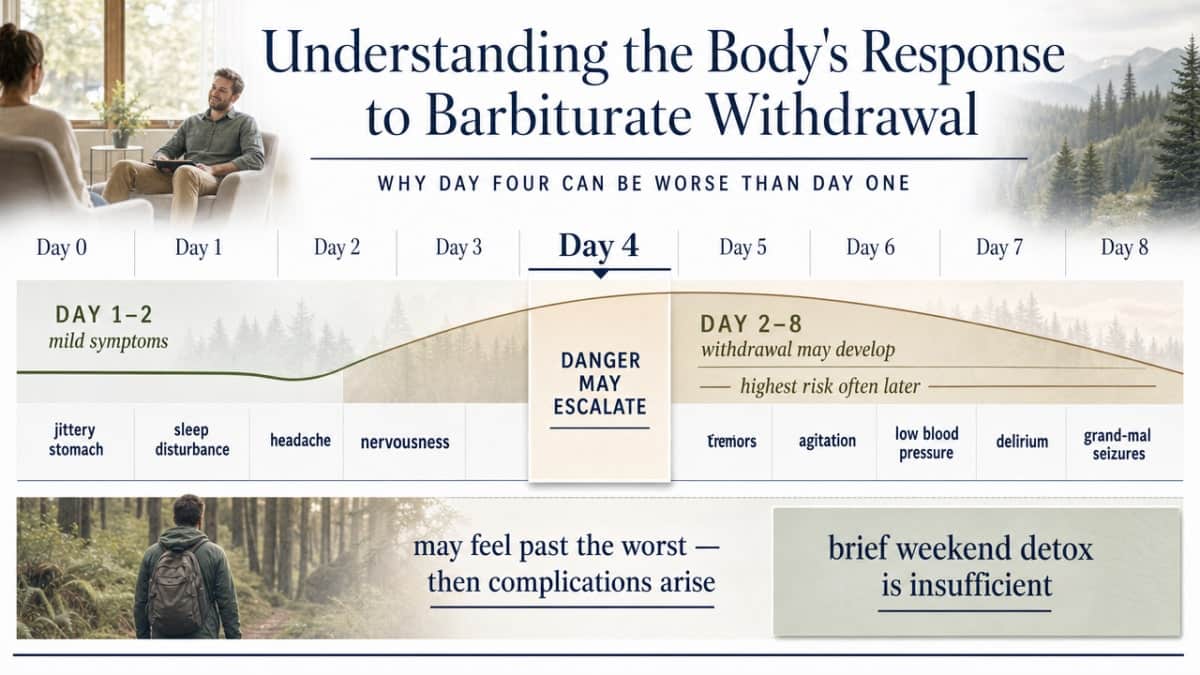
The Delayed Danger: Why Day Four Can Be Worse Than Day One
Many people underestimate the delayed nature of barbiturate withdrawal symptoms. While the first day or two might present with mild discomforts like a jittery stomach, sleep disturbances, or headaches, the most severe symptoms often appear later. Clinical guidelines specify that withdrawal symptoms can develop two to eight days after abrupt discontinuation, including nervousness, tremors, agitation, low blood pressure, delirium, and grand-mal seizures 2. This delay means that a person might feel they are past the worst of it, only for dangerous complications to arise unexpectedly. This timing issue is why a brief weekend detox is insufficient, as the highest risk period often begins just as someone might be sent home.
Identifying Barbiturates: Beyond the Obvious
Barbiturates aren’t always recognized by their class name. Phenobarbital is commonly known, often prescribed for seizures or sleep. However, butalbital is frequently found in prescription migraine or tension-headache medications, usually combined with acetaminophen and caffeine. Other barbiturates like secobarbital, pentobarbital, and amobarbital are less common but still in circulation. When seeking help, it’s crucial to disclose all medications, including old prescriptions, over-the-counter drugs, or anything obtained informally. This complete picture allows clinicians to create a safe and effective taper plan, as they are focused on your safety, not judgment.
The Reality of Medically Supervised Detox
Intake: The Initial Assessment
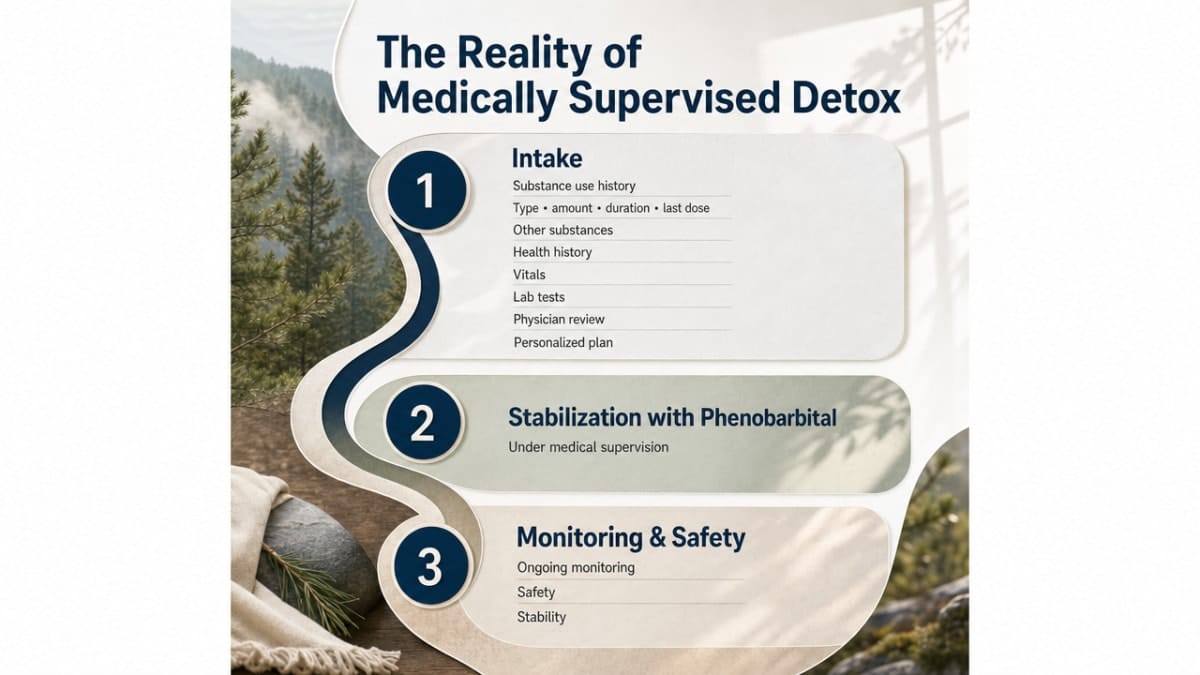
The intake process typically begins with a thorough conversation about your substance use history, including the type, amount, duration, and last dose of barbiturates, as well as any other substances like alcohol, benzodiazepines, or opioids. This comprehensive assessment is vital because polysubstance use significantly impacts the detox plan. Medical staff will also inquire about your health history, including any seizures, head injuries, pregnancies, or heart conditions. A nurse will take your blood pressure, pulse, temperature, and oxygen levels, and conduct lab tests. A physician then reviews this information to create a personalized medication and monitoring plan. This detailed approach ensures your safety and stability throughout the withdrawal process.
Stabilization with Phenobarbital
Phenobarbital, a long-acting barbiturate, is often the medication of choice for withdrawal management due to its steadying effect on the nervous system. Federal clinical guidance supports its use under physician supervision, with vital signs checked frequently 1. The goal is to provide a controlled dose of a similar medication and gradually reduce it, allowing the body to adjust safely. While much of the research on phenobarbital has been in alcohol withdrawal, it is a well-established tool for barbiturate detox. It’s important to note that your specific dose and taper schedule should be tailored to your individual needs, rather than a generic protocol. A responsible detox program will also have clear protocols for hospital transfer if symptoms escalate beyond their capacity, ensuring continuous safety.
A Home-Like Setting for Recovery
Medically supervised detox often takes place in a comfortable, home-like environment rather than a clinical ward. This setting aims to reduce stress and promote healing. Days typically involve routine vital sign checks, scheduled medication doses, and nutritious meals. Group sessions offer a chance to connect with others, while individual counseling provides personalized support. The staff-to-patient ratio is often higher than in a hospital, allowing for more individualized attention. Many staff members have personal experience with recovery, fostering an empathetic and understanding atmosphere. This supportive environment helps individuals navigate the physical and emotional challenges of withdrawal.
The Polysubstance Reality in Portland
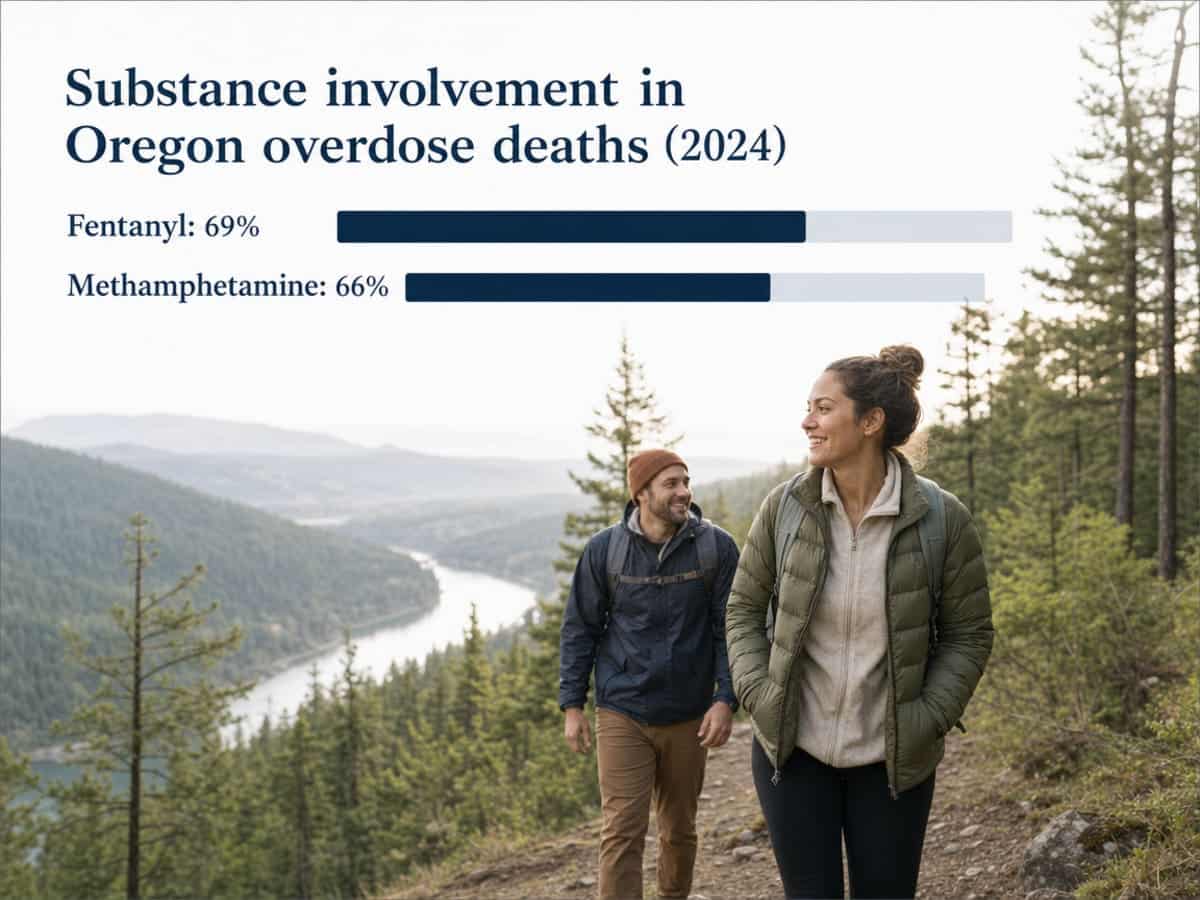
In Portland, as in many places, polysubstance use is a significant factor in addiction treatment. A good intake nurse will thoroughly explore all substances in your system, not to judge, but to create a safe and effective detox plan. The Oregon Health Authority’s 2024 report highlights this reality, noting fentanyl involvement in 69% of overdose deaths and methamphetamine in 66% statewide 6. These figures often overlap, indicating that many individuals use multiple substances simultaneously. For barbiturate detox, this means that co-occurring alcohol, benzodiazepine, or opioid use will necessitate a modified taper plan. Mixing sedatives, for example, can dangerously depress blood pressure and breathing. Providing a complete and honest account of all substance use is crucial for your safety, as it allows the medical team to tailor a plan that addresses all potential risks.
How to Vet a Portland Detox Program Before You Commit
When choosing a detox program, it’s important to ask detailed questions. First, verify their licensing. In Oregon, residential substance-use programs, including detox facilities, are regulated by the state and must adhere to specific administrative rules 7. Ask for their Oregon Health Authority license and the specific level of care they provide, such as clinically managed residential or medically monitored inpatient 8. Vague answers should be a red flag.
Inquire about the clinical staff: who the physician is, their availability, and how often vital signs are checked. For barbiturate withdrawal, frequent monitoring of blood pressure, pulse, and mental status is essential. Also, ask about their protocol for hospital transfers. A reputable program will clearly explain the signs that would necessitate a transfer to a hospital and which hospital they partner with. Federal guidance supports transferring patients with severe symptoms or monitoring needs beyond a program’s capacity to hospital-level care 1. Additionally, consider if the program is aligning with The ASAM Criteria, Fourth Edition, which Oregon certification will adopt by July 1, 2027 9. This indicates a forward-thinking approach to long-term care.
Paying for Detox in Oregon
Financial concerns often delay seeking help, but detox services are frequently covered. If you have commercial insurance, medically supervised detox is typically a covered benefit. You should contact your insurance provider to understand your deductible, coinsurance, and whether a specific program is in-network. Many detox programs can also assist with these checks. For those with Oregon Health Plan coverage, the state covers substance-use services, including detox, medication-assisted treatment, counseling, and residential treatment, without requiring a primary-care referral 10. Oregon’s integrated coverage includes medically monitored withdrawal management 11. However, not all private detox facilities accept OHP, so it’s crucial to confirm this directly with the program. Cost should not be a barrier to seeking help; if one program isn’t a fit, ask for referrals to others that might be.
Beyond Detox: The Path to Lasting Recovery
Completing detox is a significant achievement, stabilizing your body and nervous system. However, detox alone is not the end of the journey. It addresses the physical dependence but doesn’t resolve the underlying reasons for substance use, such as chronic pain, insomnia, anxiety, or unprocessed trauma. Without addressing these root causes, the risk of relapse remains high. Therefore, a comprehensive recovery plan extends beyond the initial detox phase.
A good detox program will facilitate a “warm handoff” to continuing care. In Oregon, options include partial hospitalization, intensive outpatient programs, standard outpatient counseling, medication support, and group therapy 11. The Oregon Health Plan also integrates these services, ensuring a continuum of care from detox to long-term support 10. Before leaving detox, it’s essential to have a clear plan for your next steps, including scheduled appointments and contact information for ongoing support. This proactive approach significantly improves the chances of sustained recovery.
Guidance for Family Members
If you are a family member supporting someone through barbiturate dependence, you are likely experiencing significant stress. It’s crucial to understand that abruptly stopping barbiturates can be extremely dangerous, potentially leading to seizures days later 2. The safest course of action is to seek help from a medically supervised program rather than attempting to manage withdrawal at home. You are not equipped to handle the medical complexities, such as monitoring vital signs or managing seizures, that can arise during withdrawal. Allowing trained professionals to manage this process is not a sign of giving up, but rather a responsible way to share the burden and ensure safety.
When accompanying your loved one to intake, provide a complete and honest list of all substances used, including prescriptions, informal medications, and alcohol. This transparency is vital for the medical team to create an accurate and safe detox plan. Your honesty helps build a foundation for their recovery. After detox, your continued support in ensuring they attend follow-up appointments is invaluable for their long-term success.
Taking the First Step: A Direct Word Before You Call
If you’ve read this far, you likely recognize the need for help. Trust that instinct. You don’t need to have all the answers, know your insurance details, or have a perfectly coherent story. The most important step is to reach out and express that you need help getting off these pills and are afraid to do it alone. This is a common sentiment, and professionals are accustomed to hearing it without judgment. Shame can be a powerful barrier, but making that initial call is a brave act. A team member can guide you through what the next steps might look like, offering support without pressure. A single phone call is not a binding commitment; it’s simply a step towards a healthier future.
Check Your Coverage for Safe Barbiturates Detox
Find out if your insurance covers medical detox care in Portland today.
Frequently Asked Questions
Can I just taper off barbiturates at home if I go slow enough?
Please don’t try it alone. Barbiturate withdrawal can cause severe symptoms including grand-mal seizures and delirium, and those symptoms can show up two to eight days after your last dose 2. Even a careful home taper can go sideways in the middle of the night, and you cannot monitor your own blood pressure or catch your own seizure. A supervised program keeps eyes on you during the window that matters.
How long does barbiturate detox actually take?
Most residential medical detox stays run about five to ten days, depending on how long you’ve been using, your dose, your health, and whether other substances are in the picture. The first few days focus on stabilization with a long-acting medicine. Because symptoms can emerge up to eight days after your last dose 2, a responsible program won’t rush you out the door at 48 hours. Your taper sets the clock.
What medication will I be given during detox?
Most programs use phenobarbital, a long-acting medicine in the same family as what you’ve been taking. Federal clinical guidance identifies it as the drug of choice for barbiturate withdrawal, given with physician oversight and vital signs checked at least every eight hours early on 1. Your dose and taper schedule should be built around your body, your history, and what else you’ve been using, not pulled from a one-size chart.
What if I’m also using alcohol, benzos, or fentanyl?
Tell the intake team everything. Mixing sedatives changes the taper plan, and polysubstance use is the Oregon norm—the state’s annual report noted fentanyl involvement in 69% of 2024 overdose deaths and methamphetamine in 66%, with overlap because many deaths involved more than one substance 6. A good detox screens hard on purpose. Hiding a drink or a leftover pill from your nurse is the one thing that can genuinely hurt you.
Will insurance cover detox in Oregon?
Usually, yes. Commercial plans typically cover medically supervised detox, though your deductible and in-network status vary—call the number on your card to confirm. Oregon Health Plan covers detoxification, medication-assisted treatment, counseling, and 24-hour residential addiction treatment without requiring a primary-care referral 10, and the state’s integrated system includes medically monitored withdrawal management 11. Not every private facility accepts OHP, so ask the program directly before you drive over.
What happens after the first week of detox is over?
Detox resets your body; it doesn’t rewire the reasons you were taking the pills. The next step is usually a step-down—partial hospitalization during the day, intensive outpatient a few evenings a week, standard counseling, medication support, and groups that keep running after you go home 11. Before you leave, ask your team for a scheduled appointment with a name and a time. A warm handoff beats a stack of brochures.
References
- Medically Supervised Withdrawal for Inmates with Substance Use Disorders. https://www.bop.gov/resources/pdfs/medically_supervised_withdrawal_cg.pdf
- Barbiturates. https://www.ncbi.nlm.nih.gov/books/NBK539731/
- Phenobarbital and Alcohol Withdrawal Syndrome. https://pmc.ncbi.nlm.nih.gov/articles/PMC9922035/
- Patient Outcomes Associated With Phenobarbital Use With or Without Benzodiazepines for Alcohol Withdrawal Syndrome: A Systematic Review. https://pmc.ncbi.nlm.nih.gov/articles/PMC5735736/
- Provisional Drug Overdose Death Counts. https://www.cdc.gov/nchs/nvss/vsrr/drug-overdose-data.htm
- ANNUAL REPORT. https://www.oregon.gov/oha/PH/PREVENTIONWELLNESS/SUBSTANCEUSE/OPIOIDS/SiteAssets/Lists/FentanylFactsAccord/AllItems/Annual%20Report%20Oregon%20Substance%20Use%20and%20Overdose%20Prevention%20Coordination%20in%20Funded%20Regions%20September%202024%20-%20August%202025.pdf
- Residential Treatment Facilities. https://www.oregon.gov/oha/hsd/amh-lc/pages/rt.aspx
- Licensing and Certification. https://www.oregon.gov/oha/bh/providers/pages/licensing-certification.aspx
- ASAM Levels of Care for Licensing and Certification: Providers. https://www.oregon.gov/oha/BH/Providers/Pages/ASAM.aspx
- Oregon Health Plan (OHP) Behavioral Health Coverage. https://www.oregon.gov/oha/hsd/ohp/pages/behavioral-health.aspx
- Substance Use Disorder Integration Report. https://www.oregon.gov/oha/HSD/AMH/DataReports/SUD-Integration-Report.pdf